Coal coke particle pneumatic conveying systems are essential in industrial processes for the efficient transportation of coal coke particles. This article provides an overview of the equipment involved and explains the structural principles underlying their operation. The system is designed to handle coal coke particles with precision, ensuring reliable and continuous material transport in various industrial applications.
Company Introduction
HeadPowder, a leading engineering company based in Shandong, China, specializes in the design, manufacturing, and supply of advanced pneumatic conveying systems. With a strong focus on innovation and quality, HeadPowder has established itself as a trusted partner in the industry, delivering customized solutions tailored to the specific needs of clients. The company's headquarters is located in Shandong, China, where it operates a state-of-the-art facility for research, development, and production.
Equipment Overview of Coal Coke Particle Pneumatic Conveying Systems
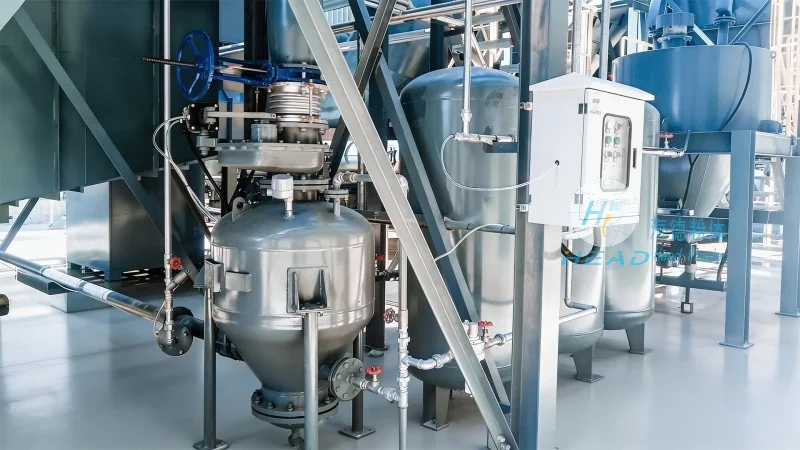
The coal coke particle pneumatic conveying system typically consists of several key components that work in tandem to achieve efficient material transport. These components include the hopper, feeder, air compressor, conveying line, and receiver. The hopper is used to store and feed the coal coke particles into the system, while the feeder regulates the flow rate to maintain consistent operation. The air compressor generates the necessary air pressure to move the particles through the conveying line. The conveying line, often made of metal or plastic, is designed to withstand the pressure and temperature conditions of the system. The receiver collects the conveyed particles at the destination point. Each component is carefully engineered to ensure optimal performance and durability, contributing to the overall efficiency of the system.
Structural Principles of the Pneumatic Conveying System
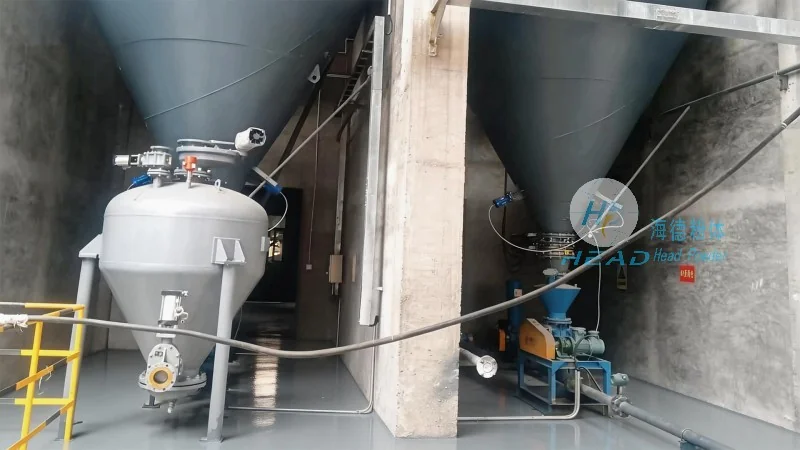
The structural principles of the coal coke particle pneumatic conveying system are based on the principles of fluid dynamics and particle transport. The system operates by creating a pressure differential between the hopper and the receiver, which drives the movement of the particles. The air compressor supplies compressed air that is mixed with the coal coke particles, forming a slurry or suspension that is then propelled through the conveying line. The velocity and pressure of the air are critical factors in determining the efficiency of the conveying process. The design of the conveying line, including its diameter and length, is optimized to minimize pressure drop and energy consumption. Additionally, the system incorporates features such as pulse jets or rotary valves to control the flow and prevent blockages, ensuring smooth and continuous operation. The structural integrity of each component is also a key consideration, as it must withstand the mechanical stresses and thermal conditions encountered during operation.
Key Features and Advantages
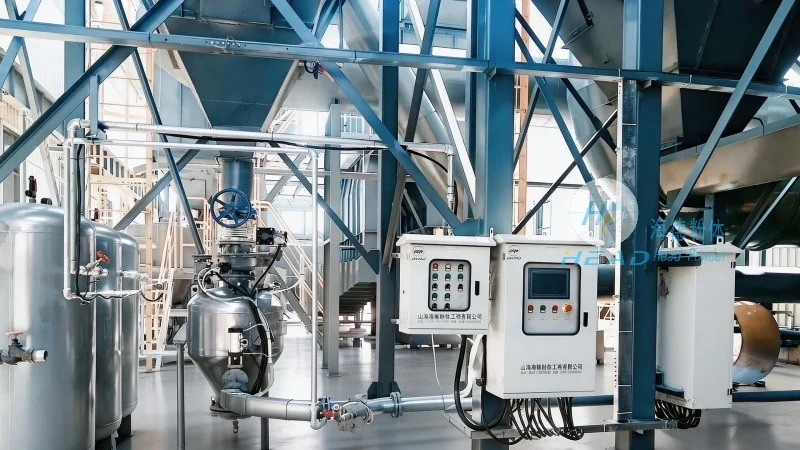
The coal coke particle pneumatic conveying system offers several advantages over traditional methods of material transport. One of the primary benefits is the ability to transport materials over long distances without the need for intermediate storage or handling. The system is also highly flexible, allowing for changes in the route or destination of the material as needed. Additionally, the system is compact and can be installed in confined spaces, making it suitable for various industrial settings. The use of compressed air ensures that the particles are transported in a clean and hygienic manner, which is particularly important for applications where contamination is a concern. The system also reduces labor costs and improves safety by eliminating the need for manual handling of heavy or hazardous materials.
Applications and Industries
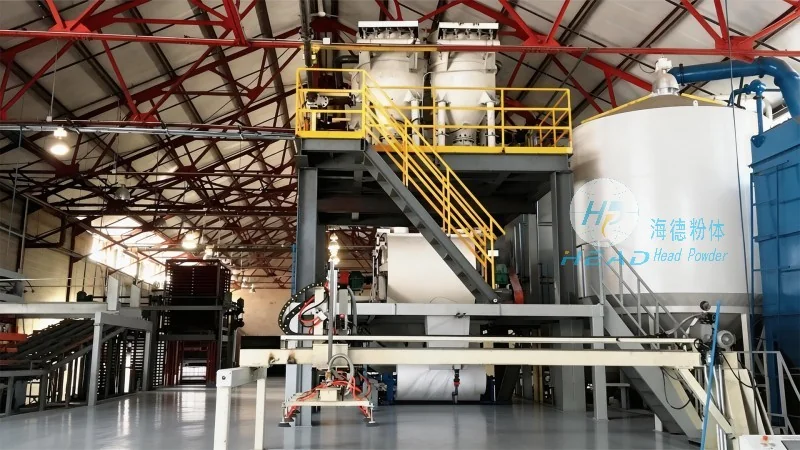
Coal coke particle pneumatic conveying systems are widely used in various industries, including steel production, chemical processing, and power generation. In steel production, the system is used to transport coal coke from storage facilities to the blast furnace, where it is used as a fuel and reducing agent. In chemical processing, the system is used to transport coal coke to reactors or other processing equipment. In power generation, the system is used to transport coal coke to boilers for combustion. The system is also used in other industries, such as cement production and food processing, where coal coke is used as a raw material or fuel.
Conclusion
Coal coke particle pneumatic conveying systems are a critical component of modern industrial operations, providing efficient and reliable transportation of coal coke particles. The system's design and structural principles are carefully engineered to ensure optimal performance and durability. HeadPowder, with its expertise and experience in the field, offers high-quality equipment and solutions that meet the specific needs of clients. By understanding the equipment and structural principles of the system, users can make informed decisions about the implementation and maintenance of the system, ensuring its long-term success and efficiency.




