HeadPowder, a leading provider in the field of industrial material handling solutions, specializes in the design, manufacturing, and supply of advanced pneumatic conveying systems tailored for powder carbon additives. This article provides an overview of the equipment involved in such systems, along with a detailed explanation of their structural principles and operational mechanisms.
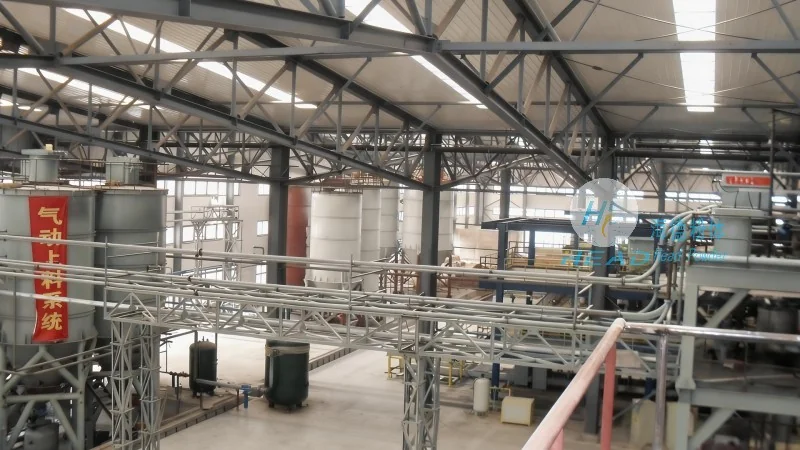
Company Profile: Shandong HeadPowder Engineering Co., Ltd.
HeadPowder, operating under the full name Shandong HeadPowder Engineering Co., Ltd., is headquartered in Shandong, China. The company has established itself as a trusted partner in the industrial sector, delivering high-quality equipment and technical expertise for efficient material transport solutions. With a focus on innovation and customer satisfaction, HeadPowder ensures that its products meet the stringent requirements of modern industrial applications.
Overview of Powder Carbon Additive Pneumatic Conveying Systems
Powder carbon additive pneumatic conveying systems are sophisticated industrial setups designed to transport carbon additive powders from storage silos or processing units to various destinations, such as reactors, furnaces, or packaging areas. These systems utilize compressed air or other gas streams to move the powder material through a network of pipes and components, eliminating the need for mechanical conveyors and reducing the risk of contamination or material degradation.
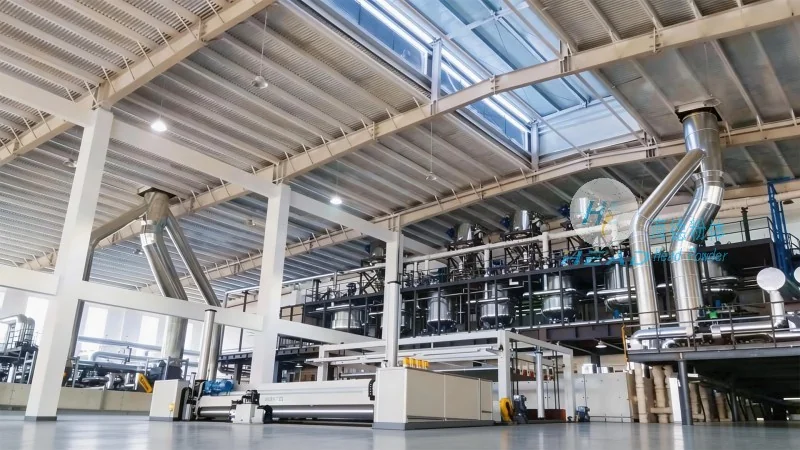
Key Components of the Pneumatic Conveying System
The core components of a powder carbon additive pneumatic conveying system typically include a hopper or storage silo, a feeder mechanism, a conveying line (composed of pipes and fittings), a pressure vessel or receiver, and a control system. Each component plays a critical role in ensuring the smooth and efficient operation of the entire system.
Structural Principles and Operational Mechanisms
1. Hopper and Feeder: The system begins with a hopper or storage silo that holds the carbon additive powder. The feeder, often a rotary valve or a metering device, regulates the flow of powder into the conveying line. This component ensures a consistent and controlled feed rate, preventing overloading or underfeeding that could disrupt the conveying process.
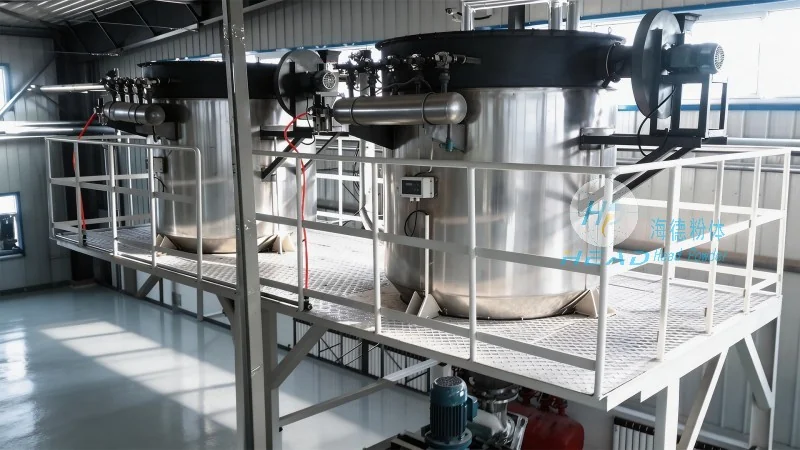
2. Conveying Line: The conveying line consists of a series of pipes connected by fittings, elbows, and tees. The line is designed to handle the pressure and flow requirements of the system. The material is transported by the force of the gas stream, which is typically generated by a blower or compressor. The velocity of the gas is crucial; it must be sufficient to keep the powder particles suspended and prevent clogging or deposition.
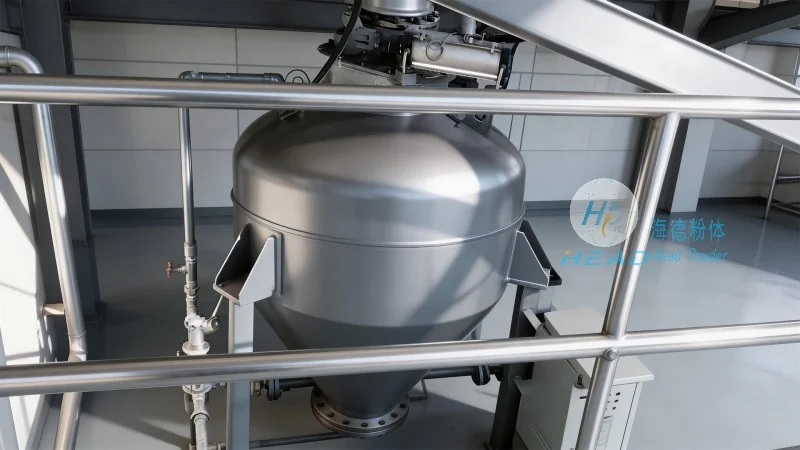
3. Pressure Vessel or Receiver: At the receiving end of the system, a pressure vessel or receiver is used to collect the conveyed powder. This component is equipped with a discharge valve or outlet, allowing the powder to be discharged into the next processing stage or storage area. The receiver may also include a dust collection system to capture any fine particles that escape during the conveying process.
4. Control System: The control system manages the operation of the entire pneumatic conveying system. It monitors parameters such as pressure, flow rate, and powder level, and adjusts the operation of the feeder and blower as needed. This ensures optimal performance and prevents operational issues, such as overpressure or underflow.
Advantages of Pneumatic Conveying for Carbon Additive Powders
Pneumatic conveying systems offer several advantages when handling carbon additive powders. These include reduced material degradation due to minimal contact with equipment, improved safety by eliminating the need for manual handling, and enhanced efficiency through automated operation. Additionally, the system can handle a wide range of powder characteristics, including different particle sizes, densities, and moisture contents, making it versatile for various industrial applications.
Applications and Industries
Powder carbon additive pneumatic conveying systems are widely used in industries such as steelmaking, foundries, and chemical manufacturing. In steelmaking, carbon additives are used to adjust the carbon content of molten steel, and the conveying system ensures a consistent supply of these powders to the furnace. In foundries, the system transports carbon additives to the molding and casting processes, improving the quality and consistency of the final products.




