Shandong HeadPowder Engineering Co., Ltd., a leading manufacturer of industrial material handling equipment, presents the Pearl Salt Granule Pneumatic Conveying System. This specialized system is designed to efficiently transport pearl salt granules over long distances or within complex processing facilities, leveraging pneumatic principles to minimize material handling risks and optimize operational efficiency. As a key component in modern industrial applications, the system is engineered to meet the demands of industries such as food processing, chemical manufacturing, and pharmaceutical production, where the reliable and hygienic transportation of granular materials is critical.
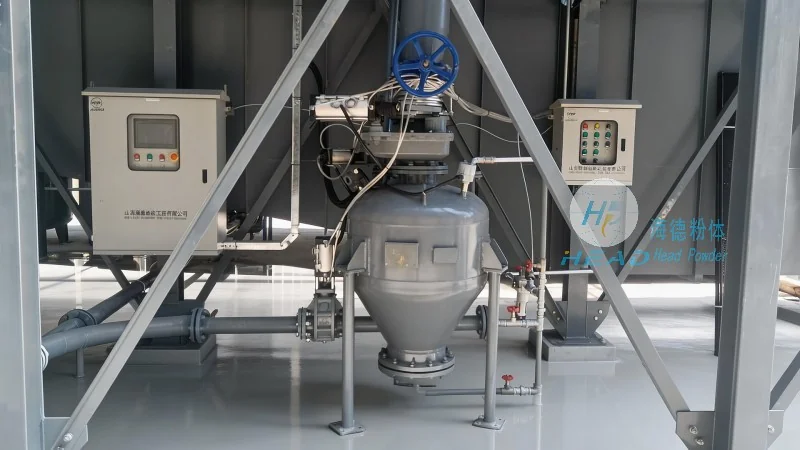
Key Components and Structural Design
The system's structure comprises several critical components that work in tandem to facilitate the pneumatic conveying of pearl salt. The primary elements include a hopper for material storage, a rotary valve or feeder to control the flow of granules, a main conveying pipe network, and a dust collector or filter system to maintain air quality and prevent contamination. The hopper is typically designed with a large capacity to accommodate bulk storage of pearl salt, while the feeder ensures a steady and controlled release of material into the conveying system. The conveying pipes are constructed from materials resistant to corrosion and wear, such as stainless steel or specialized polymers, to withstand the abrasive nature of granular salt. The dust collection system is integrated to capture any airborne particles, ensuring compliance with environmental regulations and maintaining a clean working environment.
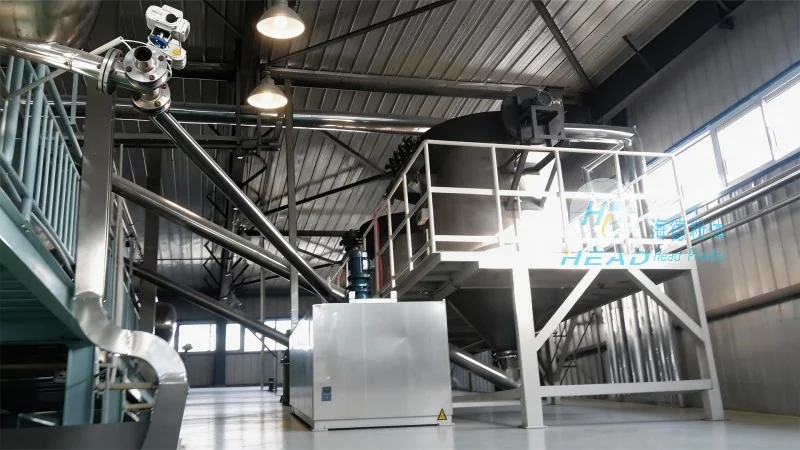
Working Principle of the Pneumatic Conveying Process
The operational principle of the Pearl Salt Granule Pneumatic Conveying System is based on the use of compressed air to transport the granular material. The process begins with the material being fed from the hopper into the conveying pipe through the rotary valve. As compressed air is introduced into the pipe, it creates a flow that lifts and propels the salt particles forward. The air velocity within the pipe is carefully controlled to ensure that the particles are suspended and transported without causing excessive wear or blockages. The system may employ different conveying modes, such as dilute phase or dense phase, depending on the specific requirements of the application. Dilute phase conveying uses higher air velocities to move material quickly over longer distances, while dense phase conveying uses lower air velocities and higher material concentrations to minimize pressure drops and prevent material degradation. The system is equipped with pressure sensors and flow meters to monitor and adjust the air and material flow rates in real-time, ensuring optimal performance and preventing system overload.
Advantages and Applications
The Pearl Salt Granule Pneumatic Conveying System offers several advantages over traditional material handling methods, making it an ideal choice for industries dealing with granular materials. One of the primary benefits is the reduction in material handling risks, as the system eliminates the need for manual handling or mechanical conveyors that may cause spills or contamination. Additionally, the system provides a hygienic and clean environment, which is crucial for food processing or pharmaceutical applications where product purity is paramount. The system also offers flexibility in terms of layout, as the conveying pipes can be installed in various configurations to accommodate complex facility designs. The system is widely used in the chemical, food, and pharmaceutical industries, where the transportation of pearl salt or similar granular materials is essential for production processes. For example, in food processing plants, the system can be used to transport salt from storage to production lines, ensuring a consistent supply of raw material. In the chemical industry, the system may be used to convey salt for processing into other chemical products, such as sodium bicarbonate or other salts.
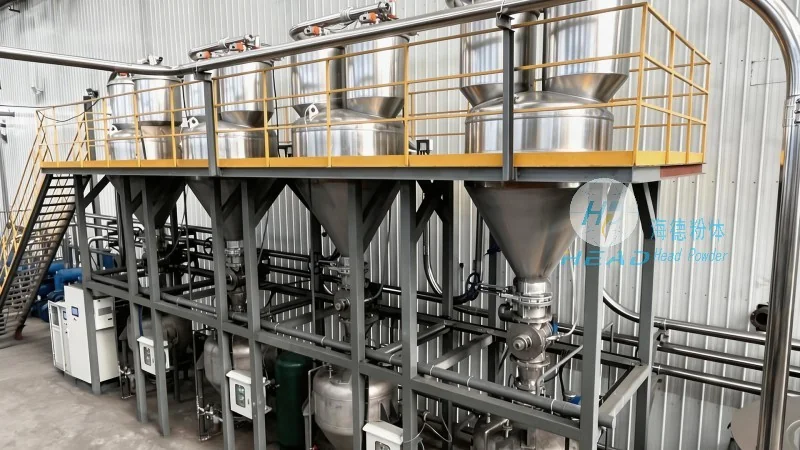
Installation and Maintenance Considerations
Proper installation and regular maintenance are essential to ensure the long-term performance and reliability of the Pearl Salt Granule Pneumatic Conveying System. During installation, the system must be positioned to allow for easy access to components for maintenance and repair. The conveying pipes should be properly supported to prevent sagging or stress on the system, which could lead to leaks or blockages. The hopper and feeder must be aligned correctly to ensure a smooth flow of material into the conveying pipe. Regular maintenance involves checking the condition of the rotary valve and feeder, as these components are critical to the system's operation. The dust collection system should be inspected regularly to ensure it is functioning properly and capturing all airborne particles. The air compressor and filters should also be maintained to ensure consistent air pressure and quality. By following proper installation and maintenance procedures, the system can provide reliable service for many years, minimizing downtime and operational costs.




