Understanding the mechanisms and structural design of nitrogen-protected powder handling systems is crucial for industries that require maintaining an inert atmosphere during material transport. These systems are engineered to prevent oxidation, moisture absorption, and contamination of sensitive powders, which is essential in sectors such as pharmaceuticals, food processing, and specialty chemicals. The core principle revolves around the use of nitrogen gas to create a protective barrier around the powder, ensuring that it remains stable and free from external environmental factors.
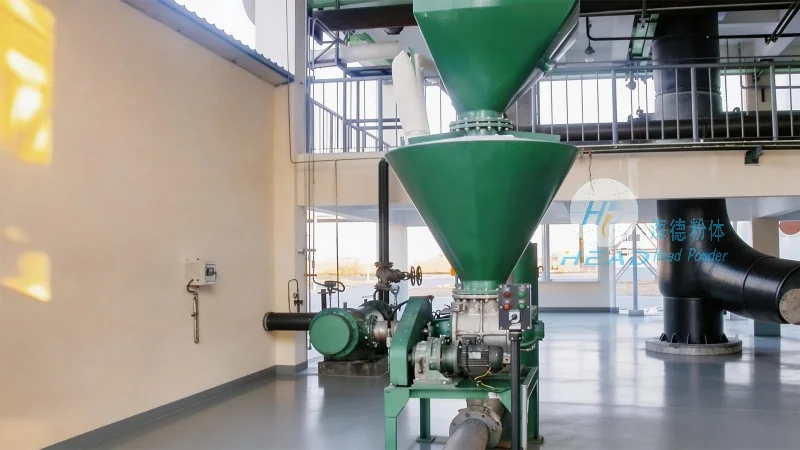
Structural Components and Working Principles
The design of nitrogen-protected powder conveying systems involves several key components that work in tandem to achieve an effective inert environment. A typical system includes a hopper or storage vessel where the powder is initially held, equipped with a nitrogen inlet to maintain a positive pressure inside the vessel. The nitrogen gas is continuously supplied to prevent the ingress of air, which could otherwise lead to oxidation or moisture uptake. The conveying mechanism, often a pneumatic or mechanical system, transports the powder from the storage vessel to the processing equipment, all while the nitrogen flow is maintained to keep the powder stream isolated from atmospheric air.
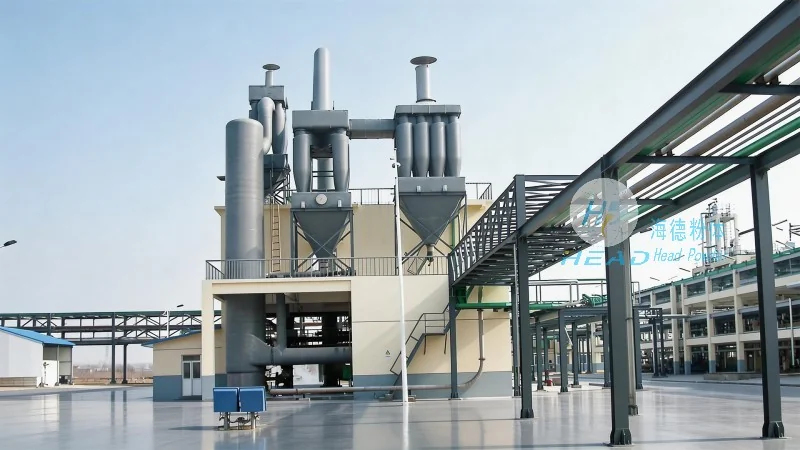
Key Features and Benefits
One of the primary advantages of nitrogen-protected powder handling is the preservation of material quality. By eliminating exposure to oxygen and moisture, the system ensures that the powder retains its original properties, which is critical for applications where product purity is non-negotiable. Additionally, these systems enhance operational safety by reducing the risk of dust explosions, as the inert gas environment minimizes the presence of combustible dust-air mixtures. The structural design also focuses on efficiency, with features like automatic pressure control and leak detection to maintain optimal performance and prevent system failures.
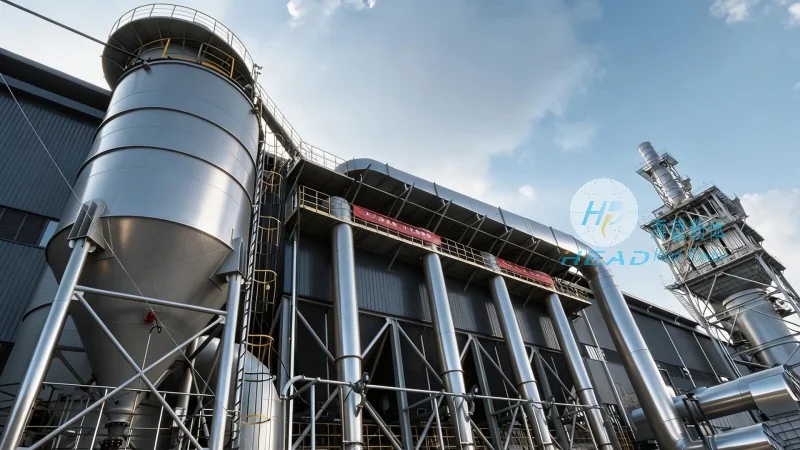
Application Examples and Industry Relevance
Industries that heavily rely on nitrogen-protected powder handling include pharmaceutical manufacturing, where the integrity of active pharmaceutical ingredients (APIs) is paramount, and food processing, where maintaining the freshness and nutritional value of powders is essential. In specialty chemical production, these systems are used to handle sensitive materials like catalysts or pigments, where contamination could alter the final product's properties. The versatility of nitrogen-protected conveying systems makes them suitable for a wide range of applications, from small-scale laboratory operations to large-scale industrial production lines.
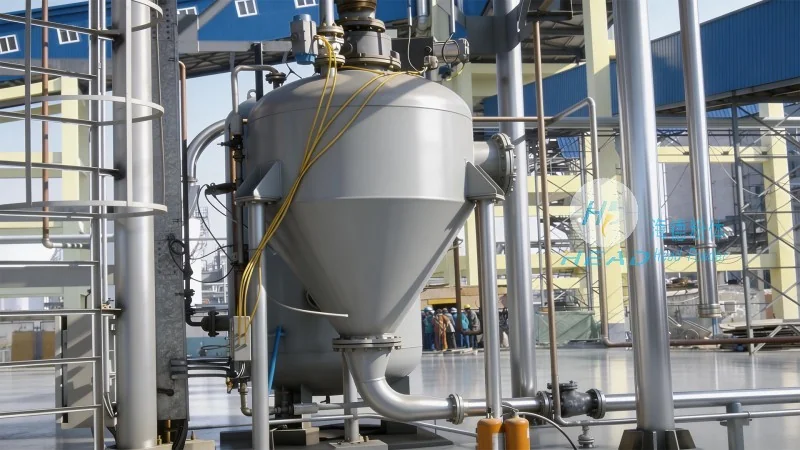
Company Profile: Shandong HeadPowder Engineering Co., Ltd.
HeadPowder, a leading provider of powder handling solutions, specializes in designing and manufacturing nitrogen-protected systems tailored to the unique needs of various industries. With a focus on innovation and quality, the company has established itself as a trusted partner for businesses seeking reliable and efficient powder transport solutions. HeadPowder's products are engineered to meet stringent industry standards, ensuring durability, safety, and performance. The company's headquarters is located in Shandong, China, where it leverages local expertise and resources to deliver cutting-edge solutions to global markets.




