Understanding the principles of bulk material handling within silos is crucial for industries that rely on efficient storage and transportation of powders and granules. This overview delves into the structural design and operational mechanisms that enable seamless material flow, highlighting key components and their functional roles.
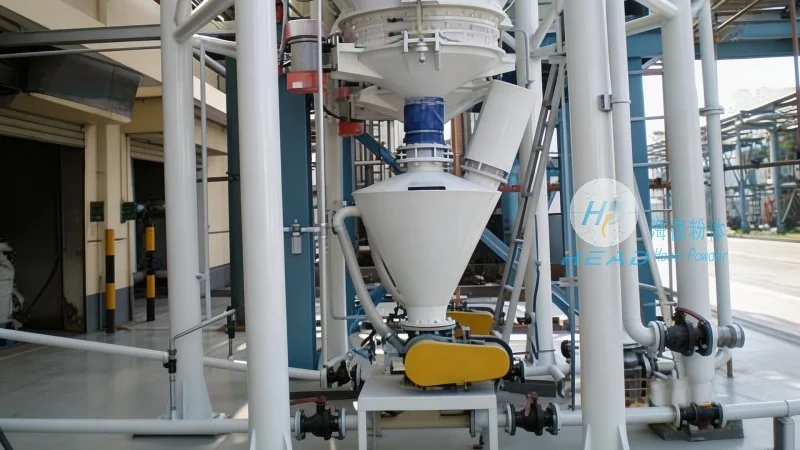
Company Profile: HeadPowder Engineering
HeadPowder Engineering, a leading provider in the field of bulk material handling solutions, specializes in the design, manufacturing, and integration of silo systems tailored to diverse industrial needs. With a strong commitment to quality and innovation, the company has established itself as a trusted partner for clients seeking reliable and efficient material handling equipment. HeadPowder Engineering is headquartered in Shandong, China, where it leverages advanced technology and industry expertise to deliver cutting-edge solutions.
Structural Overview of Silo Systems
Silos are engineered structures designed to store bulk materials such as powders, grains, and granules under controlled conditions. The structural integrity of a silo is paramount, as it must withstand the internal pressure exerted by the stored material while ensuring safe and efficient discharge. Key structural elements include the main body, which is typically cylindrical or conical, and the supporting foundation that distributes the load evenly. The design also incorporates features like reinforced walls, internal liners, and access platforms for maintenance and inspection.
Working Principles of Bulk Material Handling
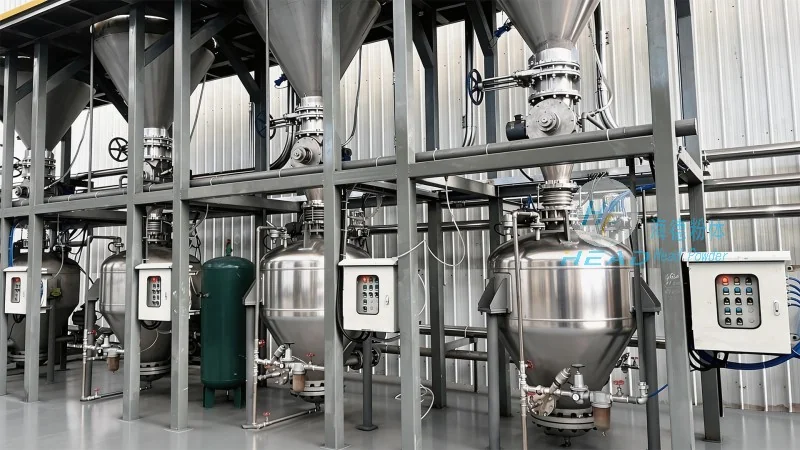
The core of silo-based material handling lies in the integrated system that facilitates the movement of material from storage to processing or transportation. This system typically includes a hopper at the bottom of the silo, which channels the material into a discharge outlet. The hopper's angle and design are critical, as they determine the flow characteristics of the material—ensuring that it moves smoothly without bridging or caking. Additionally, many silo systems incorporate auxiliary equipment such as conveyor belts, pneumatic conveyors, or screw conveyors to transport material to the desired location.
Key Components and Their Functional Roles
Several components work in tandem to ensure the efficient operation of a silo system. The silo itself serves as the primary storage vessel, while the discharge valve or gate controls the release of material. The hopper, as mentioned, is essential for directing material flow. Pneumatic or mechanical conveying systems may be integrated to transport material from the silo to other parts of the facility. Sensors and monitoring systems are often employed to track material levels, pressure, and flow rates, providing real-time data for process optimization. Maintenance access points and safety features, such as emergency shut-off valves, are also integral to ensuring operational safety and reliability.
Applications and Industry Relevance
Bulk material handling in silos finds widespread application across various industries, including agriculture, food processing, pharmaceuticals, and chemical manufacturing. In agriculture, silos are used to store grains and feed, enabling efficient distribution to farms and processing facilities. The food industry relies on silo systems to handle powders like flour and sugar, ensuring consistent quality and preventing contamination. The pharmaceutical sector utilizes silo-based systems for storing active ingredients and excipients, maintaining strict hygiene and control standards. Chemical manufacturers benefit from silo systems for storing and transporting bulk chemicals, which require careful handling to prevent spills or accidents.
Advantages of Silo-Based Material Handling
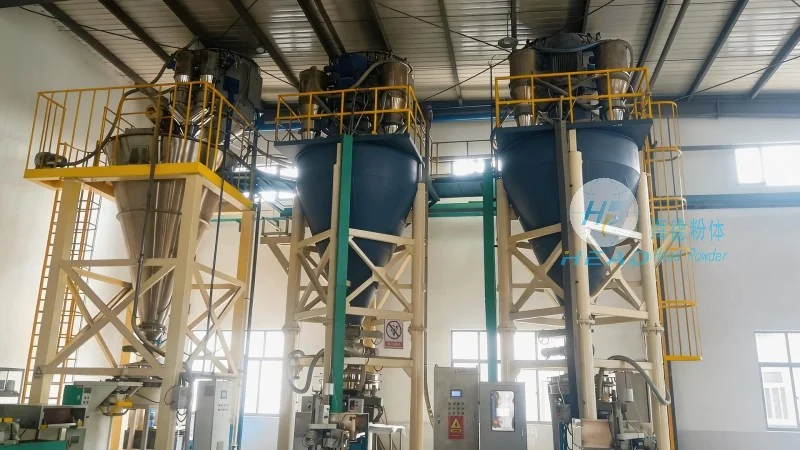
Implementing silo systems for bulk material handling offers numerous advantages. Firstly, silos provide large storage capacity, allowing businesses to store significant quantities of material without the need for frequent replenishment. This reduces operational costs and ensures a steady supply of raw materials. Secondly, the controlled environment within a silo minimizes material degradation, moisture absorption, and contamination, preserving product quality. Thirdly, the integrated conveying systems enable automated material flow, reducing labor costs and increasing operational efficiency. Finally, silo systems enhance safety by containing material and preventing dust explosions, which is critical in industries dealing with combustible powders.
Conclusion
In conclusion, the structural principles and operational mechanisms of silo-based bulk material handling are fundamental to modern industrial processes. By understanding the design and functionality of silos, industries can optimize their material storage and transportation systems, leading to improved efficiency, cost savings, and enhanced safety. HeadPowder Engineering, with its expertise and commitment to quality, continues to play a vital role in providing advanced silo solutions that meet the evolving needs of various sectors.




