When designing a pneumatic conveying system for pelletized materials, several critical factors must be considered to ensure efficient operation, reliability, and cost-effectiveness. The system's performance is directly influenced by the material's properties, such as particle size, density, and flow characteristics, as well as the operational environment and intended application. This article outlines key design considerations for pelletized material pneumatic conveying systems, focusing on the technical aspects that impact system performance and longevity.
Material Characterization and System Selection
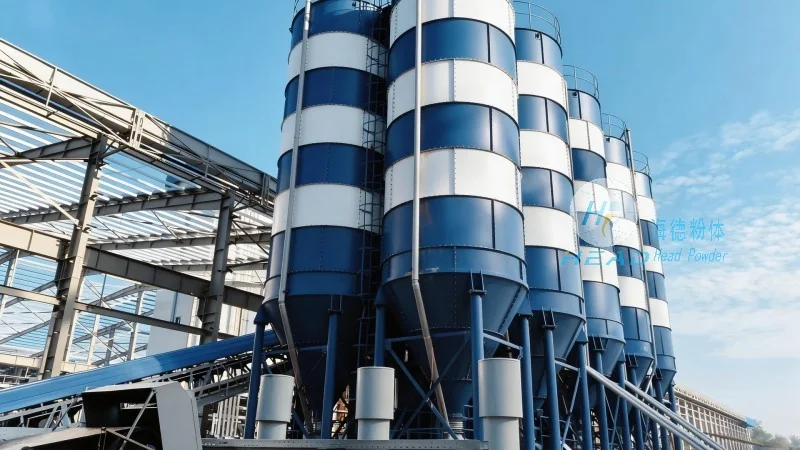
Before proceeding with system design, a thorough analysis of the pelletized material is essential. Key material properties include particle size distribution, bulk density, moisture content, and abrasiveness. These characteristics determine the most suitable conveying method—such as dilute phase or dense phase transport—and the required system components. For example, fine or cohesive pellets may require additional air assistance or specialized hopper designs to prevent blockages. The selection of a pneumatic conveying system (e.g., positive pressure, negative pressure, or hybrid) is directly linked to the material's flowability and the distance it needs to be transported.
System Layout and Component Integration
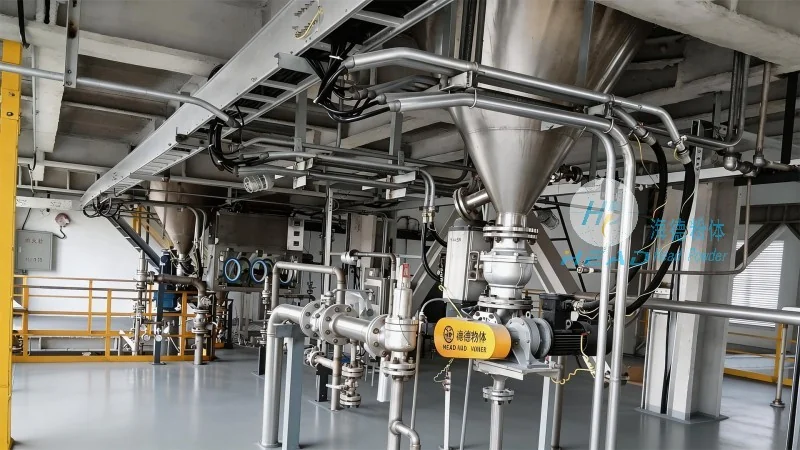
The layout of a pneumatic conveying system involves integrating key components like hoppers, feeders, air compressors, pipelines, and receivers. Each component plays a vital role in the overall system efficiency. Hoppers must be designed to minimize material bridging and ensure consistent material flow to the feeder. Feeders, such as rotary valves or screw feeders, regulate the material feed rate and maintain system pressure stability. Air compressors provide the necessary air pressure, with options ranging from rotary lobe to screw compressors depending on the system's capacity and pressure requirements. Pipelines must be sized appropriately to minimize pressure drop and ensure smooth material transport. Receivers at the end of the system are designed to collect the conveyed material and prevent air leakage.
Pressure Drop and Energy Efficiency Considerations
Pressure drop is a critical factor in pneumatic conveying system design, as it directly impacts energy consumption and system performance. The pressure drop across the system components—including hoppers, feeders, pipelines, and elbows—must be calculated to ensure the air compressor can maintain the required pressure. Efficient system design minimizes unnecessary pressure losses by optimizing pipe diameter, reducing bends, and using smooth, corrosion-resistant materials. Energy efficiency is further enhanced by selecting high-efficiency air compressors and implementing variable speed drives for feeders, which adjust the feed rate based on demand. This approach reduces energy waste and lowers operational costs over the system's lifecycle.
Material Handling and Equipment Durability
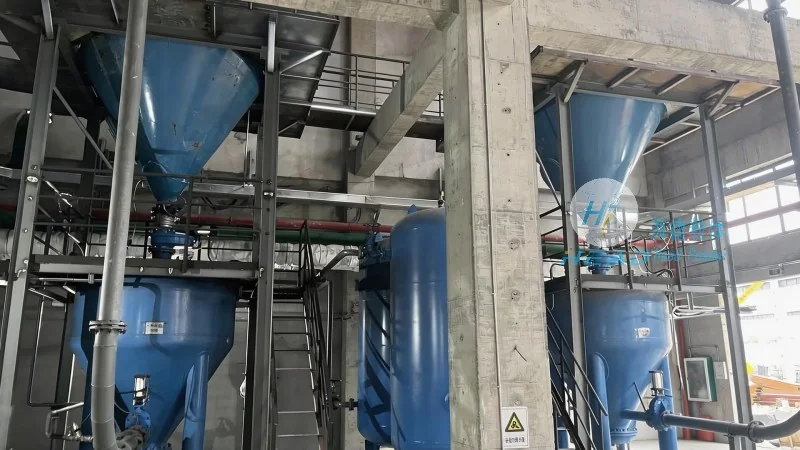
Pelletized materials often have abrasive or corrosive properties that can impact equipment durability. System components, especially pipelines and hoppers, must be constructed from materials resistant to wear and corrosion, such as stainless steel or high-grade alloys. The selection of wear-resistant linings or coatings for hoppers and pipelines extends the equipment's lifespan and reduces maintenance frequency. Additionally, proper maintenance, including regular cleaning and inspection of components, is essential to prevent material buildup and ensure consistent system performance. For abrasive materials, using wear-resistant materials like ceramic or polyurethane for hoppers and elbows can significantly reduce wear and extend the system's operational life.
System Control and Automation
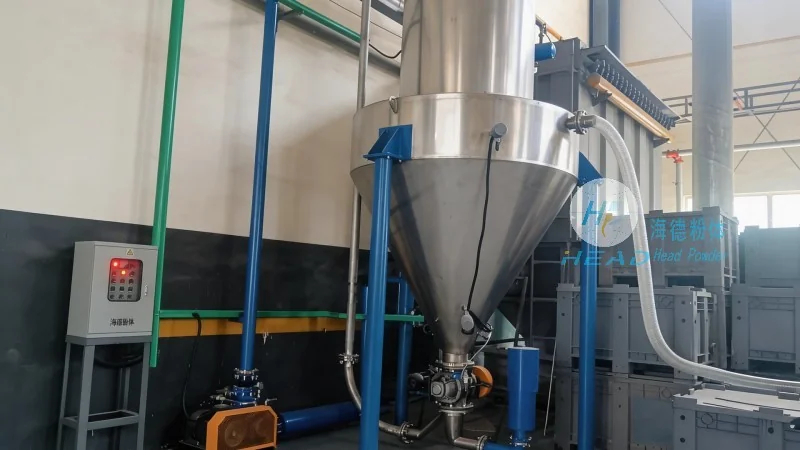
Modern pneumatic conveying systems often incorporate advanced control and automation features to enhance operational efficiency and reliability. Automated control systems monitor key parameters such as pressure, flow rate, and material level, adjusting system operations in real-time to maintain optimal performance. For example, a control system can automatically adjust the air compressor speed or feeder rotation rate based on changes in material feed or demand. This automation reduces the need for manual intervention and minimizes the risk of system malfunctions. Additionally, integration with enterprise resource planning (ERP) systems allows for better inventory management and process optimization, further improving the system's overall efficiency.
Installation and Commissioning Best Practices
The successful implementation of a pneumatic conveying system requires careful planning and execution. Proper installation involves ensuring all components are aligned correctly, pipelines are properly supported, and connections are secure to prevent air leaks. Commissioning involves testing the system under various operating conditions to verify performance and identify any issues before full-scale operation. This includes testing at different material feed rates, pressure levels, and system configurations to ensure the system meets design specifications. Proper training for operators and maintenance personnel is also crucial to ensure the system operates efficiently and safely over its lifespan.




