Efficient handling and transportation of rice husk are critical in various industrial applications, from biomass energy production to agricultural processing. The design of a pneumatic conveying system for rice husk requires careful consideration of material properties, operational efficiency, and system reliability. This document outlines key design considerations to ensure optimal performance and longevity of the system.
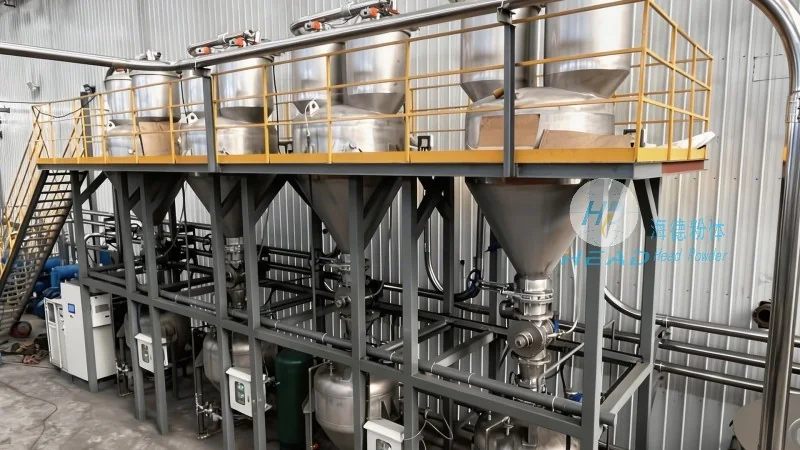
Material Characteristics and System Selection
The unique physical and chemical properties of rice husk significantly influence the choice of pneumatic conveying system. Rice husk is typically lightweight, with a high bulk density and abrasive nature, which can affect the selection of components such as hoppers, pipelines, and air movers. Understanding these characteristics is essential to prevent system wear, blockages, and energy inefficiencies. For instance, the abrasive quality of rice husk necessitates the use of high-quality, corrosion-resistant materials for pipeline and component construction to extend the system's operational life.
System Components and Design Principles
A pneumatic conveying system for rice husk typically consists of several key components, including a hopper for material storage, a rotary valve or feeder for controlled discharge, a pipeline network, and an air mover (blower or fan) to generate the conveying air. The design of each component must align with the material's properties and the desired conveying distance and capacity. For example, the hopper design should minimize material bridging and ensure smooth flow, while the feeder must provide consistent material feed to maintain system stability. The pipeline layout should be optimized to minimize pressure drops and reduce energy consumption, which is crucial for long-distance conveying of rice husk.
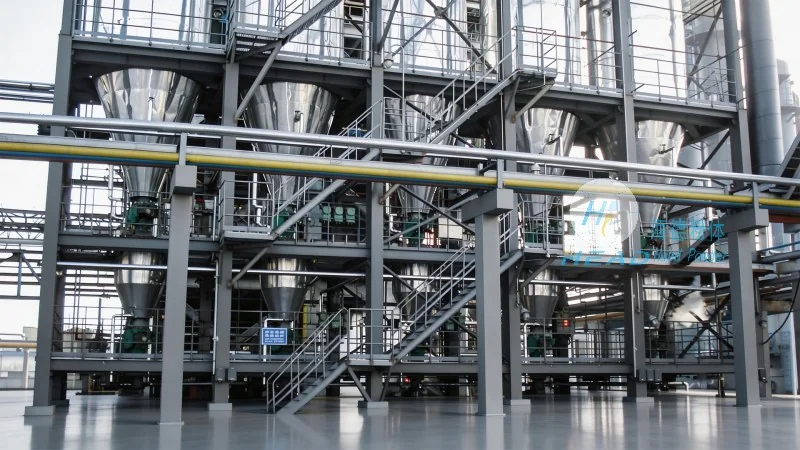
Air Mover Selection and Performance Optimization
The air mover is a critical component that determines the system's conveying capacity and efficiency. For rice husk, which is a low-density material, a high-volume, low-pressure blower is often preferred over a high-pressure fan. The selection of the air mover must consider factors such as the required airflow rate, pressure, and power consumption. Additionally, the air mover's design should incorporate features like wear-resistant impellers and efficient motor drives to handle the abrasive nature of rice husk and ensure sustained performance. Performance optimization involves regular maintenance and monitoring of air mover parameters to prevent performance degradation and maintain optimal conveying efficiency.
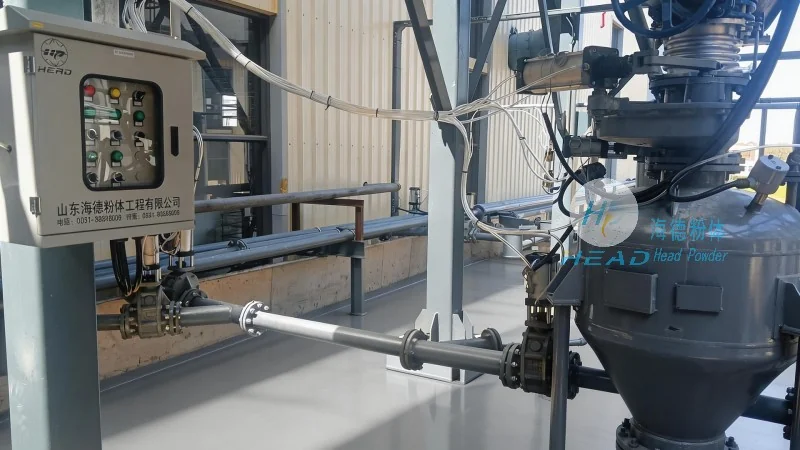
Pipeline Design and Material Handling
The pipeline design plays a vital role in the overall efficiency of the rice husk pneumatic conveying system. The choice of pipeline material, such as stainless steel or high-density polyethylene, depends on the material's corrosive properties and the system's operating conditions. The pipeline layout should be designed to minimize bends and turns, as excessive changes in direction can cause pressure losses and increase the risk of material blockages. Additionally, the inclusion of cleaning mechanisms, such as pulse jets or rotary cleaning devices, is essential to prevent rice husk accumulation and maintain system flow. Proper pipeline design ensures that the material is conveyed smoothly and efficiently, reducing downtime and maintenance costs.
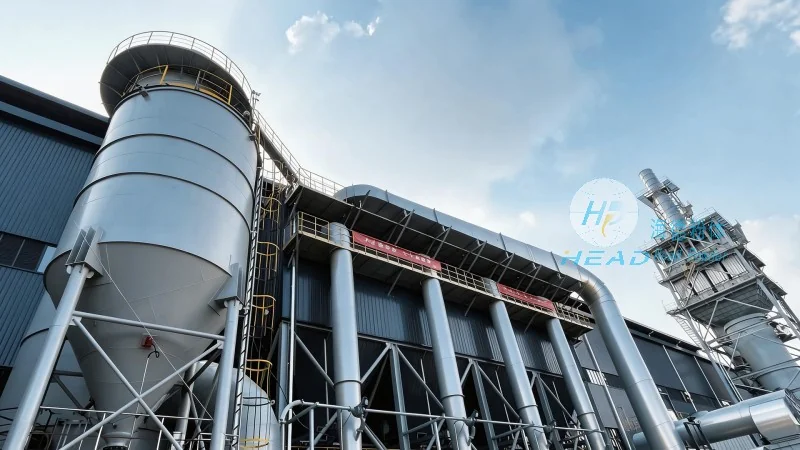
Control Systems and Automation
Advanced control systems and automation are integral to modern rice husk pneumatic conveying systems, enhancing operational efficiency and reliability. These systems typically include sensors for monitoring material levels, pressure, and airflow, as well as control logic to adjust system parameters in real-time. For example, level sensors in the hopper can trigger the feeder to adjust the discharge rate, while pressure sensors in the pipeline can detect blockages and initiate cleaning procedures. Automation also helps in optimizing energy consumption by adjusting the air mover's speed based on the conveying demand. The integration of these control systems ensures that the system operates at peak efficiency, minimizes human intervention, and reduces the risk of operational errors.
Installation and Maintenance Considerations
The successful implementation of a rice husk pneumatic conveying system requires careful planning and execution of installation procedures. Proper alignment of components, such as the hopper, feeder, and pipeline, is essential to prevent material flow issues and ensure system stability. Additionally, the system should be installed with adequate space for maintenance access, allowing for easy inspection and repair of components. Regular maintenance is crucial to maintain the system's performance and longevity. This includes routine checks of air mover components, pipeline cleanliness, and control system functionality. By adhering to a regular maintenance schedule, the system can operate efficiently and minimize the risk of unexpected failures.




