HeadPowder, a leading manufacturer based in Shandong, China, specializes in the design and production of advanced powder conveying systems. This article provides an overview of the powder electrolyte conveying system, detailing its structural design and operational principles to help users understand its functionality and application in various industrial settings.
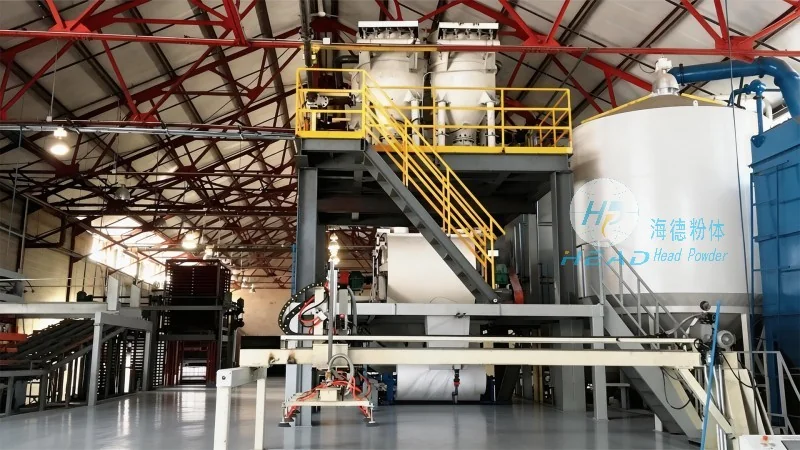
Overview of the Powder Electrolyte Conveying System
The powder electrolyte conveying system is engineered to efficiently transport fine powder materials, such as those used in battery manufacturing processes. This system is particularly crucial for industries dealing with electrolyte powders, where precise and controlled movement is essential to maintain product quality and safety. The system's design integrates multiple components that work in tandem to ensure smooth and reliable powder handling.
Structural Components and Design Principles
The core structure of the powder electrolyte conveying system consists of several key elements, each playing a vital role in the overall operation. These components include a hopper for material storage, a feeding mechanism to regulate powder flow, a conveying tube or pipeline system to transport the powder, and a control unit to manage the entire process. The system is constructed with high-quality materials, such as stainless steel, to ensure durability and resistance to corrosion, which is critical when handling electrolyte powders that may be chemically active.
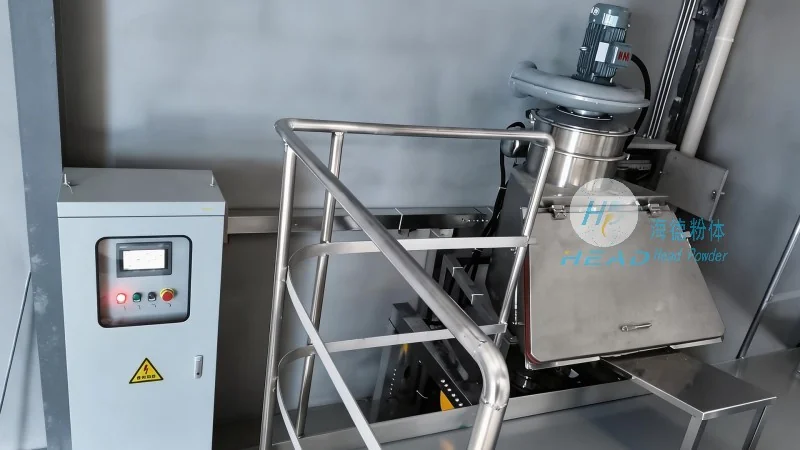
The hopper is designed with a conical or rectangular shape to facilitate uniform material distribution and prevent agglomeration. It is equipped with a discharge valve or gate that allows controlled release of the powder into the feeding mechanism. The feeding mechanism, often a screw or rotary valve, ensures a consistent and adjustable flow rate, preventing overloading or underflow that could affect the conveying efficiency. The conveying tube, typically made of flexible or rigid tubing, is connected to the feeding mechanism and extends to the discharge point. The control unit, which may include sensors and a programmable logic controller (PLC), monitors parameters like pressure, flow rate, and temperature to maintain optimal operation.
Working Principle and Operational Mechanism
The operational principle of the powder electrolyte conveying system is based on the mechanical movement of the powder through the system's components. The process begins with the material being loaded into the hopper. The feeding mechanism then draws the powder from the hopper and moves it into the conveying tube. As the powder travels through the tube, it is propelled by the force generated by the feeding mechanism or by pressure differences within the system. The control unit continuously adjusts the feeding rate and other parameters to ensure the powder moves at a steady pace, avoiding blockages or excessive pressure buildup.
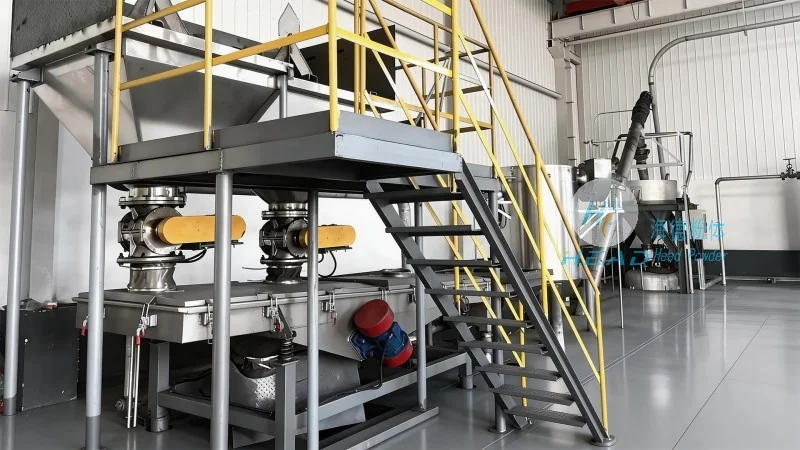
Key to the system's efficiency is the prevention of powder caking and bridging, which can occur in storage hoppers or during transport. The design incorporates features like vibration or agitation mechanisms in the hopper to break up any agglomerates and ensure a consistent flow. Additionally, the conveying tube may be equipped with internal liners or coatings to reduce friction and prevent material adhesion, further enhancing the system's performance.
Application and Industry Relevance
The powder electrolyte conveying system is widely used in the battery manufacturing industry, where the precise handling of electrolyte powders is critical for producing high-quality batteries. The system's ability to maintain a consistent flow rate and prevent contamination makes it an essential component in production lines. It is also applicable in other industries that require the transport of fine powders, such as pharmaceuticals, chemicals, and food processing, where material purity and safety are paramount.
Advantages and Benefits
Implementing a powder electrolyte conveying system offers several advantages for industrial operations. The system's automated control reduces the need for manual intervention, minimizing human error and improving operational consistency. The use of high-quality materials ensures long-term durability and low maintenance costs. Additionally, the system's design allows for easy integration into existing production lines, making it a cost-effective solution for upgrading or expanding manufacturing capabilities.
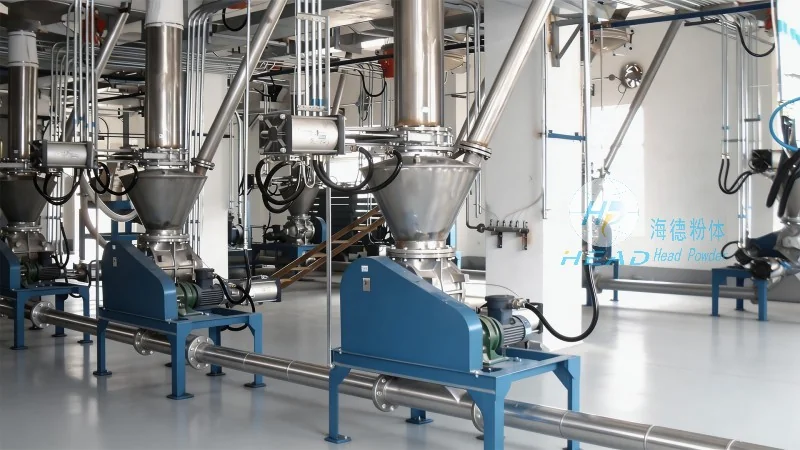
The system's efficiency in transporting fine powders also contributes to improved productivity and reduced downtime. By maintaining a consistent flow rate and preventing material blockages, the system helps to minimize production delays and waste. Furthermore, the ability to control the powder flow precisely allows for better process control, leading to higher product quality and reduced defects.
Conclusion
In conclusion, the powder electrolyte conveying system developed by Shandong HeadPowder Engineering Co., Ltd. is a sophisticated and reliable solution for the transportation of fine powder materials. Its robust structural design and advanced operational principles ensure efficient and safe handling of electrolyte powders, making it an ideal choice for industries requiring high-performance powder conveying systems. With its focus on durability, precision, and ease of use, this system supports the production of high-quality products while enhancing overall operational efficiency.




