Efficient and reliable material handling is a critical aspect of industrial operations, especially when dealing with bulk materials like manganese sulfate. The pneumatic conveying system offers a versatile solution that combines the advantages of dust-free operation, reduced maintenance, and the ability to transport materials over long distances without the need for complex infrastructure. For industries that rely on manganese sulfate in their production processes, selecting the right pneumatic conveying system is essential to ensure smooth operations and optimal performance.
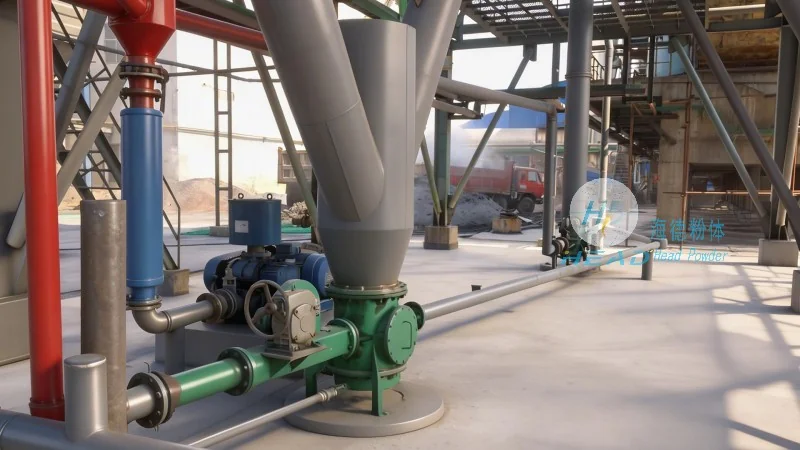
Understanding Manganese Sulfate and Its Handling Requirements
Manganese sulfate (MnSO₄) is a widely used chemical compound in various industries, including agriculture, battery manufacturing, and water treatment. It is typically handled as a fine powder or granules, which makes it susceptible to dust generation and requires careful handling to prevent contamination and environmental issues. The physical properties of manganese sulfate, such as its particle size distribution, moisture content, and bulk density, play a significant role in determining the most suitable pneumatic conveying method. Proper assessment of these properties is the first step in designing an effective conveying system.
Key Design Considerations for Pneumatic Conveying Systems
The design of a pneumatic conveying system for manganese sulfate involves several critical factors that must be carefully evaluated to ensure optimal performance. These include the required conveying capacity, the distance between the source and destination points, the elevation change, and the system's pressure requirements. The choice between positive and negative pressure systems depends on the specific application and the characteristics of the material being conveyed. Positive pressure systems, where air is blown into the system, are commonly used for conveying manganese sulfate due to their ability to handle fine powders and prevent material degradation. The design also considers the type of airlock and rotary valve used at the inlet and outlet to control the flow of material and maintain system integrity.
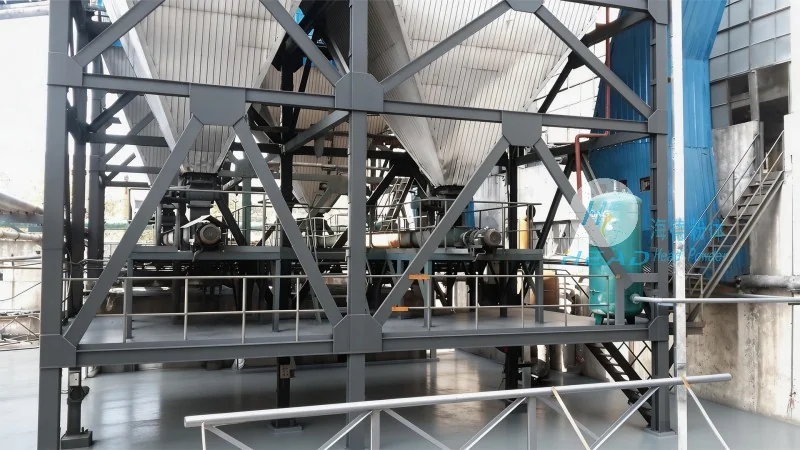
Equipment Selection for Manganese Sulfate Pneumatic Conveying
Choosing the appropriate equipment for a manganese sulfate pneumatic conveying system is crucial for long-term efficiency and reliability. The key components include the air compressor, which provides the necessary pressure and airflow, the conveying line (usually made of stainless steel to prevent corrosion from the acidic nature of manganese sulfate), and the dust collection system. The air compressor must be selected based on the system's pressure and flow requirements, ensuring it can handle the specific demands of manganese sulfate without excessive energy consumption. The conveying line diameter and length are critical parameters that affect the system's performance and pressure drop. Additionally, the use of flexible hoses or rigid pipes depends on the application, with rigid pipes offering better pressure retention and reduced maintenance. The dust collection system, often integrated with the conveying line, is essential to comply with environmental regulations and maintain a clean working environment.
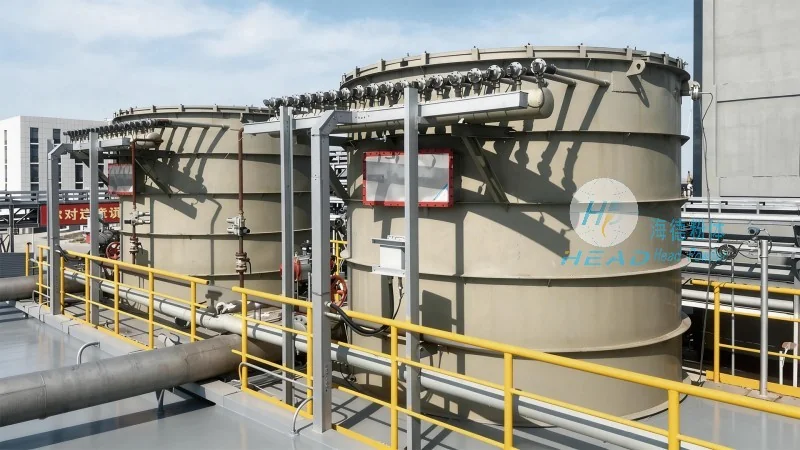
Design Calculations for Pneumatic Conveying of Manganese Sulfate
Accurate design calculations are essential to ensure the pneumatic conveying system operates within its optimal parameters. The calculations involve determining the required air velocity, which must be high enough to lift the material particles but not so high as to cause excessive pressure drop or material degradation. The air velocity is typically calculated based on the particle size and density of manganese sulfate. The system's pressure drop is another critical factor, as it determines the energy consumption and the overall efficiency of the conveying process. The pressure drop is influenced by the length and diameter of the conveying line, the number of bends, and the type of fittings used. By performing detailed calculations, engineers can optimize the system design to minimize energy costs and maximize conveying efficiency.
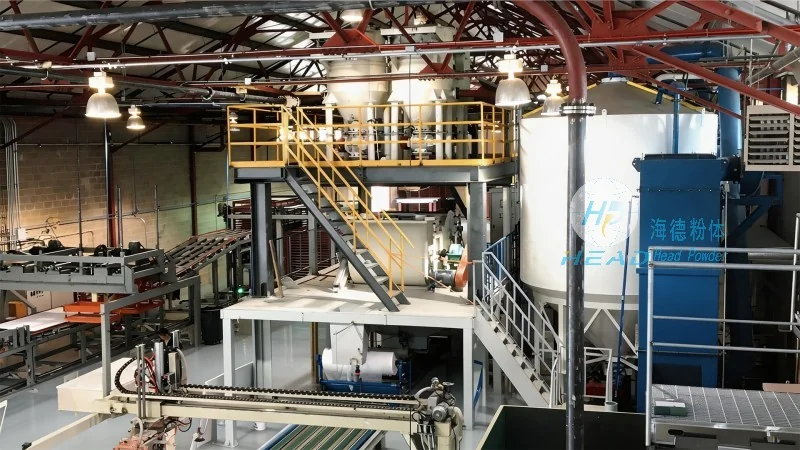
HeadPowder Engineering's Expertise in Pneumatic Conveying Solutions
Shandong HeadPowder Engineering Co., Ltd., a leading provider of material handling solutions, specializes in designing and implementing pneumatic conveying systems tailored to the unique needs of industries handling manganese sulfate. With years of experience in the field, HeadPowder's team of engineers utilizes advanced design software and methodologies to ensure that each system is optimized for performance, reliability, and cost-effectiveness. The company's approach involves a comprehensive analysis of the client's operational requirements, material characteristics, and budget constraints to develop a customized solution that meets all regulatory and environmental standards. HeadPowder's services include detailed design calculations, equipment selection, system installation, and post-installation support, ensuring that clients receive a turnkey solution that enhances their production efficiency and reduces operational costs.
Addressing Common Challenges in Manganese Sulfate Conveying
Handling manganese sulfate presents several challenges that must be addressed to ensure the longevity and efficiency of the pneumatic conveying system. One of the primary challenges is the corrosive nature of the material, which can damage metal components over time. To mitigate this, HeadPowder recommends using stainless steel or other corrosion-resistant materials for the conveying line and components. Another challenge is the potential for material buildup and blockages in the system, especially in areas with high moisture content or fine particles. The use of appropriate airlocks, rotary valves, and cleaning mechanisms helps prevent these issues. Additionally, the system must be designed to handle variations in material flow rates and particle size, ensuring consistent performance under different operating conditions. HeadPowder's engineers are well-versed in addressing these challenges and provide tailored solutions that enhance the system's durability and operational reliability.




