Rice husk, a byproduct of rice processing, is widely used in various industries such as power generation, animal feed, and chemical production. Efficient and reliable material handling is crucial for optimizing the processing of rice husk. Pneumatic conveying systems offer a solution by transporting bulk materials like rice husk through a pipeline using air pressure. This article provides a detailed overview of rice husk pneumatic conveying systems, focusing on their design, functionality, and practical applications.
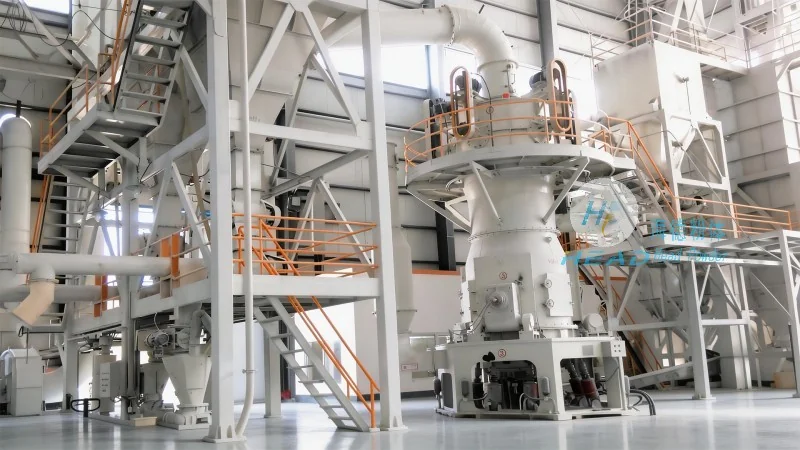
Company Overview: Shandong HeadPowder Engineering Co., Ltd.
HeadPowder, the brand under Shandong HeadPowder Engineering Co., Ltd., specializes in the design and manufacturing of advanced material handling equipment. With a strong commitment to innovation and quality, HeadPowder has established itself as a leading provider in the field of pneumatic conveying systems. The company's headquarters is located in Shandong, China, where it leverages local resources and expertise to develop cutting-edge solutions tailored to the needs of diverse industries.
Key Components of a Rice Husk Pneumatic Conveying System
A typical rice husk pneumatic conveying system consists of several key components that work together to ensure efficient material transport. These components include the hopper, which stores the rice husk; the feeder, which controls the flow of material into the system; the conveying line, which transports the material through the pipeline; and the receiver, which collects the material at the destination. The system may also incorporate additional components such as filters, cyclones, and vacuum or pressure units, depending on the specific requirements of the application.
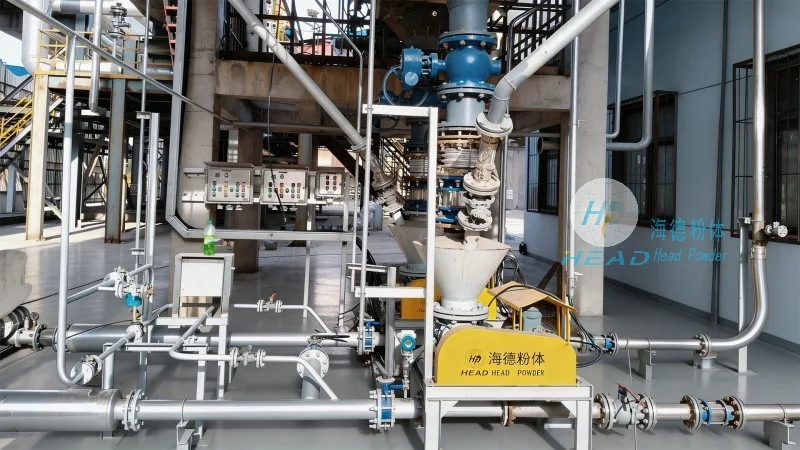
Types of Pneumatic Conveying Systems for Rice Husk
There are two main types of pneumatic conveying systems used for rice husk: vacuum and pressure systems. Vacuum systems use a vacuum pump to draw material from the source and transport it to the destination, making them suitable for short to medium distances and low to medium material flow rates. Pressure systems, on the other hand, use a blower or compressor to push material through the pipeline, which is ideal for longer distances and higher material flow rates. The choice between vacuum and pressure systems depends on factors such as the distance between the source and destination, the material's characteristics, and the required throughput.
Advantages of Using Pneumatic Conveying for Rice Husk
Implementing a pneumatic conveying system for rice husk offers several advantages over traditional methods like belt conveyors or bucket elevators. One of the primary benefits is the ability to transport materials in a closed system, which helps prevent dust contamination and improves workplace safety. Additionally, pneumatic conveying systems are more flexible and can be easily reconfigured to accommodate changes in production processes or facility layouts. They also reduce the need for manual handling, minimizing labor costs and the risk of material damage. Furthermore, these systems can operate at higher speeds and with greater efficiency, leading to improved overall productivity.
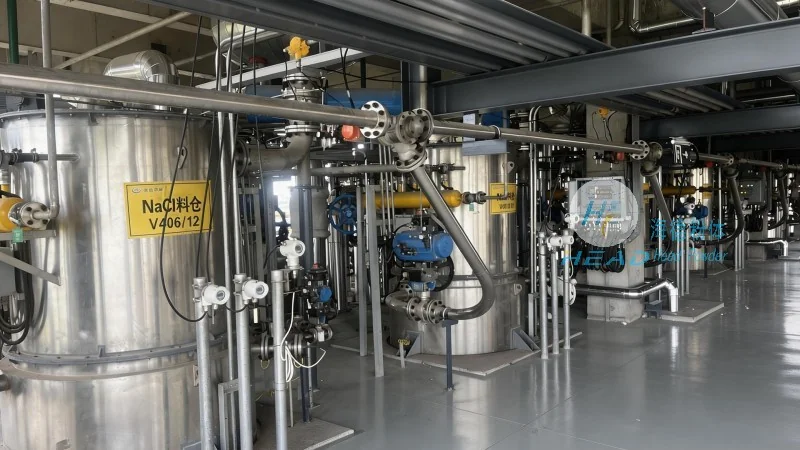
Application Examples in the Rice Husk Industry
Rice husk pneumatic conveying systems are widely used in various applications within the rice husk processing industry. For instance, in power plants, rice husk is used as a fuel source, and pneumatic conveying systems are used to transport the material from storage silos to the boiler. In animal feed production, the system helps move rice husk from processing units to storage or packaging areas. Similarly, in chemical production, rice husk is processed into biochar or other products, and pneumatic conveying systems facilitate the transport of raw materials and finished products throughout the production line.
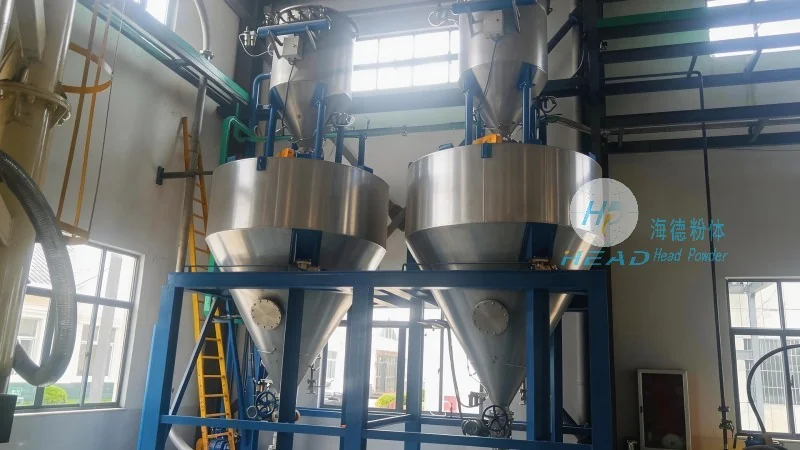
Design Considerations for Optimal Performance
Designing an effective rice husk pneumatic conveying system requires careful consideration of several factors to ensure optimal performance and longevity. First, the material characteristics of rice husk, such as its density, moisture content, and particle size distribution, must be taken into account. These factors influence the selection of the appropriate conveying system type and components. Second, the distance and elevation changes between the source and destination need to be evaluated to determine the required air pressure and flow rate. Third, the system's capacity and throughput must be matched to the production requirements to avoid bottlenecks or underutilization. Finally, the system should be designed with appropriate safety features, such as dust collection and explosion-proof components, to comply with industry regulations and protect personnel.
Maintenance and Operational Tips
To ensure the long-term reliability and efficiency of a rice husk pneumatic conveying system, regular maintenance and proper operation are essential. Regular cleaning of the conveying line and components is crucial to prevent clogging and reduce the risk of material buildup. The air filter and blower should be inspected and maintained regularly to ensure proper airflow and prevent dust accumulation. Additionally, monitoring the system's performance parameters, such as pressure and flow rate, can help identify potential issues before they become major problems. Proper training of operators on the system's operation and maintenance procedures is also important to maximize its lifespan and performance.




