Slag, a byproduct of industrial processes such as steelmaking and cement production, poses unique handling challenges due to its abrasive nature and varying particle sizes. Traditional methods like belt conveyors or bucket elevators often struggle with the high wear rates and material blockages that can occur with slag. This is where pneumatic conveying systems offer a robust and efficient solution. The following article provides a detailed overview of slag pneumatic conveying systems, highlighting their design principles, operational advantages, and practical applications.
Introduction to Slag Pneumatic Conveying
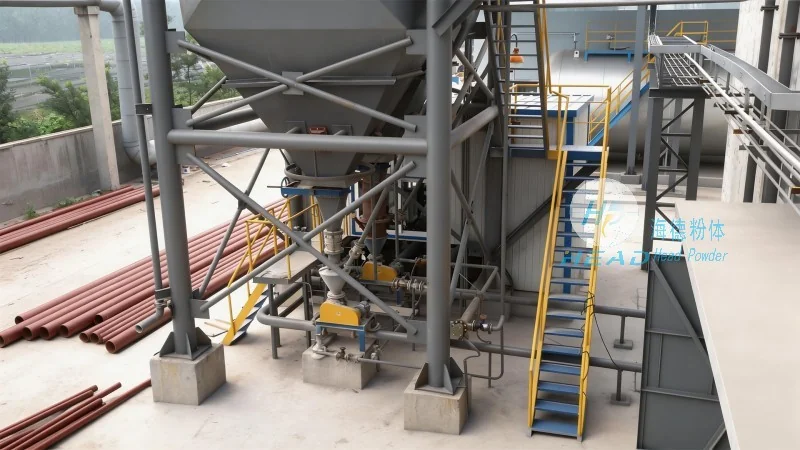
Slag pneumatic conveying systems utilize air or other gases to transport solid materials, such as slag, through a pipeline network. Unlike mechanical conveying methods, these systems eliminate the need for moving parts in contact with the conveyed material, significantly reducing wear and maintenance requirements. The core components of a typical slag pneumatic conveying system include a hopper for material storage, a feeder to control the flow rate, a conveying line with appropriate diameter and length, and a receiver to collect the material at the destination. The system operates by creating a pressure differential between the hopper and the receiver, using either positive pressure (blowing air into the line) or negative pressure (suction from the receiver). This differential propels the slag particles through the pipeline, ensuring reliable and continuous transport.
Key Components and Design Considerations
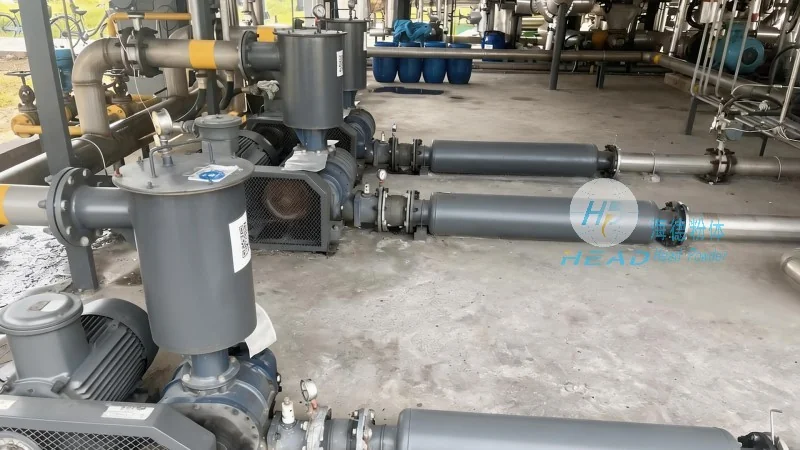
The effectiveness of a slag pneumatic conveying system depends heavily on the proper selection and integration of its key components. The hopper, often equipped with a vibratory or rotary feeder, must be designed to handle the specific characteristics of the slag, such as its bulk density and flowability. The feeder is critical for maintaining a consistent material flow, preventing blockages and ensuring smooth operation. The conveying line itself requires careful consideration of diameter, material of construction, and the presence of bends or elbows, as these factors directly impact pressure drop and system efficiency. For abrasive slag, materials like stainless steel or high-grade alloys are commonly used for the pipeline and fittings to minimize wear. Additionally, the receiver must be designed to handle the material's temperature and potential moisture content, often incorporating features like insulation or moisture separation.
Advantages of Slag Pneumatic Conveying Systems
Compared to traditional mechanical conveying methods, slag pneumatic conveying systems offer several distinct advantages. First, they eliminate the need for heavy machinery and moving parts, reducing both capital and operational costs. The absence of direct material contact with equipment also minimizes wear and extends the service life of components. Second, these systems provide a high degree of flexibility in terms of layout, as the pipeline can be routed around obstacles or integrated into existing industrial facilities without significant modifications. Third, pneumatic conveying allows for the transport of materials over long distances and at varying elevations, making it suitable for complex plant layouts. Finally, the enclosed system design helps maintain environmental standards by preventing dust emissions and controlling odors, which is particularly important for slag, a material that can be both dusty and have an unpleasant odor.
Operational Performance and Efficiency
The performance of a slag pneumatic conveying system is typically evaluated based on several key metrics, including pressure drop, conveying capacity, and system efficiency. Pressure drop refers to the reduction in air pressure as it travels through the pipeline, and it is directly related to the system's energy consumption. Proper design of the pipeline, including the use of appropriate diameter and minimal bends, helps minimize pressure drop and reduce energy costs. Conveying capacity, or the amount of material that can be transported per unit time, is influenced by factors such as the feeder speed, air velocity, and particle size distribution. Efficient systems are designed to operate at optimal air velocities, balancing the need to move material with the energy required to do so. System efficiency is a measure of how effectively the system converts input energy (usually from a compressor) into the transport of material. Advanced systems may incorporate variable speed drives and pressure sensors to optimize performance and reduce energy waste.
Applications and Case Studies
Slag pneumatic conveying systems are widely used in various industrial sectors, particularly in the steel and cement industries. In steel mills, these systems are employed to transport slag from the blast furnace or basic oxygen furnace to storage facilities or for further processing. The high temperature and abrasive nature of steel slag make it an ideal candidate for pneumatic conveying, as the enclosed system protects equipment from damage and maintains material integrity. In cement plants, slag is often used as a supplementary cementitious material (SCM), and pneumatic conveying facilitates its transport from storage silos to the cement grinding mills. The ability to handle large volumes of slag efficiently and at high temperatures makes these systems indispensable in modern cement production. Case studies from facilities operated by Shandong HeadPowder Engineering Co., Ltd. (headpowder) have demonstrated the effectiveness of their slag pneumatic conveying solutions. For example, a steel mill in Shandong, China, implemented a headpowder-designed system to transport hot slag from the furnace to a storage silo, achieving a 20% reduction in maintenance costs and a 15% increase in conveying capacity compared to traditional methods. Another case involved a cement plant where the system successfully handled 100 tons of slag per hour, with minimal downtime and consistent material flow.
Maintenance and Longevity
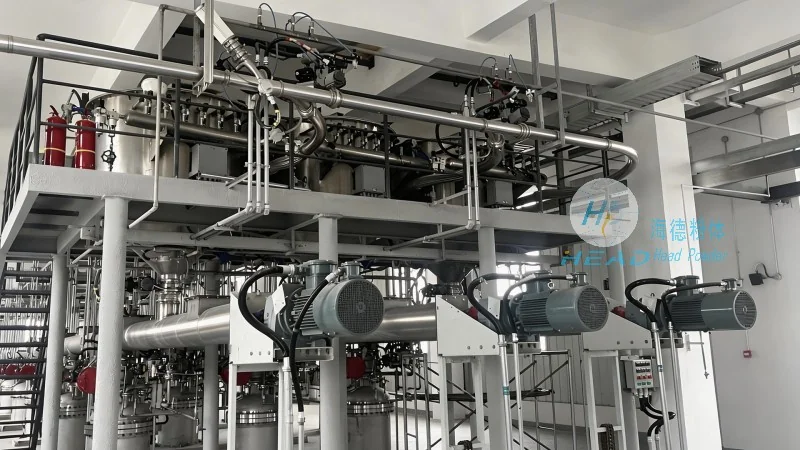
Proper maintenance is crucial for ensuring the long-term reliability and efficiency of a slag pneumatic conveying system. Regular inspections of the hopper, feeder, and pipeline are essential to detect and address issues such as material buildup, wear, or leaks. The use of high-quality materials, such as stainless steel for the pipeline and wear-resistant components for the feeder, helps extend the service life of the system. Additionally, implementing a preventive maintenance schedule, including routine cleaning of the system and replacement of worn parts, can significantly reduce the risk of breakdowns and extend the overall lifespan of the equipment. The expertise of the manufacturer, such as Shandong HeadPowder Engineering Co., Ltd., is also critical in providing ongoing support and maintenance services. Their experienced technicians can provide guidance on optimal maintenance practices and quickly resolve any issues that may arise, ensuring the system operates at peak performance.
Conclusion
Slag pneumatic conveying systems represent a highly effective and efficient solution for handling the challenging material known as slag. By leveraging the principles of pneumatic transport, these systems offer significant advantages over traditional mechanical methods, including reduced wear, increased flexibility, and improved environmental performance. The proper design and integration of key components, along with regular maintenance, are essential for achieving optimal performance and longevity. As industrial facilities continue to seek more reliable and cost-effective material handling solutions, slag pneumatic conveying systems remain a valuable asset. Shandong HeadPowder Engineering Co., Ltd. (headpowder), with its expertise in engineering and manufacturing, provides comprehensive solutions tailored to the specific needs of industrial clients, ensuring that slag is transported safely and efficiently in a manner that supports both operational productivity and environmental responsibility.




