Quartz stone, a widely used material in various industrial applications, often requires efficient and reliable material handling solutions. Pneumatic conveying systems offer a versatile approach to transporting quartz stone from one location to another, ensuring minimal product degradation and operational efficiency. This article focuses on the design calculation principles and equipment selection process for quartz stone pneumatic conveying systems, providing a comprehensive guide for engineers and industry professionals.
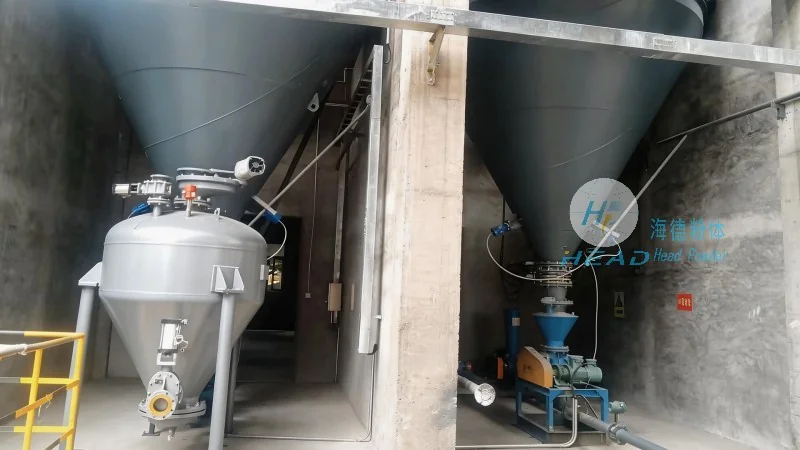
About HeadPowder Engineering
HeadPowder, a leading provider of engineering solutions, specializes in the design, manufacturing, and implementation of pneumatic conveying systems. With a strong presence in Shandong, China, HeadPowder has established itself as a trusted partner for businesses seeking to optimize their material handling processes. The company's expertise lies in tailoring systems to meet specific operational requirements, ensuring durability, energy efficiency, and compliance with industry standards.
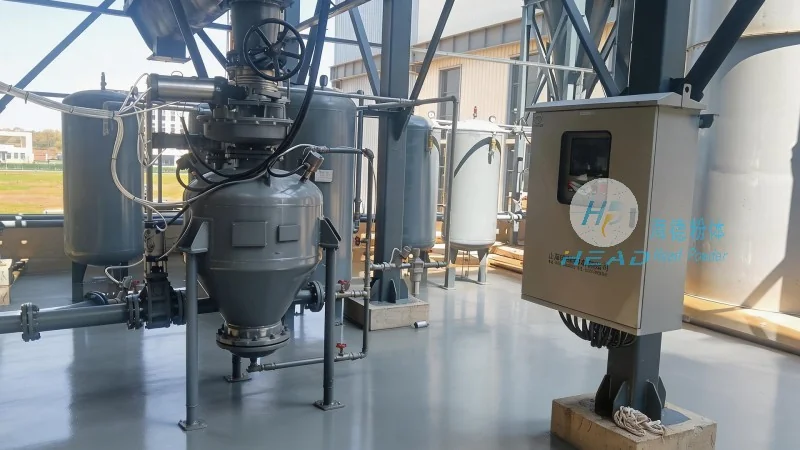
Design Calculation for Quartz Stone Pneumatic Conveying
The design of a quartz stone pneumatic conveying system involves several critical calculations to ensure optimal performance. Key factors include the material's physical properties, such as particle size distribution, density, and flowability, as well as the system's operating conditions like pressure, velocity, and conveying distance. Engineers must consider the required conveying capacity, which is determined by the production rate and material throughput needs. The calculation process typically starts with determining the necessary air flow rate, which is influenced by the material's aerodynamic characteristics and the chosen conveying method (e.g., dilute-phase or dense-phase). Additionally, the system's pressure drop across components like pipes, valves, and filters must be accurately assessed to ensure sufficient power and energy efficiency. HeadPowder employs advanced computational methods and industry best practices to perform these calculations, leveraging years of experience in handling diverse materials, including quartz stone.
Equipment Selection for Quartz Stone Pneumatic Conveying
Selecting the appropriate equipment for a quartz stone pneumatic conveying system is crucial for long-term operational success. The primary components include the feeding system, conveying line, separation and cleaning equipment, and control systems. For quartz stone, which can be abrasive and have varying particle sizes, the feeding equipment must be robust and capable of handling the material's characteristics. Screw feeders or rotary valves are commonly used to feed quartz stone into the conveying line, ensuring consistent material flow and preventing blockages. The conveying line itself is typically made of corrosion-resistant materials like stainless steel or special alloys to withstand the abrasive nature of quartz particles. The choice between dilute-phase and dense-phase conveying depends on the specific application and material properties. Dilute-phase systems are suitable for short to medium distances and low to medium capacities, while dense-phase systems are preferred for longer distances, higher capacities, or more sensitive materials. Separation and cleaning equipment, such as cyclones or filters, are essential to remove entrained particles from the air stream, ensuring compliance with environmental regulations and maintaining system efficiency. Control systems, including pressure sensors, flow meters, and automated valves, provide real-time monitoring and adjustment of the conveying process, enhancing operational stability and reducing downtime. HeadPowder offers a range of equipment options tailored to the unique requirements of quartz stone applications, ensuring that each component is selected based on the material's properties and the system's operational parameters.
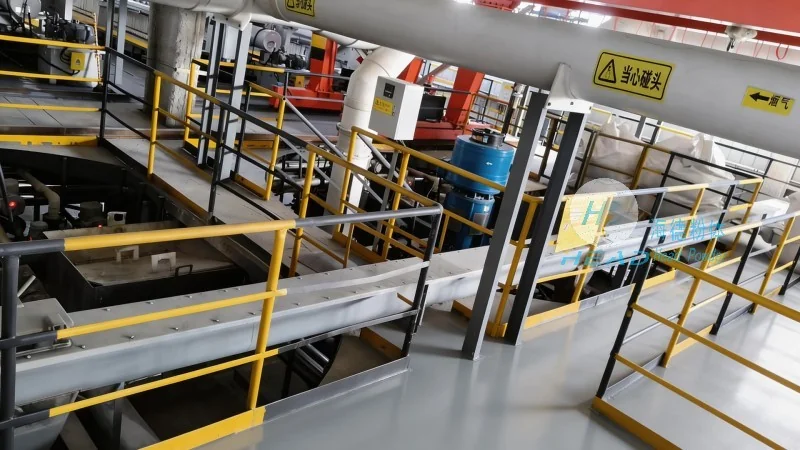
System Optimization and Maintenance
Optimizing a quartz stone pneumatic conveying system involves continuous monitoring and adjustment to maintain peak performance. Regular maintenance is critical to prevent equipment wear and ensure the system operates efficiently. HeadPowder provides comprehensive maintenance services, including routine inspections, component replacement, and system upgrades. By adhering to recommended maintenance schedules, users can extend the lifespan of their equipment, reduce operational costs, and minimize downtime. Additionally, system optimization techniques, such as adjusting air flow rates or modifying conveying line configurations, can improve efficiency and reduce energy consumption. HeadPowder's engineering team offers expert consultation to help clients identify opportunities for optimization and implement effective maintenance strategies.




