Cellulose, a primary component of plant cell walls, is widely used in various industries including paper manufacturing, food processing, and chemical production. The efficient handling of cellulose materials is crucial for maintaining production efficiency and minimizing operational costs. Pneumatic conveying systems offer a reliable solution for transporting cellulose powders and granules over short to medium distances, providing advantages such as reduced dust generation, lower maintenance requirements, and improved safety compared to traditional mechanical conveying methods.
Key Design Considerations for Cellulose Pneumatic Conveying
When designing a pneumatic conveying system for cellulose, several critical factors must be considered to ensure optimal performance and longevity. The first step is to assess the material properties of the cellulose, including its bulk density, particle size distribution, and flowability. These characteristics directly impact the selection of the conveying velocity, which is a key parameter in determining the system's capacity and pressure requirements. Additionally, the system's layout, including the number of transfer points, vertical and horizontal runs, and the presence of bends or elbows, must be carefully planned to minimize pressure losses and prevent material blockages.
Calculation Methods for Pneumatic Conveying Systems
Accurate calculation of the pneumatic conveying system's performance is essential for selecting the appropriate equipment and ensuring the system operates within safe and efficient parameters. The primary calculations involve determining the required air flow rate, pressure drop across the system, and the power consumption of the air compressor. The air flow rate is calculated based on the material's bulk density and the desired conveying velocity, while the pressure drop is determined by considering the friction losses in the pipeline, the losses at bends and fittings, and the acceleration and deceleration of the material particles. The power consumption of the compressor is then derived from the pressure drop and the air flow rate, ensuring that the system is sized appropriately to meet the operational demands without excessive energy consumption.
Equipment Selection for Cellulose Pneumatic Conveying
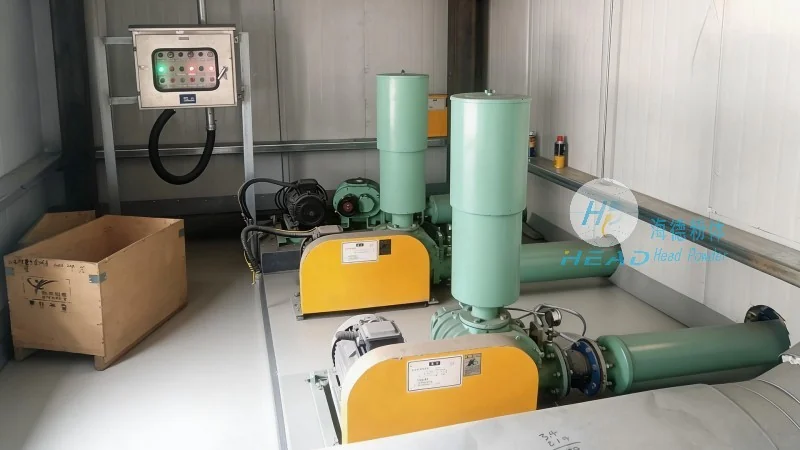
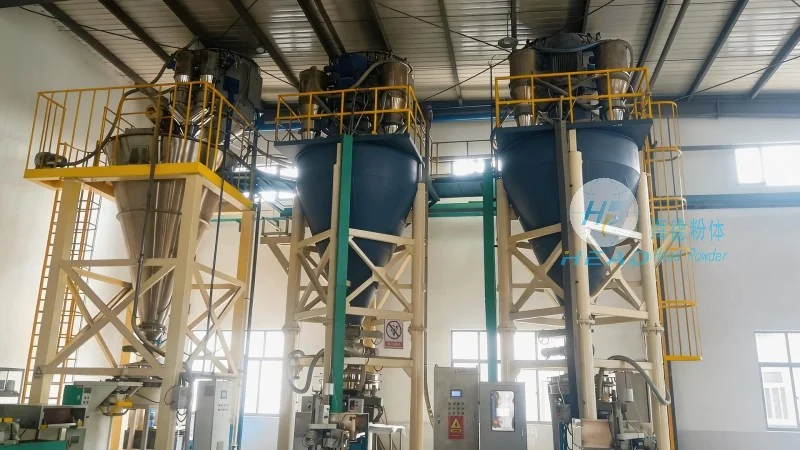
The selection of pneumatic conveying equipment is a critical step in the system design process, as it directly affects the system's performance, reliability, and cost. For cellulose applications, the main equipment components include the air compressor, material feeders, conveying pipelines, and separation devices. The air compressor must be capable of delivering the required air flow at the necessary pressure, with options such as rotary lobe compressors or centrifugal compressors being commonly used depending on the system's scale and operating conditions. Material feeders, such as rotary valves or screw feeders, are used to introduce the cellulose into the conveying line at a controlled rate, ensuring consistent material flow and preventing blockages. The conveying pipelines are typically made of stainless steel or other corrosion-resistant materials to withstand the abrasive nature of cellulose particles and the effects of moisture. Separation devices, such as cyclones or filters, are installed at the end of the system to separate the conveyed material from the air stream, allowing for the collection of the cellulose and the return of the air to the compressor for recirculation.
Case Study: Application of Cellulose Pneumatic Conveying in Paper Manufacturing
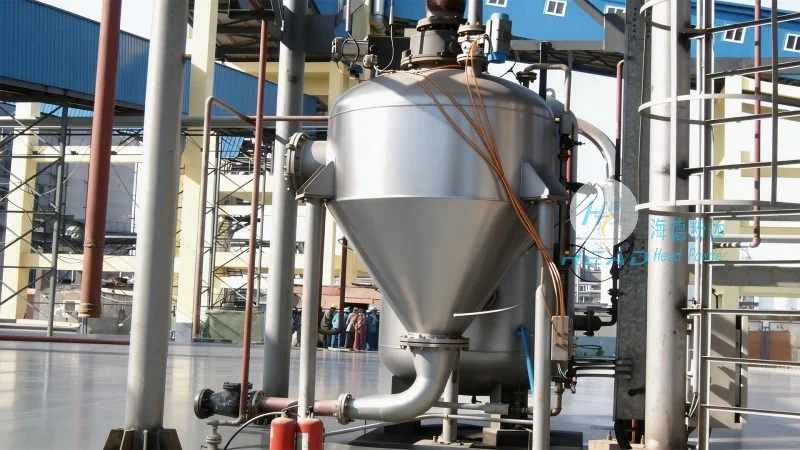
Shandong HeadPowder Engineering Co., Ltd., a leading provider of pneumatic conveying solutions, has successfully implemented cellulose pneumatic conveying systems in various paper manufacturing facilities. In one project, the company designed and installed a system to transport cellulose pulp from storage silos to the paper machine at a production plant in China. The system was designed to handle a bulk density of 0.5 g/cm³ and a particle size range of 0.1 to 2 mm, with a conveying velocity of 20 m/s. The calculations indicated a required air flow rate of 10,000 m³/h and a pressure drop of 0.8 bar across the system. The selected equipment included a rotary lobe air compressor with a capacity of 15 kW, a rotary valve feeder with a capacity of 5 t/h, and stainless steel pipelines with a diameter of 150 mm. The system has been in operation for over two years, achieving a conveying efficiency of 98% and reducing material handling costs by 30% compared to traditional mechanical systems. This case study demonstrates the effectiveness of properly designed and selected pneumatic conveying equipment in improving production efficiency and reducing operational costs in cellulose processing applications.
Conclusion and Service Offerings
Designing and implementing an efficient cellulose pneumatic conveying system requires a thorough understanding of material properties, system design principles, and equipment selection criteria. Shandong HeadPowder Engineering Co., Ltd. specializes in providing comprehensive solutions for pneumatic conveying systems, including design calculations, equipment selection, and system installation. With years of experience in the industry, the company has developed a deep understanding of the unique challenges associated with cellulose handling and has successfully delivered numerous projects across China. The company's commitment to quality, reliability, and customer satisfaction has made it a trusted partner for businesses seeking to optimize their material handling processes. Whether you are a new or existing customer, Shandong HeadPowder Engineering Co., Ltd. offers expert consultation and tailored solutions to meet your specific pneumatic conveying needs.




