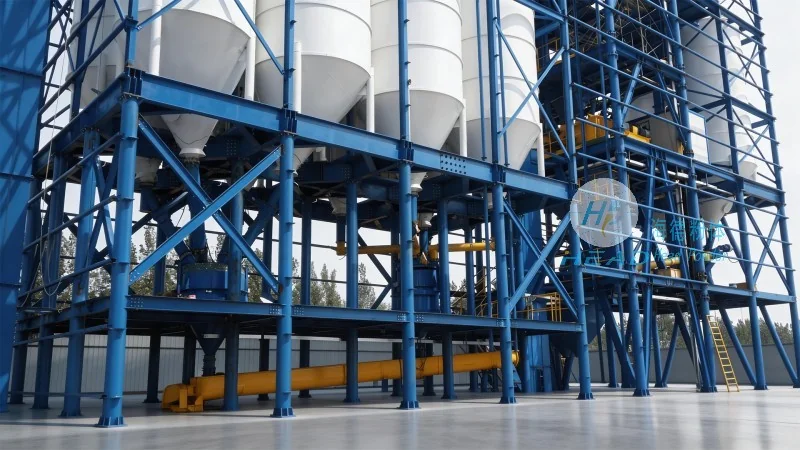
When designing a micropowder pneumatic conveying system, several critical factors must be considered to ensure efficient operation, reliability, and long-term performance. These considerations span from material properties and system configuration to equipment selection and operational parameters. Understanding these elements is essential for optimizing the system's performance and minimizing potential issues such as blockages, degradation, or energy inefficiency.
Key Design Factors for Micropowder Handling
The first step in designing an effective micropowder pneumatic conveying system involves a thorough analysis of the material being transported. Micropowders, characterized by their fine particle size (typically less than 100 microns), exhibit unique flow and transport characteristics compared to larger bulk materials. Key material properties to evaluate include particle size distribution, density, moisture content, and cohesive tendencies. These properties directly impact the system's design, as they influence the required air velocity, pressure, and equipment type. For instance, materials with high moisture content may require additional drying steps or specialized equipment to prevent caking and blockages.
System Configuration and Components
The configuration of the pneumatic conveying system is another critical design consideration. Systems can be broadly categorized into pressure and vacuum types, each with distinct applications and advantages. Pressure systems, which use positive pressure to push material through the line, are commonly used for long-distance or high-volume transport. Vacuum systems, on the other hand, use negative pressure to pull material from a source, making them suitable for short-distance or low-volume applications. The choice between these systems depends on factors such as the distance between the source and destination, the material's properties, and the desired flow rate. Additionally, the system's layout—including the number of bends, vertical lifts, and horizontal runs—must be carefully planned to minimize pressure drop and prevent particle segregation or degradation.
Equipment Selection and Sizing
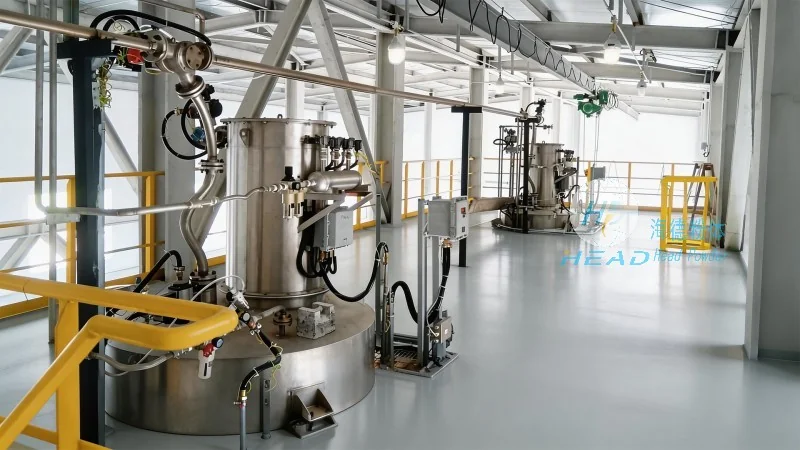
Proper equipment selection is vital for the successful operation of a micropowder pneumatic conveying system. Key components include the air compressor, conveying line, and control valves. The air compressor must be sized to provide sufficient air volume and pressure to overcome system resistance and maintain the required air velocity. For micropowders, higher air velocities are often necessary to prevent particle settling and blockages, which may require more powerful compressors or higher pressure settings. The conveying line, typically made of stainless steel or other corrosion-resistant materials, must be sized to accommodate the material's flow characteristics and prevent excessive pressure drop. Additionally, the use of inline filters and cyclones is essential to remove dust and prevent clogging of downstream equipment.
Operational Parameters and Control
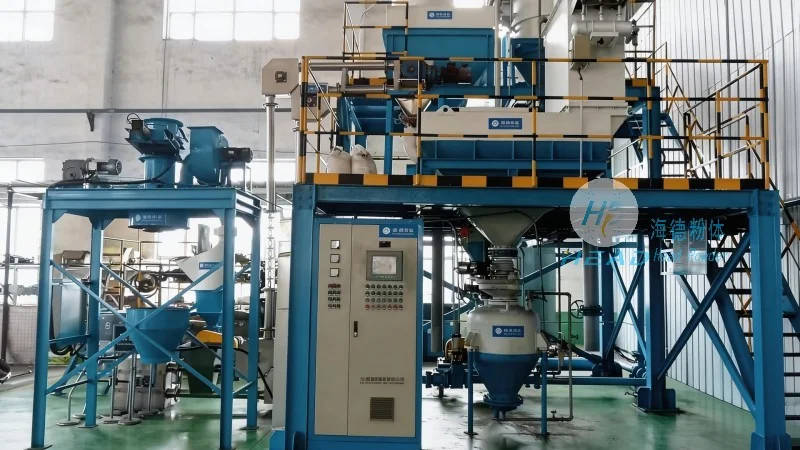
Optimizing operational parameters is crucial for maintaining the efficiency and reliability of the system. Key parameters include air velocity, pressure, and flow rate. Air velocity must be carefully controlled to ensure that the material is suspended and transported without causing excessive wear on the equipment or pressure drop. Typically, air velocities for micropowders range from 20 to 50 meters per second, depending on the material's properties and system configuration. Pressure levels are also critical, as they must be sufficient to overcome system resistance but not so high as to cause excessive energy consumption or equipment damage. Flow rate control is another important aspect, as it allows for adjustment of the material throughput based on production demands. Advanced control systems, such as variable frequency drives (VFDs) and pressure sensors, can help maintain optimal operating conditions and prevent overloading or underloading of the system.
Preventing Common Issues in Micropowder Conveying
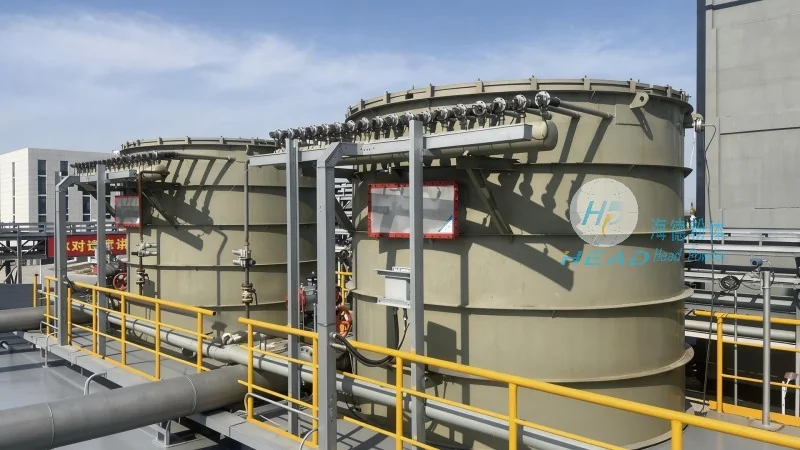
Despite careful design, micropowder pneumatic conveying systems may encounter common issues such as blockages, particle degradation, or system inefficiencies. Blockages can occur due to caking, moisture buildup, or excessive particle size variation. To prevent this, regular maintenance, such as cleaning of the conveying line and filters, and the use of anti-caking agents or drying systems may be necessary. Particle degradation, which can occur due to high shear forces or excessive air velocity, can be mitigated by selecting appropriate equipment and controlling operational parameters. System inefficiencies, such as high energy consumption or low throughput, can be addressed by optimizing the system layout, selecting the right equipment, and maintaining proper operational conditions.
About Shandong HeadPowder Engineering Co., Ltd.
Shandong HeadPowder Engineering Co., Ltd., operating under the brand name headpowder, is a leading provider of micropowder pneumatic conveying systems and related engineering solutions. With a focus on innovation and customer satisfaction, the company specializes in designing and manufacturing customized systems tailored to the unique needs of its clients. Headpowder's team of experienced engineers and technicians utilizes advanced technology and industry best practices to ensure that each system is optimized for performance, reliability, and cost-effectiveness. The company's commitment to quality and customer service has made it a trusted partner for businesses in various industries, including pharmaceuticals, food processing, and chemical manufacturing. Headpowder's headquarters is located in Shandong, China, where the company maintains state-of-the-art facilities for research, development, and manufacturing.




