Lithium-ion batteries are a cornerstone of modern energy storage and power solutions, and their efficient handling is critical for manufacturing, recycling, and logistics operations. Pneumatic conveying systems offer a versatile and effective method for transporting these batteries, but their design requires careful consideration to ensure safety, efficiency, and reliability. This article outlines key design considerations for lithium-ion battery pneumatic conveying systems, emphasizing the expertise of Shandong HeadPowder Engineering Co., Ltd., a leading provider in the field.
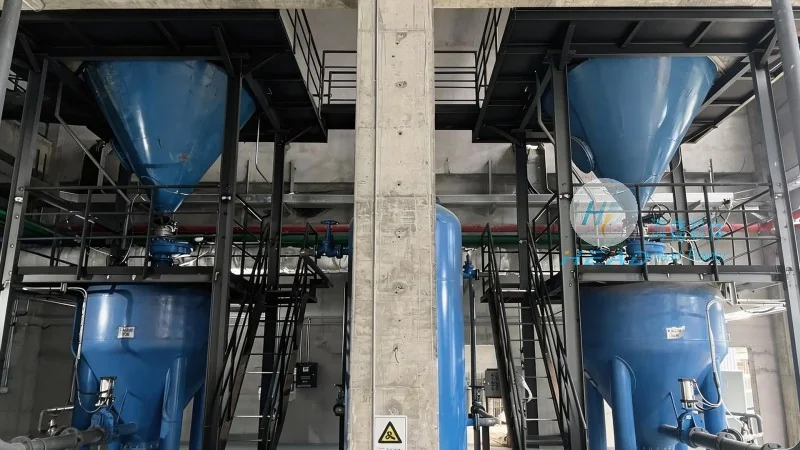
Company Overview: HeadPowder
HeadPowder, or Shandong HeadPowder Engineering Co., Ltd., is a specialized engineering firm based in Shandong, China. With a focus on advanced material handling solutions, the company has developed expertise in designing and implementing pneumatic conveying systems tailored to the unique requirements of lithium-ion battery production and processing. Their team of engineers brings years of experience in handling sensitive materials, ensuring that systems are built to meet industry standards and client-specific needs.
Key Design Considerations for Pneumatic Conveying Systems
The design of a lithium-ion battery pneumatic conveying system involves several critical factors that must be addressed to prevent damage to the batteries, maintain system efficiency, and ensure operator safety. The first consideration is the material properties of the lithium-ion batteries themselves. These batteries are often lightweight but can be fragile, with sensitive internal components that are susceptible to impact, vibration, and pressure changes. Therefore, the system must be designed to minimize these risks. For instance, the use of low-velocity conveying methods, such as dilute-phase or dense-phase systems, can reduce the impact forces on the batteries during transport.
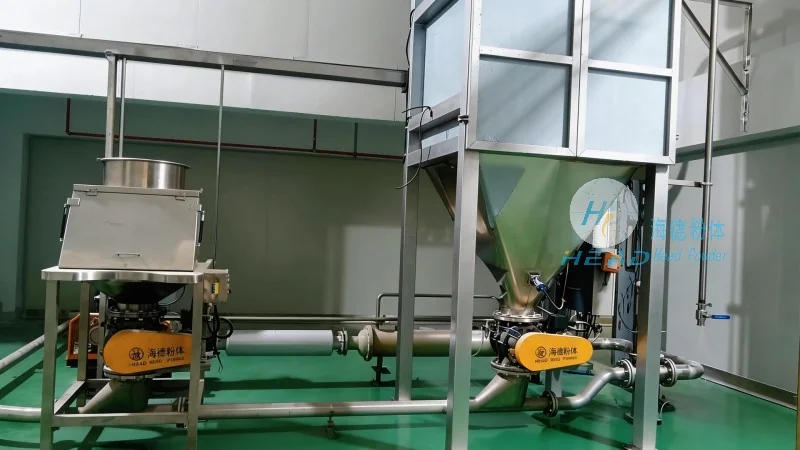
Another crucial factor is the system's air flow management. Proper air velocity and pressure control are essential to prevent battery damage and ensure consistent flow. High air velocities can cause excessive wear on the battery casings and internal components, while low velocities may lead to blockages or inefficient transport. Engineers at HeadPowder use advanced computational fluid dynamics (CFD) modeling to optimize air flow patterns, ensuring that the system operates within safe and efficient parameters. This approach helps in selecting the appropriate air compressor size, pipeline diameter, and pressure levels for the specific application.
Material Handling and Equipment Selection
The choice of equipment in a pneumatic conveying system directly impacts its performance and longevity. For lithium-ion batteries, components such as hoppers, feeders, and conveying lines must be selected with care. Hoppers should be designed to minimize material buildup and ensure smooth feeding, while feeders (like rotary valves or vibratory feeders) must be capable of handling the battery's size and weight without causing damage. The conveying lines, typically made of stainless steel or other corrosion-resistant materials, must be smooth and free of sharp edges to prevent abrasion on the battery casings. HeadPowder's engineers recommend using flexible hoses or smooth-bore pipes in certain sections to accommodate any movement or vibration during operation.
Safety and Compliance in System Design
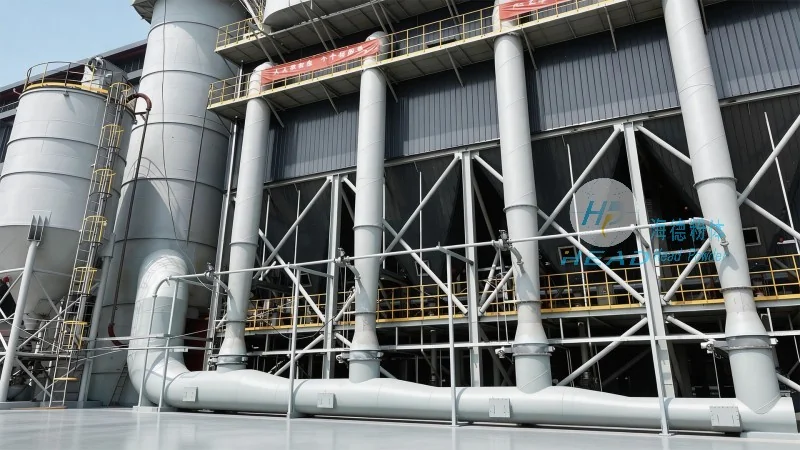
Safety is paramount when dealing with lithium-ion batteries, which can pose fire or explosion risks if mishandled. The pneumatic conveying system must incorporate multiple safety features to mitigate these hazards. This includes explosion-proof air compressors, flame arrestors, and pressure relief valves to prevent the buildup of flammable gases. Additionally, the system should be equipped with monitoring devices to detect abnormal pressure or temperature changes, triggering an automatic shutdown if necessary. Compliance with international safety standards, such as those from the International Electrotechnical Commission (IEC) and the National Fire Protection Association (NFPA), is also a key consideration. HeadPowder ensures that all systems are designed and manufactured to meet these standards, providing clients with peace of mind and regulatory compliance.
Integration with Manufacturing Processes
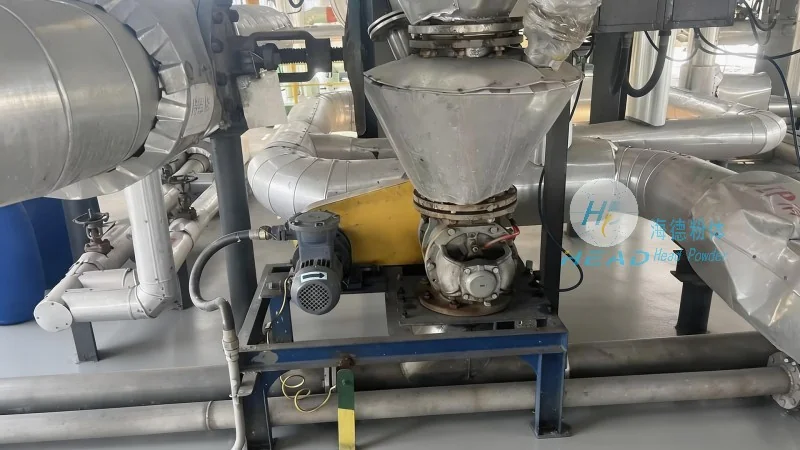
A lithium-ion battery pneumatic conveying system is often part of a larger manufacturing or recycling process. Therefore, its design must integrate seamlessly with existing equipment and workflows. This involves coordinating with other machinery, such as battery cell formers, packers, or recycling equipment, to ensure smooth material transfer. The system should be capable of handling varying batch sizes and production rates, with the ability to adjust conveying speed or capacity as needed. HeadPowder works closely with clients to understand their production schedules and process requirements, designing systems that enhance overall operational efficiency and reduce downtime.
Maintenance and Longevity of the System
Proper maintenance is essential to ensure the long-term performance and reliability of a pneumatic conveying system. Regular cleaning of the conveying lines and hoppers is necessary to prevent material buildup, which can lead to blockages or increased wear on components. HeadPowder recommends implementing a preventive maintenance schedule that includes inspections of air compressors, filters, and other critical parts. The use of high-quality materials and components also contributes to the system's longevity. For example, stainless steel components are more resistant to corrosion and wear compared to other materials, reducing the need for frequent replacements. By investing in a well-designed and maintained system, manufacturers can extend the operational life of their equipment and minimize maintenance costs.




