HeadPowder Engineering, a leading provider of industrial solutions, specializes in the design and implementation of pneumatic conveying systems tailored for silage material handling. This article outlines key design considerations to ensure efficient and reliable operation of such systems.
Understanding Silage Material Characteristics
Silage, a fermented forage used in livestock feeding, presents unique challenges for material handling due to its high moisture content, fibrous structure, and variable particle size. Proper characterization of these properties is essential for selecting the appropriate pneumatic conveying system. Factors such as moisture level, bulk density, and flowability directly impact system performance, including pressure drop, air consumption, and equipment wear. HeadPowder Engineering conducts thorough material analysis to tailor system designs that optimize efficiency and longevity.
System Design Components and Their Role
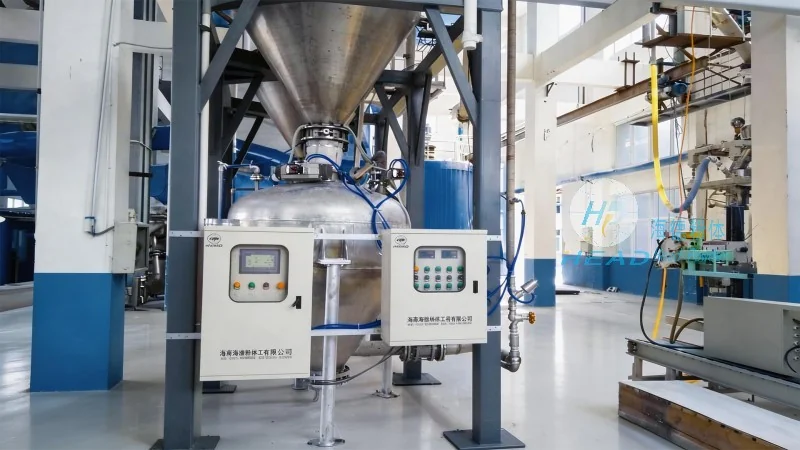
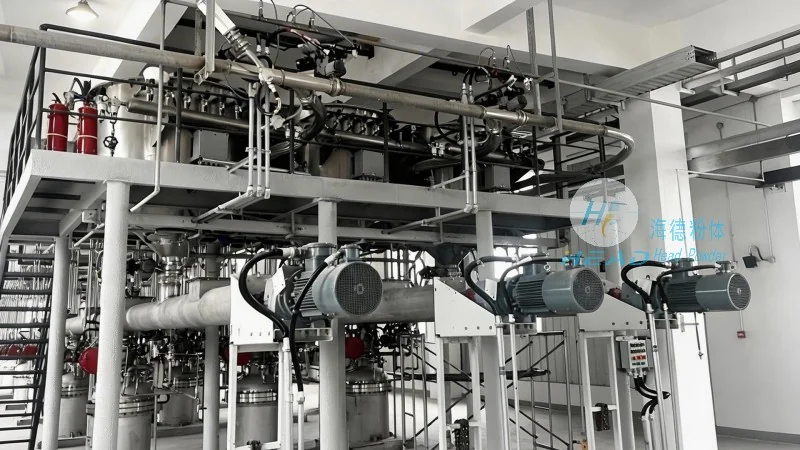
A pneumatic conveying system for silage typically consists of several critical components, each playing a vital role in the overall operation. These include the hopper or storage silo for material feeding, a rotary valve or feeder to control material flow, a conveying line (usually with bends and elbows), a dust collector or filter to manage airborne particles, and a silo or storage tank at the discharge end. The selection of each component is influenced by the specific characteristics of the silage and the required conveying distance. For example, the hopper design must accommodate the material's bulk density and prevent bridging or segregation, while the feeder must ensure consistent flow to maintain system pressure. HeadPowder Engineering’s expertise lies in matching these components to achieve seamless material transfer with minimal energy consumption.
Airflow and Pressure Considerations
Effective pneumatic conveying relies on precise control of airflow and pressure within the system. The choice between positive and negative pressure systems depends on the application and material properties. Positive pressure systems, where air is blown through the line, are common for short distances and low to moderate material loads. Negative pressure systems, where air is drawn through the line, are preferred for longer distances or when handling dusty materials. The air velocity in the conveying line must be sufficient to lift and transport the silage particles without causing excessive wear on the system components. HeadPowder Engineering uses advanced computational fluid dynamics (CFD) simulations to model airflow patterns and optimize pressure drop, ensuring that the system operates within safe and efficient parameters.
Material Handling and Equipment Durability
Silage is abrasive and can cause significant wear on conveying components, particularly the conveying line and rotary valve. Therefore, selecting materials with high wear resistance, such as stainless steel or specialized alloys, is crucial for extending equipment lifespan. The design of the hopper and feeder must also prevent material buildup and ensure smooth flow to avoid blockages. HeadPowder Engineering incorporates wear-resistant coatings and robust construction in its systems to minimize maintenance costs and downtime. Regular maintenance, including cleaning and inspection of components, is also recommended to maintain optimal performance.
Environmental and Safety Measures
Handling silage involves considerations for dust control and environmental impact. Silage is a fine, powdery material that can generate significant airborne dust, which may affect air quality and worker health. The system must include a dust collection system to capture and filter the particles, ensuring compliance with environmental regulations. Additionally, safety measures such as explosion-proof designs and proper ventilation are essential to protect personnel and equipment. HeadPowder Engineering’s systems are designed with these factors in mind, incorporating features like dust filters and safety interlocks to maintain a safe working environment.
Integration with Existing Infrastructure
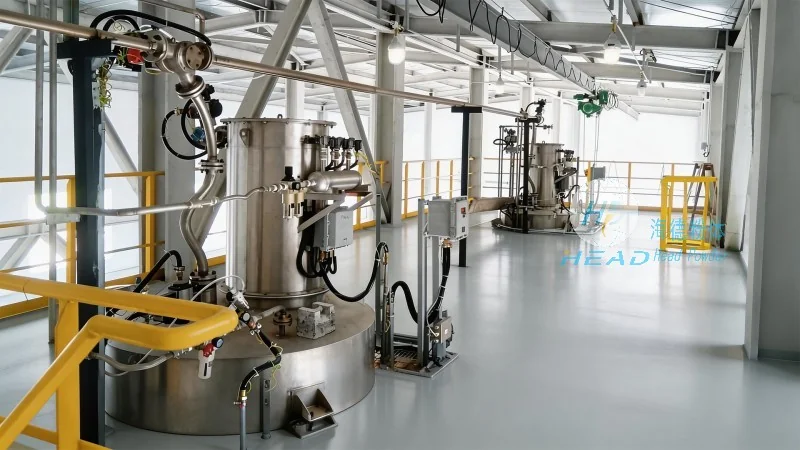
Many agricultural facilities already have silage storage and handling infrastructure. HeadPowder Engineering specializes in integrating new pneumatic conveying systems with existing equipment, ensuring compatibility and minimal disruption to operations. This may involve modifying existing hoppers or silos to accommodate the new system or designing a system that connects seamlessly to the current setup. The company’s engineers work closely with clients to assess the existing infrastructure and develop a customized solution that maximizes efficiency and reduces installation time.
Conclusion
Designing a pneumatic conveying system for silage requires a comprehensive understanding of material properties, system components, and operational requirements. HeadPowder Engineering, with its expertise in industrial engineering and material handling, provides tailored solutions that address the unique challenges of silage material. By considering factors such as airflow, equipment durability, and environmental safety, the company ensures that its systems deliver reliable and efficient performance. For agricultural operations seeking to optimize their silage handling processes, HeadPowder Engineering offers a trusted partner in system design and implementation.




