When designing a bauxite pneumatic conveying system, several critical factors must be considered to ensure optimal performance, reliability, and cost-effectiveness. Bauxite, a key raw material in aluminum production, presents unique challenges due to its particle size, density, and moisture content. A well-engineered system not only enhances material handling efficiency but also minimizes operational risks and maintenance costs. This article explores essential design considerations for bauxite pneumatic conveying systems, with a focus on practical solutions and industry best practices.
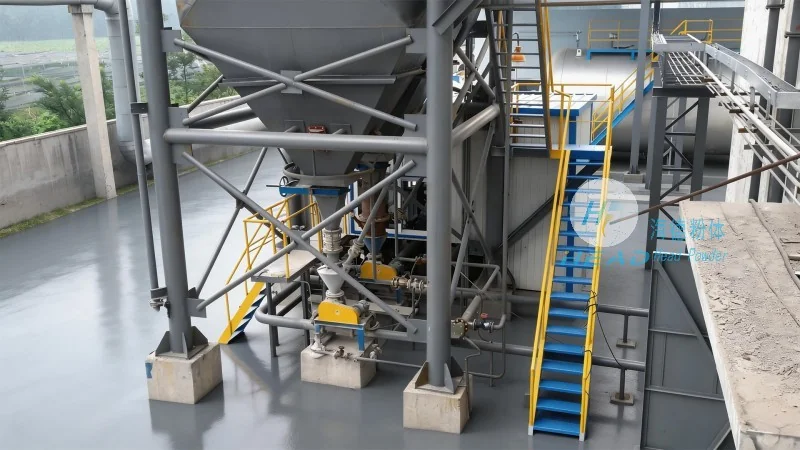
Key Design Considerations for Efficient Bauxite Handling
Effective bauxite pneumatic conveying system design begins with a thorough understanding of the material's physical properties. Bauxite particles typically range from fine powders to coarse lumps, with varying moisture levels that can affect flowability and system pressure. The system's design must accommodate these variations to prevent blockages, erosion, or excessive energy consumption. Key considerations include the selection of appropriate air velocities, duct sizing, and material feed mechanisms. Additionally, the system's layout—whether horizontal, vertical, or a combination—must be optimized to minimize pressure drops and ensure consistent material transport.
Material Characteristics and Their Impact on System Performance
The particle size distribution of bauxite is a primary determinant of system performance. Fine particles tend to create higher friction losses and require higher air velocities to maintain flow, while larger particles may cause wear on system components. Moisture content is another critical factor, as it can lead to clumping or increased dust generation. Engineers must account for these characteristics by selecting materials for ducts and components that resist corrosion and abrasion. For example, stainless steel or high-grade alloys are often preferred for wet or abrasive bauxite applications to extend equipment lifespan and reduce maintenance frequency.
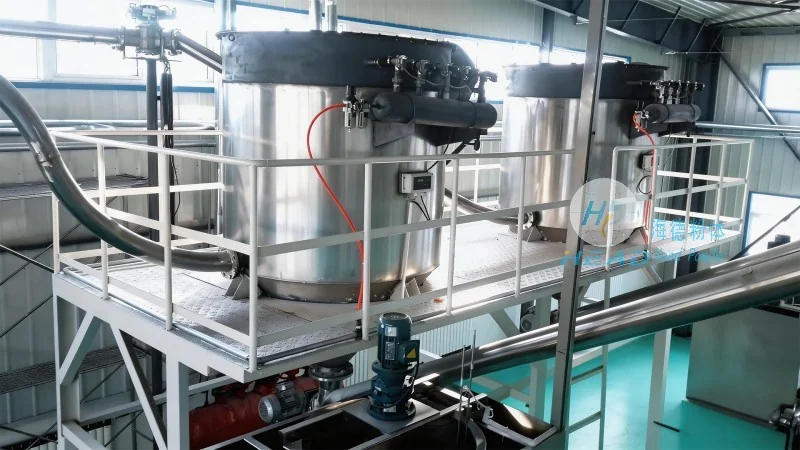
Equipment Selection and Component Integration
Component selection is a critical step in system design. The air compressor, which provides the necessary pressure and flow, must be matched to the system's capacity and pressure requirements. Centrifugal or positive displacement compressors are common choices, each with advantages depending on the application. The ductwork, including elbows, bends, and straight sections, must be sized to maintain optimal air velocity and minimize pressure losses. Properly designed elbows and bends reduce turbulence and prevent particle deposition, which can lead to system inefficiencies. Additionally, material feeders, such as rotary valves or screw conveyors, must be selected to handle the specific bauxite characteristics, ensuring consistent material flow and preventing surges or blockages.
System Sizing and Flow Rate Optimization
System sizing involves calculating the required air volume and pressure based on the material's flow rate and the system's length and complexity. The flow rate is determined by the production capacity and the desired throughput, while the system length includes horizontal and vertical components. Engineers use computational fluid dynamics (CFD) and empirical formulas to model airflow and pressure drops, ensuring that the system operates within safe and efficient parameters. Proper sizing prevents overloading the compressor and reduces energy consumption, which is a significant operational cost. For bauxite systems, where material density and particle size vary, iterative testing and adjustments are often necessary to achieve optimal performance.
Safety and Environmental Considerations in Bauxite Conveying
Safety and environmental considerations are paramount in bauxite pneumatic conveying systems. Dust control is a critical concern, as bauxite dust can be hazardous to workers and the environment. Proper filtration systems, such as cyclones or baghouses, must be integrated to capture and collect dust, ensuring compliance with occupational health and environmental regulations. Additionally, the system must be designed to prevent explosions, especially in areas where flammable materials are present. Explosion-proof components and venting systems are essential to mitigate risks. Environmental factors, such as noise pollution from compressors and the impact of system operation on local ecosystems, must also be addressed through soundproofing and proper site planning.
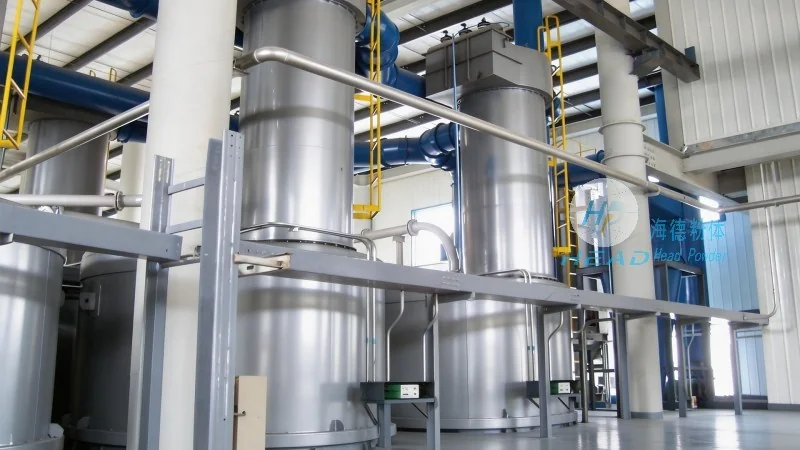
Case Study: Successful Implementation by Shandong HeadPowder Engineering Co., Ltd.
Shandong HeadPowder Engineering Co., Ltd., a leading provider of material handling solutions, has successfully implemented bauxite pneumatic conveying systems for several aluminum production facilities. One project involved designing a system for a bauxite mine in China, where the material had high moisture content and coarse particle sizes. The company's engineers conducted a thorough analysis of the material properties and system requirements, selecting a combination of horizontal and vertical ductwork with stainless steel construction to resist corrosion. The system was sized to handle 500 tons per hour, with a compressor rated at 150 kW, ensuring efficient material transport while minimizing energy consumption. The project resulted in a 20% reduction in maintenance costs and a 15% increase in throughput compared to traditional belt conveyors. This case study highlights the importance of tailored design and expert engineering in achieving optimal bauxite handling performance.
Conclusion: Ensuring Long-Term Reliability and Efficiency
Designing a bauxite pneumatic conveying system requires a comprehensive approach that considers material characteristics, equipment selection, system sizing, and safety regulations. By addressing these factors, engineers can create systems that are efficient, reliable, and cost-effective. The integration of advanced technologies, such as CFD modeling and material analysis, further enhances system performance and longevity. For industries relying on bauxite as a key raw material, investing in well-designed pneumatic conveying systems is essential to maintain production efficiency and reduce operational risks. With the expertise of companies like Shandong HeadPowder Engineering Co., Ltd., bauxite handling can be optimized to meet the demands of modern aluminum production.




