When designing a pneumatic conveying system for sodium hydroxide, several critical factors must be considered to ensure efficient, safe, and reliable operation. The process of pneumatic conveying involves transporting bulk materials like sodium hydroxide through a pipeline using air or other gases. Proper system design is essential to handle the unique properties of sodium hydroxide, which includes its reactivity, moisture sensitivity, and handling requirements. This article outlines key design considerations for such systems, emphasizing the importance of material compatibility, system pressure, and equipment selection.
Key Design Considerations for Sodium Hydroxide Pneumatic Conveying
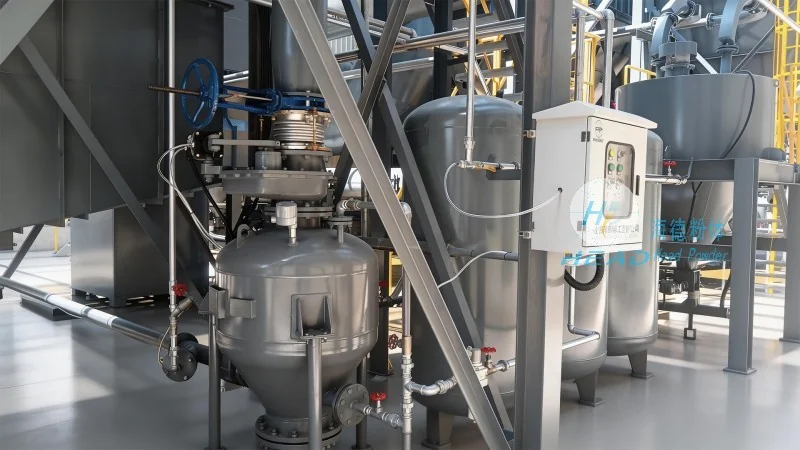
One of the primary considerations in designing a sodium hydroxide pneumatic conveying system is material compatibility. Sodium hydroxide is a highly caustic substance that can aggressively corrode metal components if not properly managed. To mitigate this risk, the system's piping, valves, and other components must be constructed from materials resistant to caustic chemicals, such as stainless steel (specifically 316L or higher grades) or specialized alloys. Additionally, the use of corrosion-resistant coatings on internal surfaces can further extend the system's lifespan and maintain operational integrity.
System pressure is another critical factor. The pressure within the conveying line must be carefully controlled to prevent excessive wear on components and to ensure the material is transported efficiently without causing blockages or damage. The choice of pressure (e.g., low, medium, or high-pressure systems) depends on the distance to be covered, the material's bulk density, and the required flow rate. For sodium hydroxide, a medium-pressure system is often preferred, as it balances efficiency with the need to minimize stress on equipment while maintaining adequate material movement. Low-pressure systems are suitable for short distances and low flow rates, where the material can be conveyed gently without causing excessive friction. High-pressure systems, on the other hand, are used for longer distances or when dealing with more abrasive materials, but they require more robust equipment and higher energy consumption. The selection of the appropriate pressure level is crucial to optimize the system's performance and reduce operational costs.
Equipment selection is also vital. The conveyor's components, including the feeders, cyclones, and dust collectors, must be designed to handle the abrasive and corrosive nature of sodium hydroxide. Feeders, such as rotary valves or screw feeders, should be equipped with wear-resistant liners and seals to prevent material leakage and maintain a consistent flow. Cyclones and dust collectors must be constructed from corrosion-resistant materials and designed to handle the fine particles and moisture associated with sodium hydroxide, ensuring effective separation and collection of the conveyed material.
HeadPowder Engineering: Expertise in Sodium Hydroxide Pneumatic Conveying Systems
Shandong HeadPowder Engineering Co., Ltd. specializes in the design, manufacturing, and installation of advanced pneumatic conveying systems tailored to the unique needs of sodium hydroxide handling. With years of experience in the chemical processing industry, HeadPowder has developed a deep understanding of the challenges associated with transporting caustic materials like sodium hydroxide. The company's team of engineers leverages cutting-edge technology and industry best practices to create customized solutions that meet the specific requirements of each client, whether for small-scale laboratory applications or large-scale industrial operations.
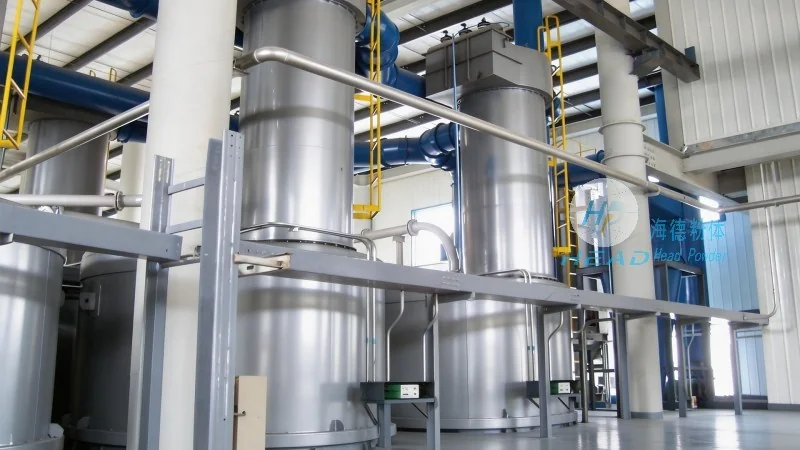
HeadPowder's commitment to quality and safety is evident in every aspect of their system design. The company adheres to international standards and regulations, ensuring that all components are manufactured to the highest specifications and tested for performance and durability. This approach not only enhances the reliability of the system but also reduces maintenance costs and downtime for clients. By partnering with HeadPowder, businesses can benefit from expert guidance in selecting the most suitable materials and equipment for their sodium hydroxide pneumatic conveying needs, ultimately improving operational efficiency and reducing operational risks.
Material Handling and Process Integration
Effective integration of the pneumatic conveying system with the overall production process is another key consideration. The system must be designed to seamlessly connect with existing storage, mixing, and processing equipment. This includes proper alignment of feed points, discharge points, and control mechanisms to ensure smooth material flow and minimize disruptions. For sodium hydroxide, which is often used in chemical reactions or as a reagent, the conveying system must be integrated with the process control system to allow for precise dosing and monitoring of the material's flow rate and concentration.
Process control is essential for maintaining consistent performance and preventing issues such as overloading or underloading of the system. Sensors and control valves can be incorporated into the design to monitor pressure, flow rate, and material level, providing real-time feedback to operators and enabling automated adjustments as needed. This level of automation not only improves operational efficiency but also enhances safety by reducing the risk of human error during material handling.
Environmental and Safety Considerations
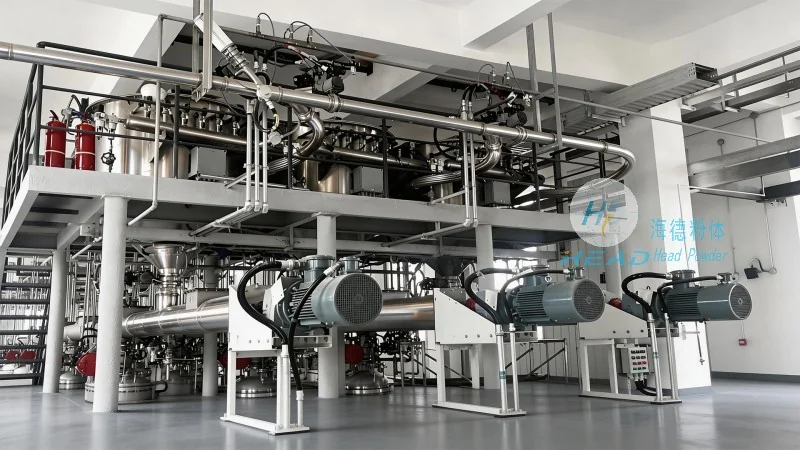
Environmental and safety considerations are paramount when designing a sodium hydroxide pneumatic conveying system. Sodium hydroxide is a hazardous material that can cause severe burns and environmental damage if not handled properly. The system must be designed to minimize the risk of leaks, spills, or emissions that could harm workers or the surrounding environment. This includes the use of sealed components, proper ventilation systems, and emergency shutdown procedures.
Additionally, the system should be equipped with dust collection and filtration systems to capture any airborne particles and prevent their release into the environment. The use of high-efficiency particulate air (HEPA) filters or other advanced filtration technologies can ensure that the air discharged from the system is clean and compliant with environmental regulations. Safety features such as pressure relief valves, emergency stop buttons, and interlocks should also be incorporated to protect personnel and equipment from potential hazards.
Maintenance and Longevity
Proper maintenance is critical to ensure the long-term performance and reliability of a sodium hydroxide pneumatic conveying system. The system should be designed with easy access to components for inspection, cleaning, and replacement. Regular maintenance schedules should be established to check for wear and tear, corrosion, and other issues that could affect system performance. This includes routine inspections of piping, valves, and equipment, as well as replacement of worn parts and lubrication of moving components.
Using high-quality, corrosion-resistant materials and components from the outset can significantly extend the system's lifespan and reduce long-term maintenance costs. HeadPowder Engineering, with its expertise in material selection and system design, can provide guidance on choosing the most durable and cost-effective components for sodium hydroxide handling applications. By investing in a well-designed and well-maintained system, businesses can ensure consistent operation, minimize downtime, and achieve optimal performance over the system's service life.




