Cement dry ash pneumatic conveying systems are critical components in industrial processes, particularly in the cement and related manufacturing sectors. The efficient design and implementation of such systems directly impact operational efficiency, material handling costs, and overall plant performance. As a leading engineering firm, Shandong HeadPowder Engineering Co., Ltd. (commonly known as HeadPowder) specializes in the design and optimization of these systems, ensuring they meet the stringent requirements of modern industrial applications.
Key Design Considerations for Pneumatic Conveying Systems
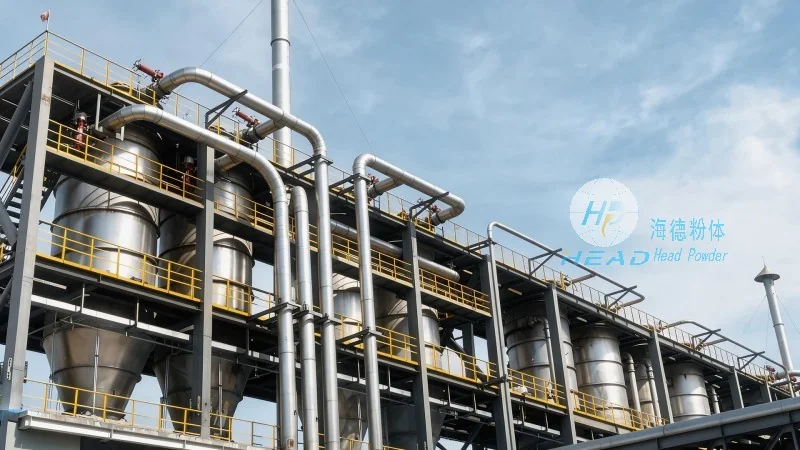
When designing a cement dry ash pneumatic conveying system, several critical factors must be carefully evaluated to ensure optimal performance and longevity. These considerations encompass material properties, system configuration, and operational parameters. The first step involves a thorough analysis of the material being conveyed, including its particle size distribution, moisture content, and flow characteristics. For cement dry ash, which typically consists of fine particles, the system must be designed to handle high dust loads and maintain consistent flow rates. HeadPowder engineers employ advanced computational fluid dynamics (CFD) and material testing to characterize the material's behavior under pneumatic transport conditions.
System configuration is another pivotal aspect. The choice between positive and negative pressure systems, as well as the selection of appropriate pipeline diameters and lengths, directly influences system efficiency. Positive pressure systems, where air is blown through the pipeline, are often preferred for long-distance conveying due to their ability to handle larger particles and higher material loads. Conversely, negative pressure systems, which draw material into the pipeline using suction, are suitable for shorter distances and applications requiring minimal dust emissions. The design must also account for the number of bends, elbows, and transitions, as these can significantly affect pressure drop and energy consumption. HeadPowder's expertise lies in optimizing pipeline layouts to minimize pressure losses while ensuring smooth material flow.
Material Handling and Equipment Selection
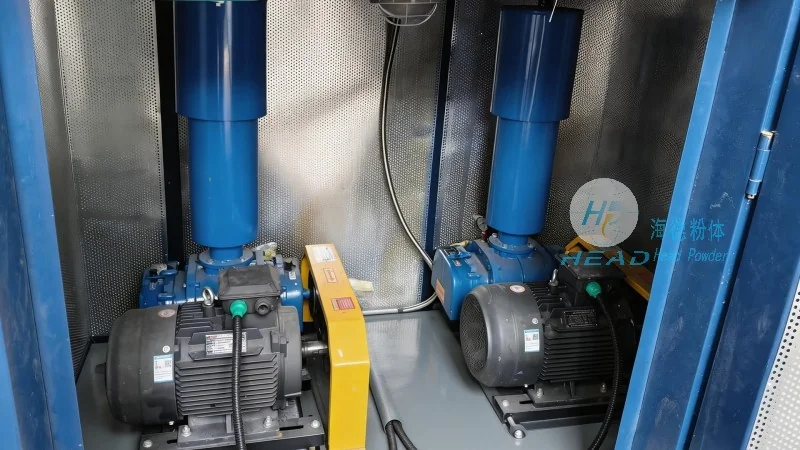
The selection of appropriate equipment is paramount to the success of a pneumatic conveying system. Key components include feeders, air movers (blowers or fans), filters, and control systems. For cement dry ash, which is highly abrasive and can cause wear on equipment, the choice of materials for components such as feed hoppers, pipelines, and cyclones is critical. HeadPowder recommends using corrosion-resistant and wear-resistant materials, such as stainless steel or special alloys, to extend equipment lifespan and reduce maintenance costs. The feeder system must be designed to provide a consistent feed rate, preventing surges or blockages that could lead to system failure. Variable frequency drives (VFDs) are often integrated into feeder mechanisms to adjust feed rates dynamically based on process demands.
Air movers are another critical component, as they provide the necessary pressure to transport material. The selection of a suitable blower or fan depends on the system's required pressure and flow rate. High-efficiency, low-noise blowers are preferred to minimize energy consumption and noise pollution. HeadPowder engineers conduct detailed calculations to determine the appropriate air volume and pressure, ensuring the system operates within optimal parameters. Additionally, the inclusion of dust collection and filtration systems is essential to comply with environmental regulations and maintain air quality. These systems help capture fine particles and prevent their release into the environment, enhancing both safety and compliance.
System Integration and Control
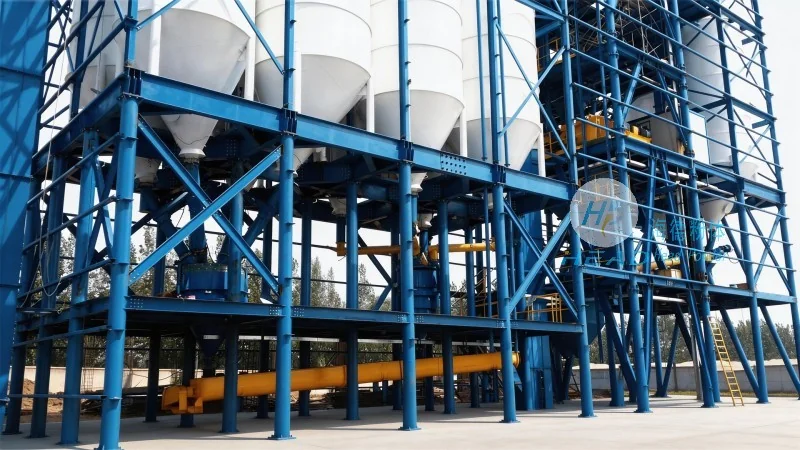
Effective integration of the pneumatic conveying system with the overall plant operations is essential for seamless performance. This involves coordinating with other process equipment, such as storage silos, mixers, and packaging units. HeadPowder emphasizes the importance of a centralized control system that allows for real-time monitoring and adjustment of conveying parameters. Modern control systems utilize sensors and automation technology to detect changes in material flow, pressure, and temperature, enabling immediate corrective actions. This proactive approach minimizes downtime and ensures consistent product quality. The control system should also include safety features, such as pressure relief valves and emergency shut-off mechanisms, to protect personnel and equipment from potential hazards.
Another critical aspect of system integration is the consideration of space constraints and layout. The design must accommodate the physical space available, ensuring that pipelines and equipment are installed in a manner that facilitates maintenance and access. HeadPowder's engineers work closely with clients to develop space-efficient layouts that optimize material flow while minimizing the footprint of the system. This approach is particularly important in existing facilities where space is limited. Additionally, the system must be designed to integrate with existing infrastructure, such as electrical and pneumatic networks, to avoid costly modifications and delays.
Maintenance and Longevity
Proper maintenance is crucial to the long-term performance and reliability of a cement dry ash pneumatic conveying system. Regular inspections and maintenance procedures help identify and address potential issues before they escalate into major problems. HeadPowder recommends a preventive maintenance schedule that includes routine checks of equipment components, such as bearings, seals, and filters. The system should also be equipped with monitoring tools that provide real-time data on performance metrics, allowing for early detection of wear or degradation. By implementing a proactive maintenance strategy, clients can extend the lifespan of their equipment, reduce downtime, and lower overall operational costs.
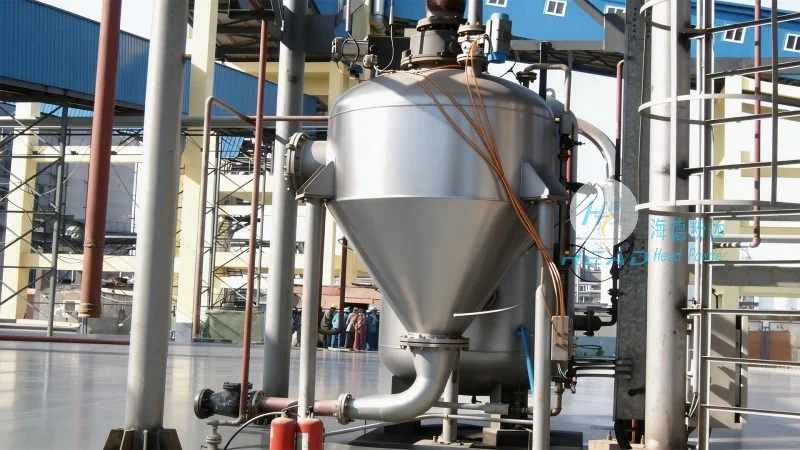
Wear and corrosion are common challenges in pneumatic conveying systems, especially when handling abrasive materials like cement dry ash. HeadPowder's design solutions include the use of wear-resistant linings and coatings on pipelines and equipment to mitigate damage. Additionally, the system should be designed with easy access points for maintenance, allowing technicians to inspect and replace components without extensive disassembly. This design philosophy enhances the system's longevity and reduces maintenance time and costs. Regular cleaning and maintenance of filters and cyclones are also essential to prevent clogging and ensure efficient operation.
Conclusion
In conclusion, the design of a cement dry ash pneumatic conveying system requires a comprehensive approach that considers material properties, system configuration, equipment selection, and operational integration. Shandong HeadPowder Engineering Co., Ltd. leverages its expertise in engineering and material science to provide tailored solutions that meet the specific needs of each client. By focusing on efficiency, reliability, and compliance, HeadPowder ensures that its pneumatic conveying systems deliver optimal performance and contribute to the overall success of industrial operations. With a commitment to quality and innovation, HeadPowder remains a trusted partner for businesses seeking to enhance their material handling capabilities.




