When designing a pneumatic conveying system for masterbatch pellets, several critical factors must be considered to ensure efficient operation, reliability, and cost-effectiveness. Masterbatch pellets are commonly used in the plastic and rubber industries as colorants and additives, and their handling requires specialized equipment to maintain quality and prevent degradation. This article outlines key design considerations for such systems, focusing on the technical aspects and practical applications.
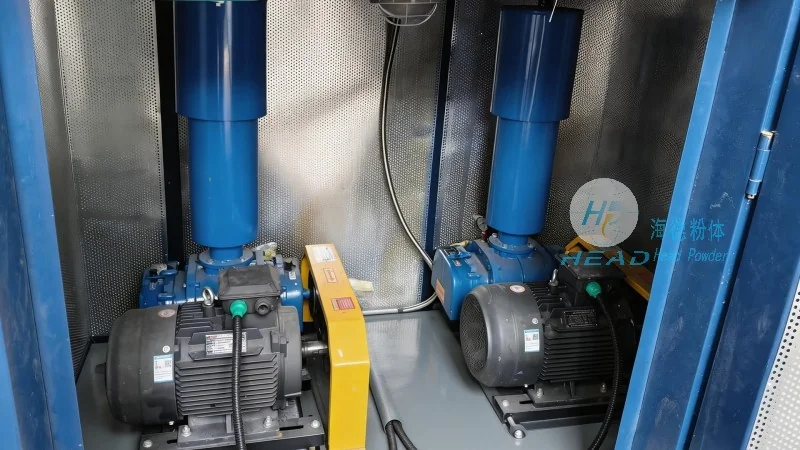
System Selection and Material Characteristics
The first step in designing a pneumatic conveying system is to evaluate the properties of the masterbatch pellets. Key characteristics include particle size, density, moisture content, and flowability. These factors directly impact the choice of conveying method—whether it's a dilute phase, dense phase, or hybrid system. For example, fine or cohesive pellets may require a dense phase system to prevent particle segregation and ensure uniform flow. The system designer must also consider the material's abrasiveness, as this affects the wear on components like pipes, valves, and pumps. By understanding these material properties, engineers can select the most suitable conveying technology and components to minimize operational issues.
Component Selection and Material Compatibility
Component selection is a critical aspect of system design, as it directly influences the system's lifespan and maintenance costs. All components, including the hopper, feeder, pipeline, and receiver, must be compatible with the masterbatch pellets to avoid chemical reactions or material degradation. For instance, if the pellets contain acidic or alkaline additives, the material of construction for the hopper and feeder (e.g., stainless steel, PTFE-coated parts) must be chosen to prevent corrosion. The pipeline material is also crucial; for abrasive pellets, high-grade steel or wear-resistant liners are recommended to extend the system's service life. Additionally, the choice of valves—such as rotary valves, slide gates, or butterfly valves—depends on the material's flow characteristics. Proper component selection ensures smooth operation and reduces downtime due to component failure.
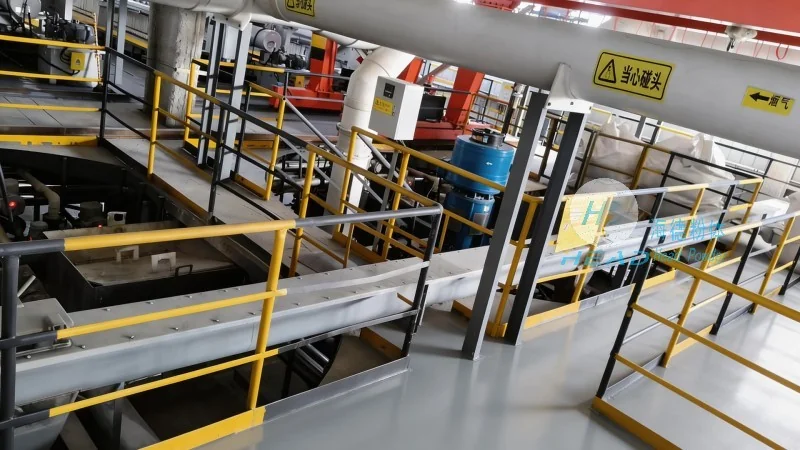
Pressure and Flow Rate Optimization
Optimizing pressure and flow rate is essential for efficient pneumatic conveying. The system must maintain sufficient pressure to overcome resistance in the pipeline and ensure consistent material flow. The pressure level is determined by the conveying distance, pipeline diameter, and material characteristics. For long-distance conveying, higher pressure systems (e.g., positive displacement blowers or high-pressure compressors) are often required to maintain flow rates and prevent particle deposition. Flow rate optimization involves balancing the material's velocity with the pipeline's capacity to avoid excessive wear or particle degradation. Engineers must also consider the effect of pressure variations on the system's performance, as fluctuations can lead to inconsistent material delivery. By carefully calibrating pressure and flow rate, the system can operate at peak efficiency, reducing energy consumption and operational costs.
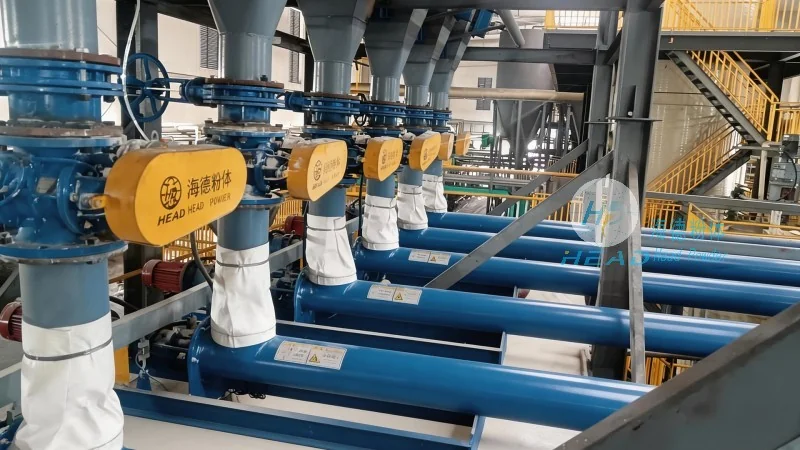
Preventing Material Degradation and Contamination
Masterbatch pellets are sensitive to environmental factors, and the conveying system must be designed to prevent degradation and contamination. Moisture is a major concern, as it can cause clumping or chemical reactions in the pellets. The system should include moisture control measures, such as drying the pellets before conveying or using sealed hoppers to prevent moisture ingress. Additionally, the system must be designed to avoid contamination from external sources, such as dust or foreign particles. This includes using sealed components, proper filtration, and regular maintenance to ensure the material remains pure. Degradation can also occur due to excessive friction or heat, so the system should minimize these factors by using smooth pipeline surfaces and controlling air velocity. By implementing these measures, the system can maintain the quality of the masterbatch pellets, ensuring consistent performance in downstream applications.
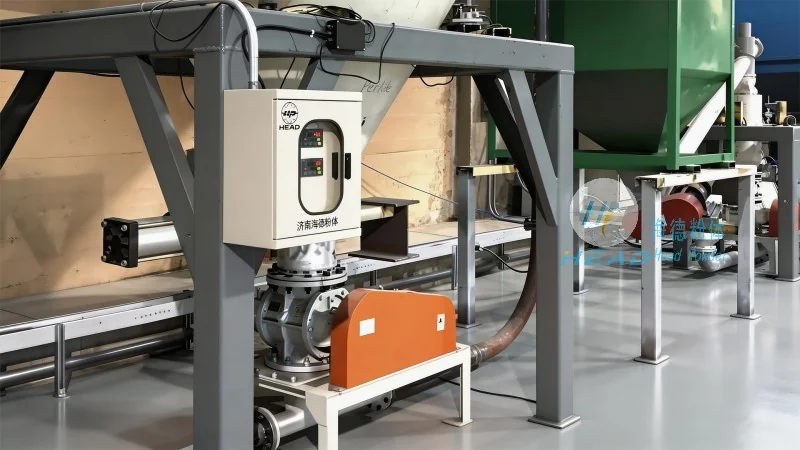
System Integration and Maintenance
Effective system integration and regular maintenance are vital for the long-term performance of pneumatic conveying systems. The system must be integrated with other processing equipment, such as mixers or extruders, to ensure seamless material flow. This includes coordinating the timing of material delivery with the processing schedule to avoid bottlenecks or overloading. Regular maintenance is also essential to prevent component wear and system failures. This includes inspecting pipelines for wear or blockages, checking the condition of valves and feeders, and replacing worn parts as needed. The system designer should also include maintenance access points and monitoring systems to facilitate routine checks. By integrating the system properly and maintaining it regularly, the system can operate reliably and efficiently over its lifespan.
Case Study: A Successful Implementation by Shandong HeadPowder Engineering Co., Ltd.
Shandong HeadPowder Engineering Co., Ltd., a leading manufacturer of pneumatic conveying systems, has successfully implemented a masterbatch pellet conveying system for a plastic manufacturing plant. The system was designed to handle 500 kg/h of masterbatch pellets over a distance of 200 meters, with a requirement for consistent flow and minimal degradation. The engineers at HeadPowder selected a dense phase system with a positive displacement blower, stainless steel pipelines, and wear-resistant liners. The system was integrated with the plant's existing mixing equipment, and moisture control measures were implemented to prevent clumping. After commissioning, the system achieved a flow rate of 480 kg/h with minimal pressure loss, and the masterbatch pellets remained free of contamination. The plant reported a 20% reduction in maintenance costs and improved product quality due to the consistent material delivery. This case study highlights the importance of proper system design and integration in achieving optimal performance for masterbatch pellet conveying systems.




