When designing a cement powder pneumatic conveying system, several critical factors must be considered to ensure efficient, reliable, and cost-effective operation. The system's performance is directly influenced by the selection of components, material properties, and operational parameters. This article outlines key design considerations that professionals in the industry should address when developing such systems.
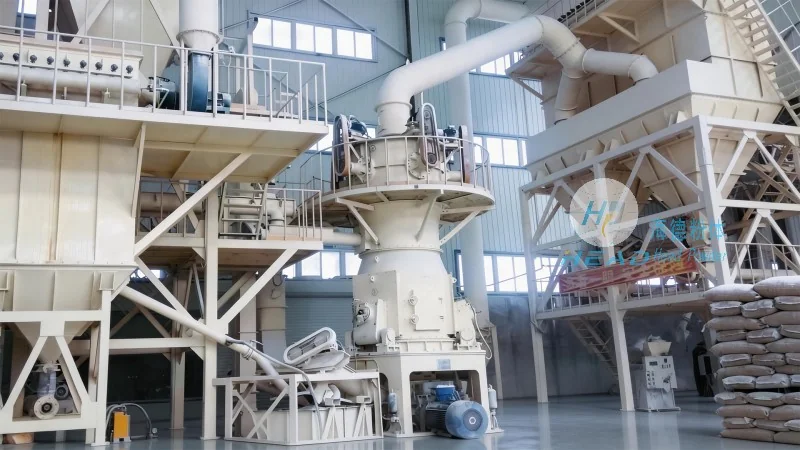
Key Design Considerations for Efficient Operation
One of the primary considerations is the choice of conveying method, which can be categorized into dilute phase or dense phase systems. Dilute phase systems use high air velocities to transport materials in a suspended state, while dense phase systems rely on lower velocities and higher pressure to move material in a slurry-like state. The selection depends on the material's characteristics, such as particle size, moisture content, and abrasiveness. For cement powders, dilute phase systems are often preferred due to their ability to handle fine particles and minimize blockages. However, dense phase systems may be necessary for materials with high moisture content or sticky properties.
Material Properties and Their Impact on System Design
The physical and chemical properties of the cement powder significantly affect system design. Particle size distribution, for example, determines the required air velocity and pressure to maintain a stable flow. Coarse particles may require higher air velocities to prevent settling, while fine particles can be more susceptible to dust formation and require proper filtration. Moisture content is another critical factor, as excess moisture can lead to caking and blockages in the pipeline. The system must be designed to handle the specific moisture levels of the cement, often incorporating drying or moisture control mechanisms to ensure consistent performance.
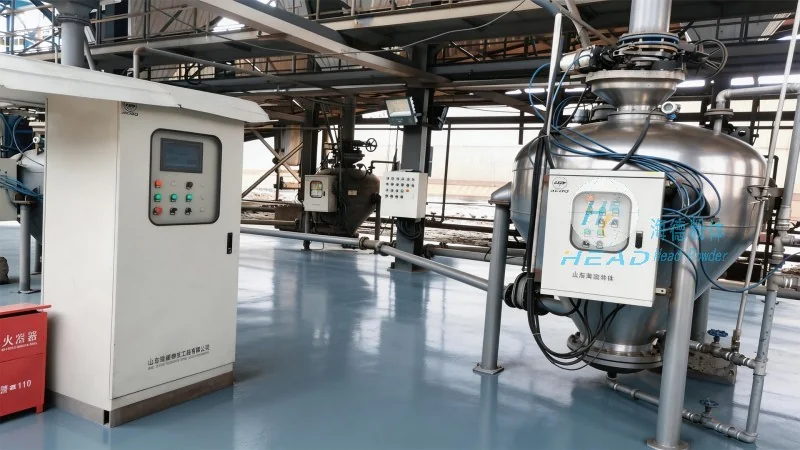
Component Selection and System Configuration
Component selection is a critical aspect of system design. The conveyor pipeline material must be chosen based on the material's abrasiveness and chemical compatibility. For cement, which is highly abrasive, materials like stainless steel or high-grade alloys are commonly used to extend the system's lifespan. The air compressor and blower must be selected to provide sufficient pressure and airflow to meet the system's requirements. Variable frequency drives (VFDs) can be integrated to adjust the airflow and pressure dynamically, optimizing energy consumption and system performance. Additionally, the system should include proper filtration and dust collection equipment to comply with environmental regulations and maintain air quality.
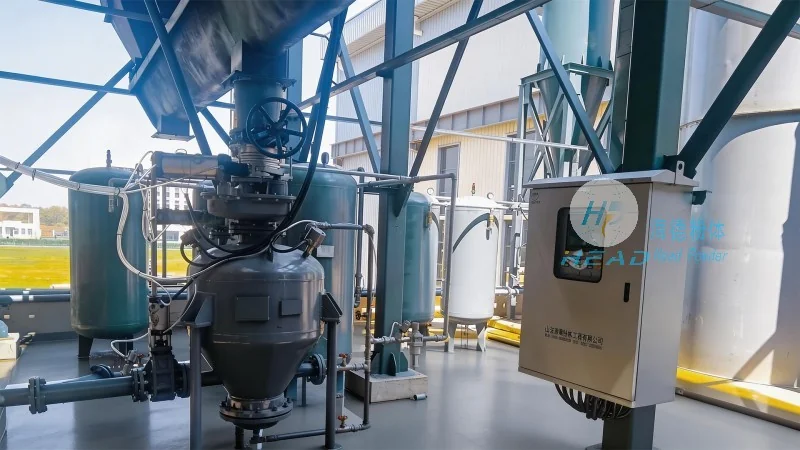
System Integration and Maintenance Considerations
Integration of the pneumatic conveying system with other processes, such as storage and mixing, is essential for overall plant efficiency. The system must be designed to interface seamlessly with existing infrastructure, minimizing downtime and operational disruptions. Regular maintenance is crucial to ensure long-term reliability. This includes routine checks of pipeline integrity, component wear, and air quality. Proper maintenance schedules can prevent costly breakdowns and extend the system's operational life. For example, regular cleaning of filters and pipelines can prevent clogging and maintain optimal airflow.
Case Study: Successful Implementation by Shandong HeadPowder Engineering Co., Ltd.
Shandong HeadPowder Engineering Co., Ltd., a leading provider of pneumatic conveying solutions, has successfully implemented numerous cement powder systems across various industries. Their expertise in material handling and system design has enabled them to deliver customized solutions that meet specific client needs. By considering the unique properties of each cement type and operational environment, they have developed systems that enhance productivity and reduce maintenance costs. Clients have reported improved material flow rates, reduced downtime, and lower energy consumption, demonstrating the effectiveness of their design approach.




