Steel sand pneumatic conveying technology represents a sophisticated method for transporting abrasive materials like steel sand through a pipeline system using compressed air. This technology is widely utilized in various industrial sectors due to its efficiency, flexibility, and ability to handle materials that are difficult to transport via traditional methods. The core principle involves creating a flow of air that carries the steel sand particles through the pipeline, ensuring reliable and continuous material transfer. Understanding the underlying principles of this technology is crucial for optimizing its application in different industrial settings. As a leading provider in this field, Shandong HeadPowder Engineering Co., Ltd. specializes in designing and manufacturing advanced pneumatic conveying systems tailored to the specific needs of industrial clients.
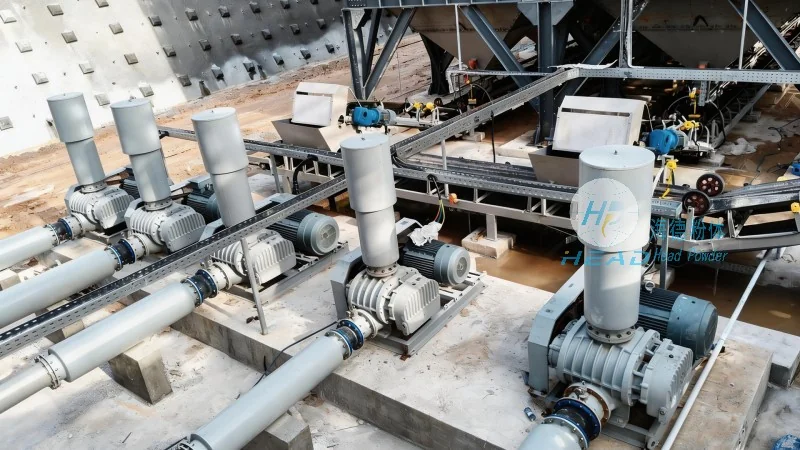
Principles of Pneumatic Conveying
The fundamental principle of pneumatic conveying is the use of air as a medium to transport solid particles. In the case of steel sand, the system typically operates under positive pressure or negative pressure, depending on the specific requirements of the application. Positive pressure systems use a blower to force air and material through the pipeline, while negative pressure systems use a vacuum to draw material into the system. The design of the conveying system, including the size and configuration of the pipeline, the type of air valves, and the placement of the material feed and discharge points, all play critical roles in determining the efficiency and effectiveness of the conveying process. The velocity of the air and the size of the steel sand particles are key factors that influence the performance of the system, as they affect the pressure drop along the pipeline and the risk of material deposition or blockage.
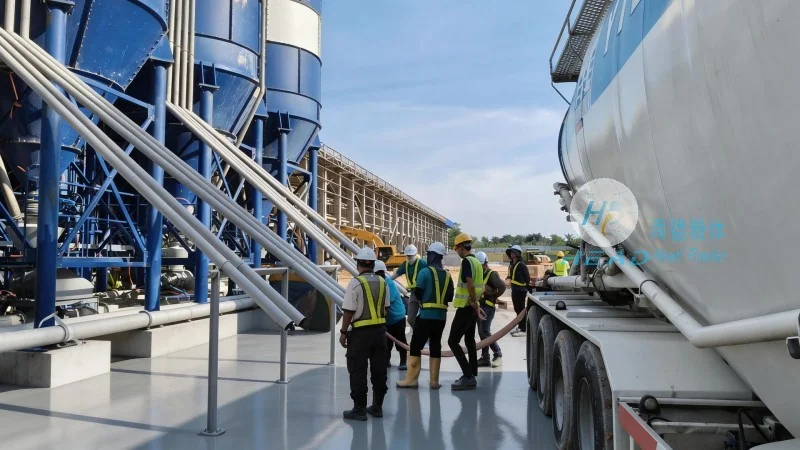
Applications in Industrial Settings
Steel sand pneumatic conveying technology finds extensive applications across multiple industries. In the foundry industry, it is commonly used for transporting steel sand from storage silos to molding machines, ensuring a consistent supply of material for the casting process. The abrasive nature of steel sand makes it challenging to handle with conventional equipment, and pneumatic conveying provides a solution that minimizes wear and tear on machinery. Additionally, in the construction and mining sectors, this technology is employed for the transport of sand and other granular materials, supporting processes such as concrete mixing and aggregate handling. The adaptability of the system allows it to be integrated into existing production lines, enhancing operational efficiency and reducing downtime caused by material handling issues.
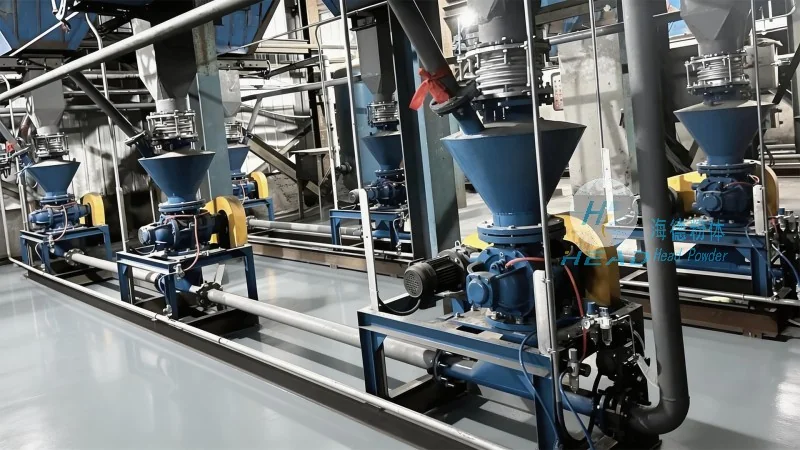
Key Components and System Design
The effectiveness of a steel sand pneumatic conveying system depends on several critical components. The air compressor or vacuum pump provides the necessary pressure or suction to move the material. The pipeline network, typically made of durable materials like stainless steel or special alloys to withstand the abrasive nature of steel sand, is designed with appropriate bends and fittings to minimize pressure loss and prevent material buildup. Air valves, including feed, discharge, and check valves, control the flow of material and air, ensuring smooth operation and preventing backflow. The material feed hopper is equipped with a feeder mechanism, such as a rotary valve or screw feeder, to regulate the flow of steel sand into the system. The discharge hopper or silo is designed to handle the material efficiently, often with a discharge valve to control the release of the sand. The system also includes monitoring and control equipment, such as pressure gauges and flow meters, to ensure optimal performance and detect any issues that may arise during operation.
Advantages and Challenges
Implementing steel sand pneumatic conveying technology offers several advantages. It provides a dust-free and enclosed system, reducing the risk of material contamination and improving workplace safety. The system is flexible, allowing for changes in the conveying route or capacity without major modifications. It also reduces the need for manual handling, minimizing labor costs and the risk of injuries. However, the technology also presents certain challenges. The abrasive nature of steel sand can cause wear and corrosion to the pipeline and components, requiring the use of high-quality materials and regular maintenance. The system may also experience pressure drops over long distances, necessitating the use of booster fans or vacuum pumps to maintain the required flow. Additionally, the cost of the initial setup and maintenance can be higher compared to traditional material handling methods, which may be a consideration for smaller operations.
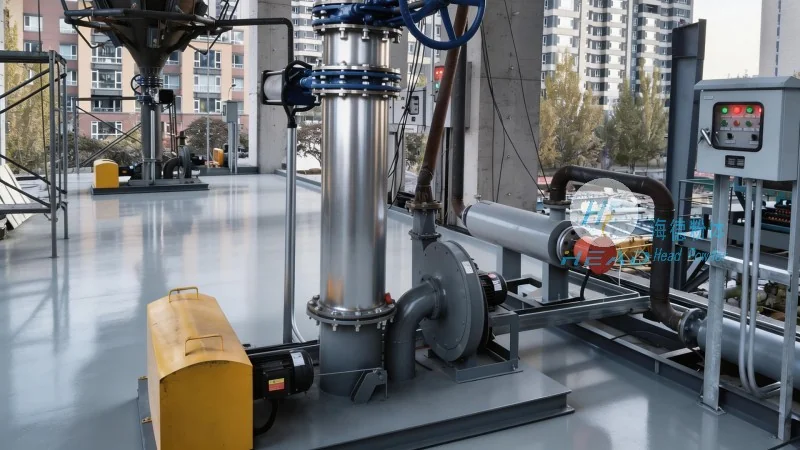
Development Trends and Future Prospects
The field of steel sand pneumatic conveying technology is continuously evolving, with several trends shaping its future. One significant trend is the development of more efficient and energy-saving systems. Advanced air compressors and vacuum pumps are being designed to operate with lower energy consumption, reducing operational costs. The use of intelligent control systems, including sensors and automation, is also increasing, allowing for real-time monitoring and optimization of the conveying process. Another trend is the integration of the technology with other industrial processes, such as automated molding and casting systems, to create more integrated and streamlined production lines. The adoption of materials with improved wear resistance, such as high-chrome alloys and composite materials, is also enhancing the durability of the conveying components. Furthermore, research is being conducted to develop more compact and portable systems, making them suitable for smaller-scale operations or on-site applications. These developments are expected to further enhance the efficiency, reliability, and cost-effectiveness of steel sand pneumatic conveying technology, making it an increasingly important solution for material handling in various industries.




