Pharmaceutical pneumatic conveying technology has become a critical component in modern pharmaceutical manufacturing, offering efficient and hygienic solutions for transporting bulk powders and granules. This technology involves the use of air or other gases to move materials through a pipeline system, ensuring minimal contamination and maintaining product integrity. As the pharmaceutical industry continues to evolve with increasing demands for precision, safety, and scalability, understanding the principles, applications, and future trends of pneumatic conveying is essential for stakeholders in the sector.
Principles of Pharmaceutical Pneumatic Conveying
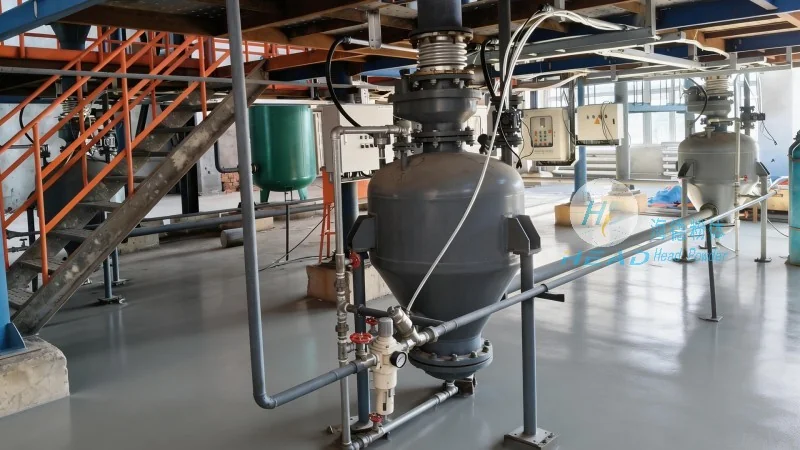
The core principle of pneumatic conveying in pharmaceutical applications is the transfer of material using a pressurized or vacuum system. There are two primary types of systems: positive pressure and negative pressure. Positive pressure systems use compressed air to push material through the pipeline, while negative pressure systems use vacuum to draw material from a hopper or silo. Both systems are designed to maintain a controlled environment, ensuring that the conveyed materials remain sterile and free from external contaminants. The choice between these systems depends on factors such as material properties, system layout, and operational requirements. For instance, positive pressure systems are often preferred for materials that are sensitive to moisture or require high-velocity transport, whereas negative pressure systems are suitable for applications where dust control and low noise are priorities.
Applications in Pharmaceutical Manufacturing
Pharmaceutical pneumatic conveying is widely used across various stages of drug production, from raw material handling to finished product packaging. One of the most common applications is the transport of active pharmaceutical ingredients (APIs) and excipients from storage silos to mixing and blending equipment. This process ensures that powders are moved in a closed system, preventing cross-contamination and maintaining batch traceability. Additionally, the technology is utilized in the transfer of finished dosage forms, such as tablets and capsules, from packaging lines to storage areas. The hygienic design of pneumatic conveying systems, including smooth surfaces, easy-to-clean components, and minimal dead zones, aligns with regulatory standards like cGMP (current Good Manufacturing Practice), making it a preferred choice for pharmaceutical manufacturers.
Key Considerations for System Design and Implementation
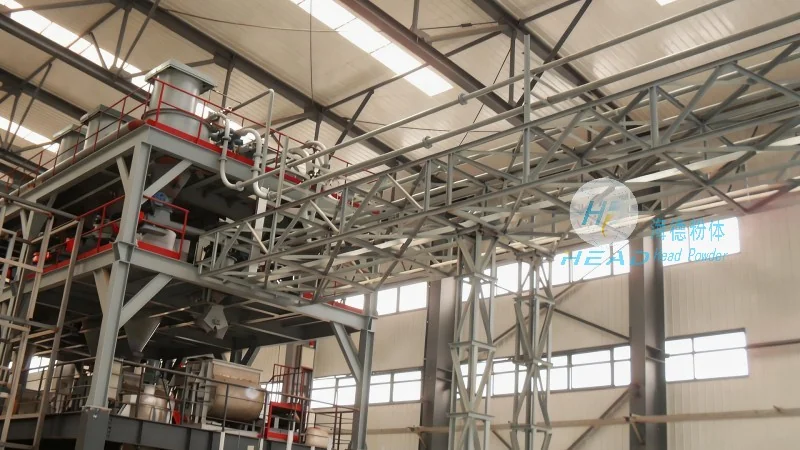
Implementing an effective pneumatic conveying system in pharmaceutical settings requires careful consideration of several factors. Material properties, such as particle size, density, and flowability, play a crucial role in determining the appropriate conveying velocity and system pressure. For example, cohesive or fine powders may require higher air velocities to prevent blockages, while bulkier materials can be conveyed at lower velocities with less energy consumption. System layout is another critical aspect, as the design must account for the distance between source and destination, elevation changes, and the need for multiple transfer points. Proper sizing of the pipeline, air compressor, and dust collection equipment is essential to ensure optimal performance and prevent system failures. Furthermore, the integration of monitoring and control systems allows for real-time tracking of material flow, pressure, and temperature, enabling operators to quickly address any issues and maintain process stability.
Advancements and Future Trends in Pneumatic Conveying Technology
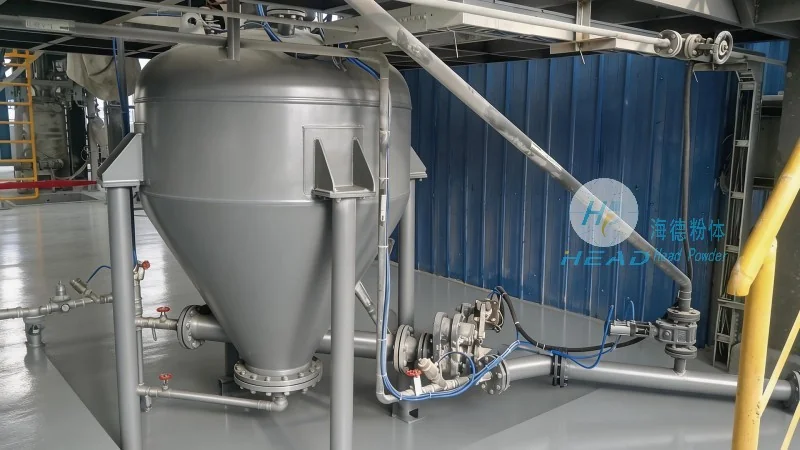
As the pharmaceutical industry continues to advance, so does the technology behind pneumatic conveying. Recent advancements focus on improving efficiency, reducing environmental impact, and enhancing automation. One notable trend is the development of hybrid systems that combine positive and negative pressure, offering flexibility in handling diverse materials. These hybrid systems can switch between modes based on operational needs, optimizing energy use and minimizing downtime. Another key development is the integration of smart sensors and IoT (Internet of Things) technologies, which enable predictive maintenance and real-time data analysis. By monitoring parameters like pressure drops, air flow, and material level, these systems can predict potential failures and schedule maintenance proactively, reducing unplanned downtime and increasing system reliability. Additionally, there is a growing emphasis on sustainable practices, with manufacturers adopting energy-efficient compressors and implementing recycling of exhaust air to minimize environmental footprint. The future of pharmaceutical pneumatic conveying is likely to see further integration of automation and artificial intelligence, leading to more intelligent, adaptive systems that can optimize performance based on real-time conditions.
Conclusion
Pharmaceutical pneumatic conveying technology remains a cornerstone of efficient and safe material handling in the pharmaceutical industry. By leveraging principles of air-based transport, manufacturers can achieve high levels of product integrity, operational efficiency, and regulatory compliance. As the industry continues to evolve, ongoing advancements in system design, automation, and sustainability will further enhance the capabilities of pneumatic conveying systems. For pharmaceutical companies seeking to improve their manufacturing processes, investing in well-designed and maintained pneumatic conveying systems is a strategic step toward meeting modern industry standards and ensuring long-term success. With a focus on precision, hygiene, and innovation, the technology will continue to play a vital role in the development and production of life-saving medications.




