When it comes to transporting polypropylene (PP) pellets in industrial settings, selecting the right conveying method is crucial for efficiency, cost-effectiveness, and material integrity. The choice of method depends on factors such as the volume of material, the distance to be covered, the environment, and the specific characteristics of the PP pellets. In this article, we explore the primary PP pellet conveying methods used by manufacturers and processors, with a focus on their applications and benefits.
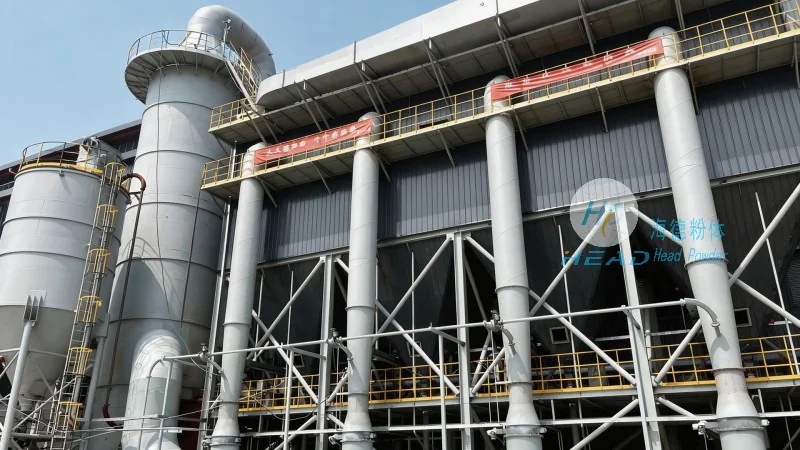
HeadPowder Engineering Co., Ltd., a leading provider of material handling solutions based in Shandong, China, specializes in designing and manufacturing systems tailored to the unique needs of PP pellet processing. With decades of experience in the industry, HeadPowder understands the importance of reliable conveying systems in maintaining production flow and minimizing downtime. The company’s expertise lies in integrating various conveying technologies to meet the demands of modern manufacturing.
1. Screw Conveyors for PP Pellet Transport
Screw conveyors, also known as auger conveyors, are among the most common and versatile methods for transporting PP pellets. These systems consist of a rotating helical screw inside a trough or tube, which moves the material from one point to another through gravity and the screw’s rotational force. Screw conveyors are particularly effective for horizontal or slightly inclined transport over short to medium distances, typically up to 30 meters. They are ideal for applications where the material needs to be elevated or moved through vertical sections, as the screw can handle both upward and downward movement.
For PP pellets, screw conveyors offer several advantages. They are compact, low-maintenance, and can operate in a wide range of environments, including dusty or wet conditions. The enclosed design of screw conveyors helps prevent contamination and loss of material, which is critical for maintaining the quality of PP pellets. Additionally, screw conveyors can be easily integrated with other processing equipment, such as hoppers, mixers, and extruders, making them a seamless part of the production line.
2. Pneumatic Conveying Systems for PP Pellets
Pneumatic conveying, or air-based transport, is another popular method for moving PP pellets, especially over longer distances or in environments where dust control is a priority. This system uses compressed air to transport the material through a pipeline. There are two main types of pneumatic conveying: dilute-phase and dense-phase. Dilute-phase systems use high-velocity air to suspend the pellets and move them through the pipe, while dense-phase systems use lower air velocity and higher material concentration to ensure a more controlled and efficient transport.
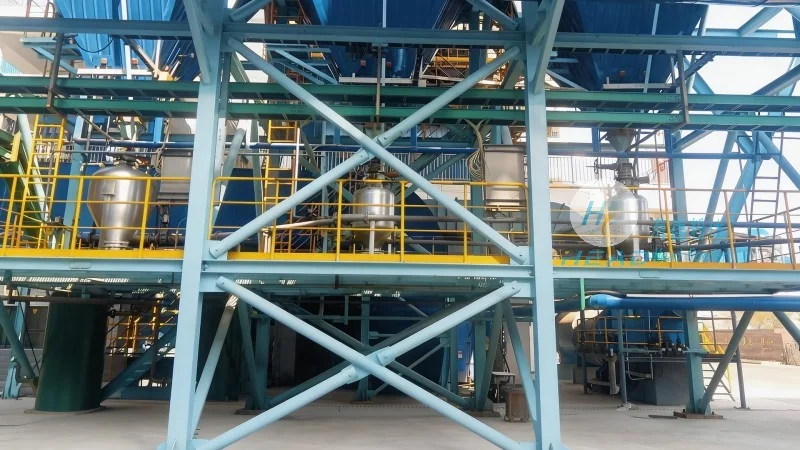
For PP pellets, pneumatic conveying offers benefits such as high capacity, minimal material degradation, and the ability to transport material vertically or horizontally over long distances, up to several hundred meters. The enclosed pipeline design also prevents dust emissions, making it suitable for applications where environmental regulations are strict. However, pneumatic systems require more energy compared to mechanical conveyors and may need more maintenance due to the wear and tear on components like airlocks and filters.
3. Belt Conveyors for Bulk PP Pellet Handling
Belt conveyors are widely used in the bulk handling of PP pellets, particularly in applications requiring high throughput and long transport distances. These systems consist of a continuous belt that moves over rollers or pulleys, transporting the material from one location to another. Belt conveyors are suitable for both horizontal and inclined transport and can handle large volumes of material efficiently. They are commonly used in storage facilities, loading docks, and production lines where the material needs to be moved over long distances without interruption.
For PP pellets, belt conveyors offer advantages such as high capacity, low maintenance, and the ability to transport material over long distances with minimal energy consumption. The open design of belt conveyors allows for easy inspection and cleaning, which is important for maintaining the quality of the pellets. However, belt conveyors may not be suitable for vertical transport or for materials that are prone to sticking to the belt, as this can lead to material buildup and reduced efficiency.
4. Vibrating Conveyors for PP Pellet Transport
Vibrating conveyors use vibration to move PP pellets along a trough or tube. The system consists of a conveyor bed that is vibrated at a specific frequency and amplitude, causing the material to move forward due to the vibration. Vibrating conveyors are particularly effective for transporting materials with poor flow characteristics, such as PP pellets that may tend to stick together or form lumps. They are also suitable for applications where the material needs to be elevated or moved through vertical sections, as the vibration helps prevent material buildup and ensures smooth transport.
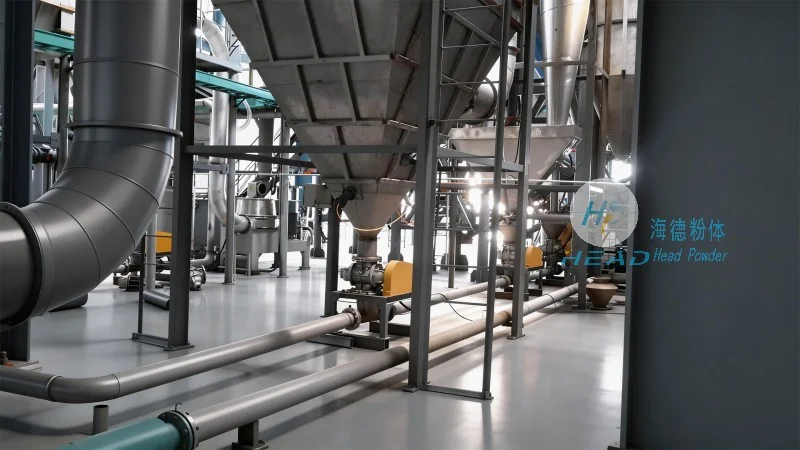
For PP pellets, vibrating conveyors offer benefits such as low maintenance, high capacity, and the ability to handle a wide range of material sizes and shapes. The system is also relatively simple to install and operate, making it a cost-effective solution for many applications. However, vibrating conveyors may not be suitable for materials that are very abrasive or for applications requiring high precision, as the vibration can cause some material degradation.
5. Hydraulic Conveying Systems for Specialized PP Pellet Handling
Hydraulic conveying systems use hydraulic fluid to transport PP pellets through a pipeline. This method is less common for PP pellets compared to the other options but is used in specialized applications where high pressure and controlled flow are required. Hydraulic systems are typically used for transporting materials over long distances or in environments where other methods are not feasible, such as underwater or in high-temperature conditions.
For PP pellets, hydraulic conveying offers advantages such as high pressure and precise control over the flow rate, which is important for applications where the material needs to be transported at a specific speed or pressure. However, hydraulic systems are more complex and require more maintenance than other conveying methods, and they are generally more expensive to install and operate.
In conclusion, the choice of PP pellet conveying method depends on the specific requirements of the application. Screw conveyors are ideal for short to medium distances and horizontal transport, pneumatic systems are suitable for long distances and dust control, belt conveyors are best for bulk handling over long distances, vibrating conveyors are effective for materials with poor flow characteristics, and hydraulic systems are used for specialized applications. HeadPowder Engineering Co., Ltd. offers a range of conveying solutions tailored to these needs, ensuring that manufacturers can select the most appropriate method for their PP pellet processing operations.




