HeadPowder, a leading enterprise in the field of material handling and conveying systems, specializes in advanced pneumatic conveying solutions for cement powders. This article explores the fundamental principles, practical applications, and emerging trends in cement powder pneumatic conveying technology, highlighting the technical advancements and operational benefits that define modern material transport in the cement industry.
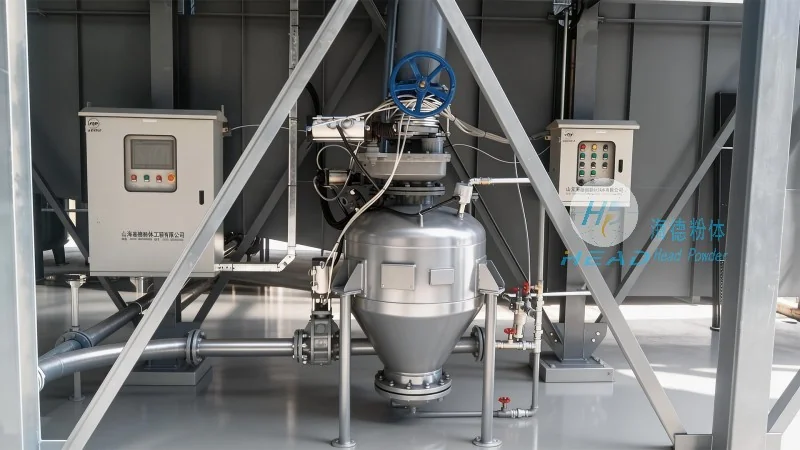
Principles of Pneumatic Conveying for Cement Powders
The core principle of pneumatic conveying involves transporting bulk materials like cement powder through a pipeline using compressed air. This method relies on the creation of a flow of air that moves the powder particles, either in a dilute phase (where particles are suspended in the air stream) or a dense phase (where particles are more closely packed). The selection of the appropriate conveying mode—such as pressure or vacuum systems—depends on factors like material characteristics, distance, and system layout. For cement powders, which are fine, abrasive, and often sensitive to moisture, the design of the conveying system must address challenges such as particle segregation, caking, and equipment wear. Advanced systems incorporate features like air filtration, temperature control, and specialized valve designs to ensure efficient and reliable transport.
Key Applications in Cement Production and Processing
Cement powder pneumatic conveying is widely utilized across various stages of cement production and processing. In the raw material handling phase, it facilitates the transport of limestone, clay, and other raw materials from storage silos to the grinding mills. During the clinker production stage, the system efficiently conveys clinker from the kiln to the cement mills, ensuring a continuous supply for grinding. Additionally, in the final product distribution, pneumatic conveying systems are employed to move finished cement powders from the storage silos to packaging or shipping facilities. The technology also finds applications in the recycling and waste management sectors, where it helps in the transport of recycled materials for cement production, contributing to sustainable practices.
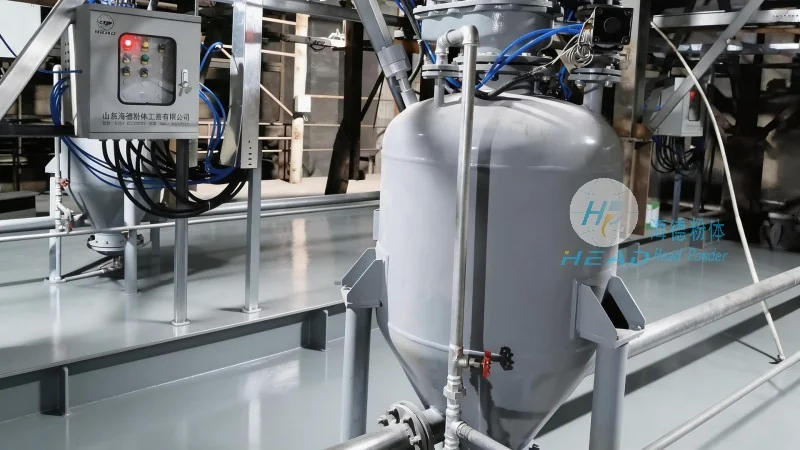
Technical Advancements and System Innovations
Recent advancements in cement powder pneumatic conveying technology focus on improving efficiency, reducing energy consumption, and enhancing system reliability. Innovations include the development of high-efficiency air compressors, which minimize energy costs while maintaining consistent air pressure. The integration of smart sensors and control systems allows for real-time monitoring of flow rates, pressure, and particle concentration, enabling proactive maintenance and system optimization. Additionally, the use of advanced materials in pipeline construction, such as corrosion-resistant stainless steel and high-density polyethylene, extends the lifespan of the conveying system and reduces maintenance requirements. Some systems also incorporate dust suppression and environmental control measures to comply with regulatory standards, ensuring safe and eco-friendly operation.
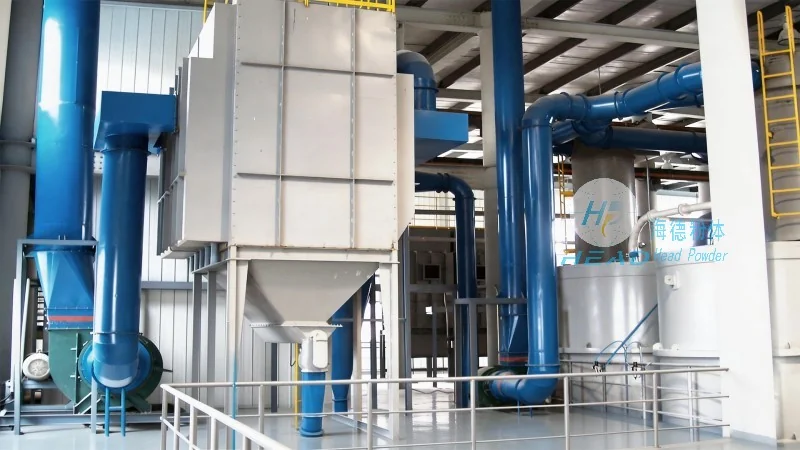
Challenges and Solutions in Cement Powder Conveying
Despite its advantages, pneumatic conveying of cement powders presents several challenges. One major issue is the potential for material degradation due to friction and impact, which can affect the quality of the final cement product. Another challenge is the risk of clogging in the pipeline, particularly with fine powders that have high moisture content. To address these issues, manufacturers employ solutions such as flexible hoses with anti-clogging designs, regular cleaning systems, and moisture control measures. Furthermore, the abrasive nature of cement powders can lead to equipment wear, necessitating the use of wear-resistant materials and components in the system. HeadPowder’s expertise in material handling has led to the development of specialized solutions that mitigate these challenges, ensuring smooth and efficient operation.
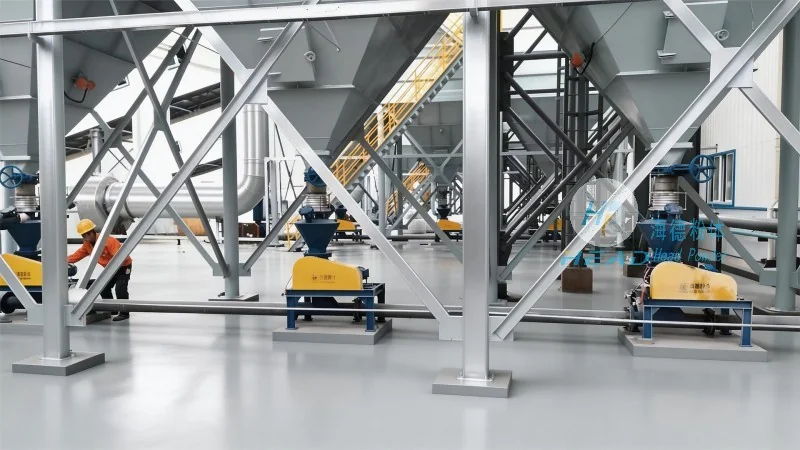
Future Trends and Development Directions
The future of cement powder pneumatic conveying technology is shaped by ongoing research and technological innovations. One emerging trend is the integration of artificial intelligence (AI) and machine learning (ML) to optimize system performance. AI-driven systems can predict maintenance needs, adjust air pressure and flow rates in real-time, and enhance overall system efficiency. Another trend is the adoption of green technologies, such as energy-efficient compressors and renewable energy sources, to reduce the environmental impact of cement production. The development of more compact and modular conveying systems also allows for easier installation and integration into existing production lines. As the cement industry continues to evolve, these advancements will play a crucial role in improving operational efficiency, reducing costs, and supporting sustainable practices.
Conclusion
HeadPowder Engineering Co., Ltd., based in Shandong, China, remains at the forefront of cement powder pneumatic conveying technology. By combining advanced engineering principles with practical application expertise, the company provides customized solutions that meet the unique needs of cement producers. From fundamental principles to cutting-edge innovations, the technology continues to evolve, offering enhanced efficiency, reliability, and sustainability in material handling. As the cement industry advances, the role of pneumatic conveying systems will remain critical, and companies like HeadPowder will continue to drive progress through innovation and expertise.




