Textile fiber pneumatic conveying technology represents a sophisticated method for transporting fibrous materials through a pipeline using air or gas as the conveying medium. This technology is widely utilized in the textile industry to handle various types of fibers, including cotton, polyester, and other synthetic materials, with efficiency and precision. The fundamental principles of pneumatic conveying involve the use of pressure differentials to move materials, either by creating a vacuum (suction) or by applying pressure (blowing) to the material stream.
Principles of Pneumatic Conveying for Textile Fibers
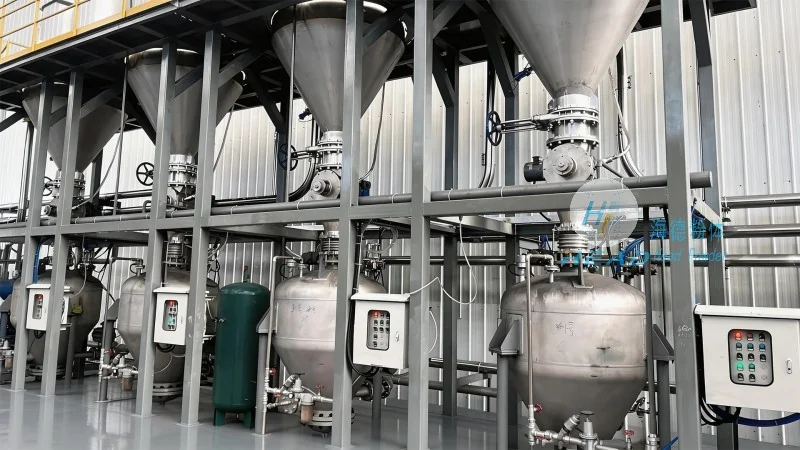
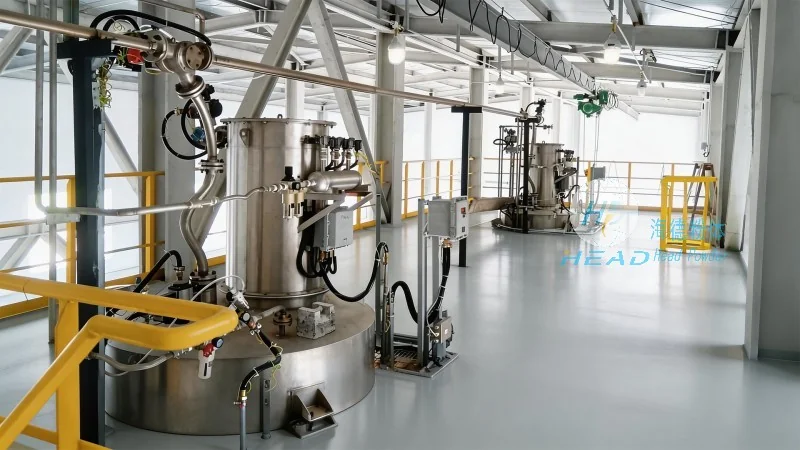
The core principle of pneumatic conveying in textile applications is to create a flow of air that carries the fibers through a system of pipes. There are two primary types of pneumatic conveying systems: suction (or vacuum) systems and pressure (or positive) systems. Suction systems operate by creating a low-pressure zone that draws the fibers into the pipeline, while pressure systems use compressed air to push the material forward. The choice between these systems depends on factors such as the material's properties, the distance to be conveyed, and the required throughput. For textile fibers, which are often lightweight and prone to static, the design of the conveying system must consider factors like air velocity, pipe diameter, and the presence of bends or filters to prevent material degradation or blockages.
Applications in the Textile Industry
HeadPowder, a leading provider of engineering solutions, utilizes pneumatic conveying technology in various textile processing stages. One key application is in the handling of raw fibers from bales to processing machines. The system efficiently transports cotton or polyester fibers from storage areas to spinning or weaving equipment, minimizing manual labor and reducing the risk of material contamination. Another application is in the transfer of finished fibers or yarns between different production lines, ensuring a seamless workflow. Additionally, pneumatic conveying is employed in quality control processes, where fibers are conveyed to testing equipment for moisture content, fiber length, or other critical parameters. The technology's ability to handle fine, dust-like fibers without clogging or loss makes it ideal for maintaining product quality throughout the manufacturing process.
Advancements and Development Trends
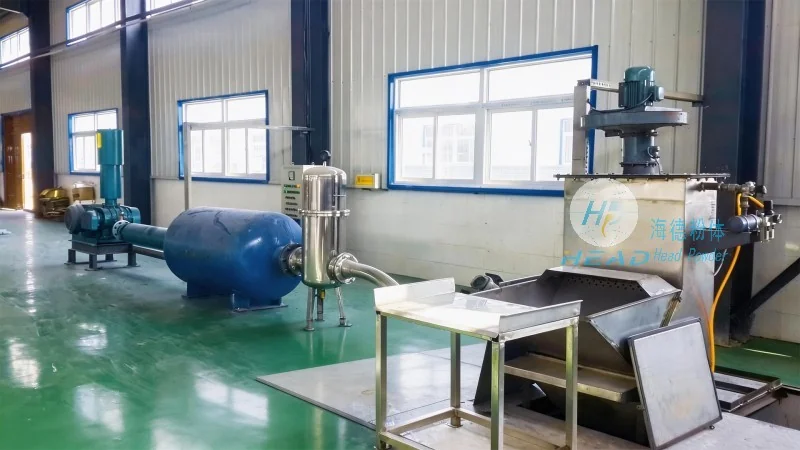
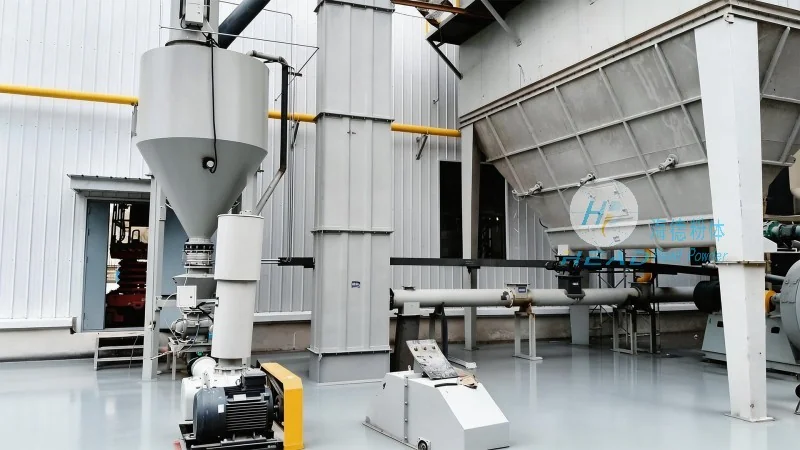
The development of textile fiber pneumatic conveying technology has seen significant advancements in recent years, driven by the need for higher efficiency and lower operational costs. One trend is the integration of automation and control systems, which allow for real-time monitoring of the conveying process and adjustment of parameters such as air pressure and flow rate. This automation enhances system reliability and reduces downtime. Another trend is the use of advanced materials for pipeline construction, such as stainless steel or specialized coatings, to prevent corrosion and material buildup, especially when handling fibers with high moisture content or abrasive properties. Additionally, the adoption of energy-efficient designs, including variable frequency drives (VFDs) for air compressors, has become more prevalent, reducing energy consumption and operational expenses. Future developments may include the use of smart sensors to detect blockages or changes in material flow, enabling predictive maintenance and further improving system performance. These advancements ensure that pneumatic conveying remains a vital technology in the modern textile industry, supporting sustainable and efficient production practices.




