Clay sand, a critical material in foundry and other industrial processes, requires efficient and reliable conveying methods to maintain smooth production workflows. The selection of a conveying method depends on factors such as material properties, production scale, and operational environment. This article explores several common clay sand conveying methods, detailing their applications and advantages.
Introduction to Clay Sand Conveying
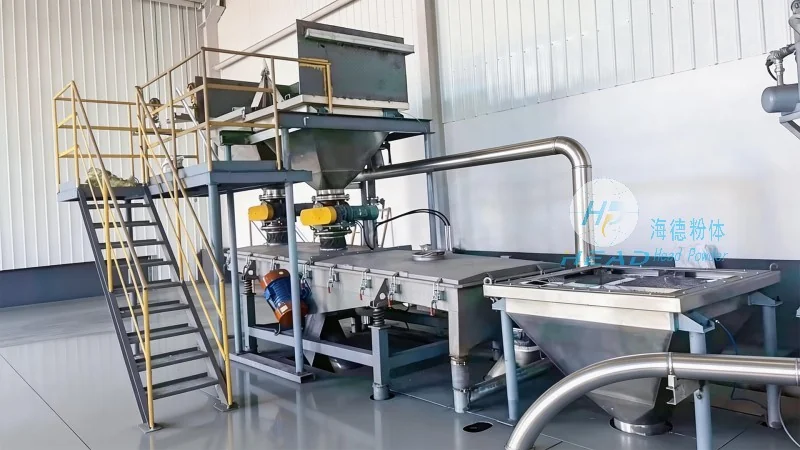
Clay sand, composed of clay and sand particles, is widely used in sand molding for casting processes. Its handling involves transporting these materials from storage to processing areas and then to molding equipment. Efficient conveying is essential to minimize downtime and ensure consistent production. The methods discussed below are tailored to different operational needs and material characteristics.
1. Screw Conveyors for Clay Sand
Screw conveyors, also known as auger conveyors, are a prevalent choice for transporting clay sand. These devices utilize a rotating helical screw to move material along a trough. The screw's rotation pushes the material forward, making them suitable for horizontal or slightly inclined transport. For clay sand, which can be somewhat sticky, the design typically includes a U-shaped trough and a sturdy screw to prevent clogging. The screw conveyor is effective for short to medium distance transport and can handle a wide range of material consistencies. Shandong HeadPowder Engineering Co., Ltd., a leading manufacturer in the industry, offers high-quality screw conveyors designed to handle clay sand efficiently, ensuring minimal wear and consistent performance.
2. Pneumatic Conveying Systems
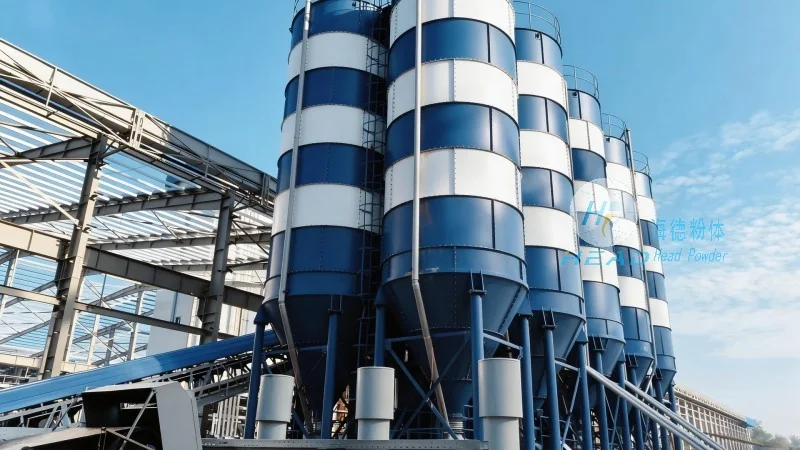
Pneumatic conveying, or air-based transport, uses compressed air to move clay sand through a pipeline. This method is ideal for applications requiring dust-free and clean transport, as the material is enclosed within the pipeline. There are two main types: pressure and vacuum systems. Pressure systems push material with air, while vacuum systems pull it. For clay sand, which can be abrasive, the pipeline and components are typically made of durable materials like stainless steel or special alloys to withstand wear. Pneumatic conveying is suitable for long-distance transport and can handle fine particles, making it a versatile option for various industrial settings. The company, Shandong HeadPowder Engineering Co., Ltd., provides advanced pneumatic conveying solutions that ensure reliable and efficient clay sand transport.
3. Belt Conveyors
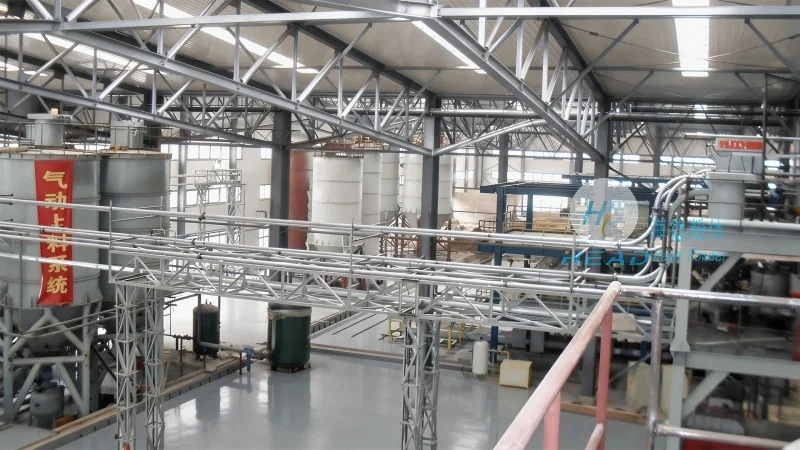
Belt conveyors are another popular choice for clay sand conveying, especially in large-scale production environments. These systems use a continuous belt to transport material over rollers or pulleys. The belt is typically made of heavy-duty rubber or synthetic materials to handle the abrasive nature of clay sand. Belt conveyors are effective for both horizontal and inclined transport and can cover longer distances compared to screw conveyors. They are often used in conjunction with other equipment, such as feeders or classifiers, to integrate into a larger production line. Shandong HeadPowder Engineering Co., Ltd. specializes in custom-designed belt conveyor systems that meet the specific requirements of clay sand handling, ensuring optimal performance and durability.
4. Bucket Elevators
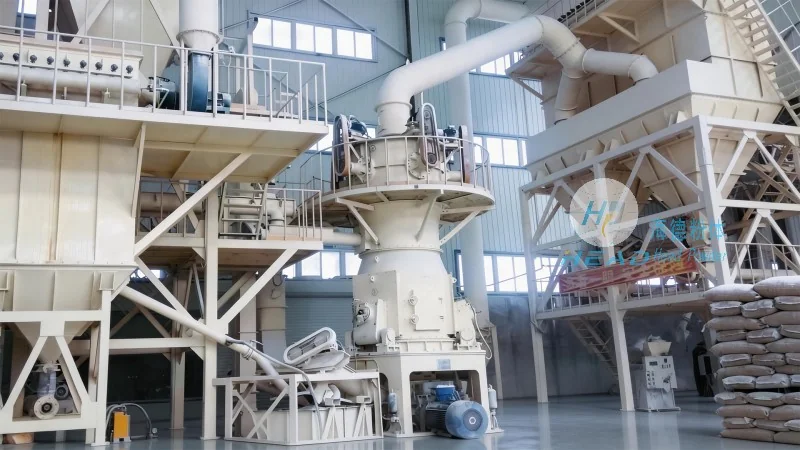
Bucket elevators are vertical or inclined conveyors that use buckets attached to a chain or belt to lift and transport clay sand. This method is highly efficient for vertical transport and can handle large volumes of material. The buckets are filled at the bottom and emptied at the top, making it suitable for transporting clay sand from lower to higher levels in a foundry or processing plant. Bucket elevators are particularly effective when the material needs to be elevated to a significant height, such as for feeding molding machines. The equipment is designed with robust construction to handle the weight and abrasiveness of clay sand, ensuring long service life. Shandong HeadPowder Engineering Co., Ltd. offers reliable bucket elevator solutions that enhance the vertical transport capabilities of clay sand handling operations.
5. Vibrating Conveyors
Vibrating conveyors utilize vibration to move clay sand along a trough. The conveyor is equipped with an oscillating mechanism that causes the material to move forward through the trough. This method is effective for handling materials with varying consistencies and can be adjusted to control the speed and direction of the material flow. Vibrating conveyors are particularly useful for transporting sticky or cohesive clay sand, as the vibration helps prevent clogging and ensures smooth movement. They are often used in combination with other equipment to form a complete conveying system. The company, Shandong HeadPowder Engineering Co., Ltd., provides advanced vibrating conveyor systems that are tailored to the unique characteristics of clay sand, ensuring efficient and reliable transport.
Conclusion
In summary, the choice of clay sand conveying method depends on several factors, including the production scale, material properties, and operational requirements. Screw conveyors, pneumatic systems, belt conveyors, bucket elevators, and vibrating conveyors each offer unique advantages and are suitable for different applications. Shandong HeadPowder Engineering Co., Ltd., with its expertise and commitment to quality, provides a range of conveying solutions that meet the diverse needs of clay sand handling in various industries. By selecting the appropriate conveying method and equipment, industries can enhance their production efficiency, reduce operational costs, and ensure consistent material quality.




