When it comes to the transportation of coking coal and stone powder, selecting the right conveying method is crucial for ensuring efficiency, safety, and cost-effectiveness in industrial operations. As a leading provider in the field, Shandong HeadPowder Engineering Co., Ltd. specializes in offering tailored solutions that address the unique challenges associated with handling these materials. This article explores the primary methods used for conveying coking coal and stone powder, highlighting their applications, advantages, and considerations for different industrial settings.
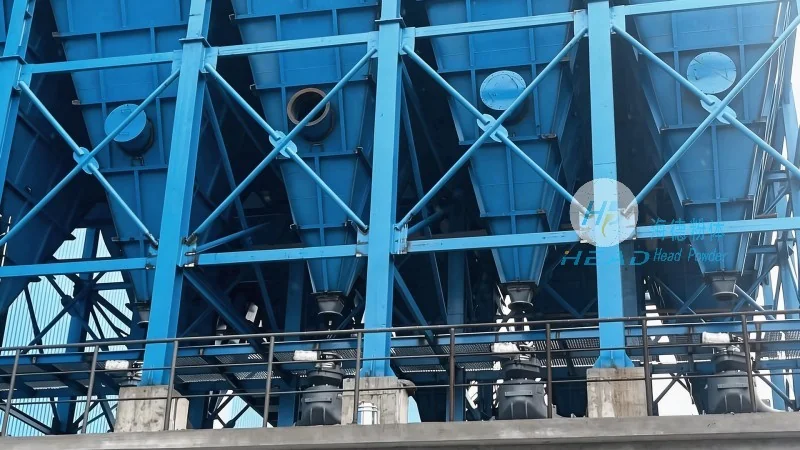
Belt Conveyor Systems: The Workhorse of Bulk Material Handling
Belt conveyors are among the most widely used and reliable methods for transporting coking coal and stone powder. These systems consist of a continuous loop of belt that moves material from the loading point to the discharge point, supported by rollers or idlers. The design of belt conveyors can be customized to accommodate various material characteristics, including the size, density, and moisture content of coking coal and stone powder. For instance, heavy-duty belts with reinforced surfaces are often employed to handle the abrasive nature of stone powder, while adjustable speed controls ensure smooth and controlled movement of the material. Belt conveyors are particularly suitable for long-distance transportation and can be integrated with other equipment such as feeders, crushers, or screens to form a complete material handling system. Their ability to operate continuously and with minimal maintenance makes them an attractive option for large-scale industrial applications.
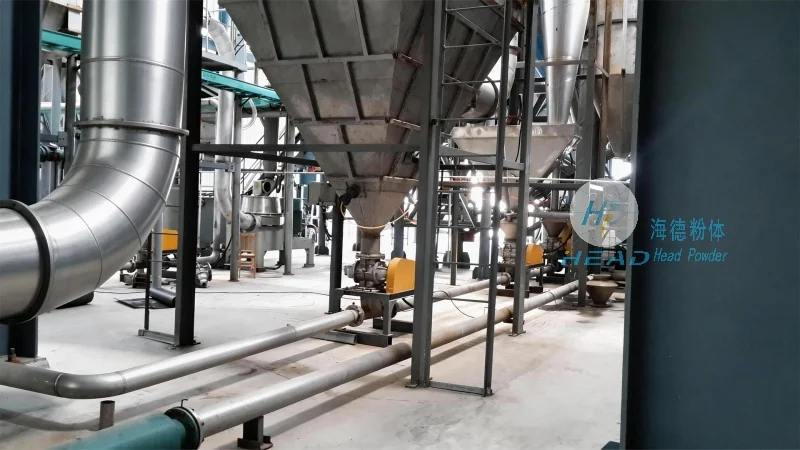
Pneumatic Conveying Systems: Efficient for Fine and Dusty Materials
Pneumatic conveying systems utilize air or other gases to transport coking coal and stone powder through a network of pipes. This method is especially effective for handling fine or dusty materials, as it prevents dust dispersion and provides a clean, enclosed environment. There are two main types of pneumatic conveying: dilute-phase and dense-phase. Dilute-phase systems use low air velocity to move material in a suspended state, making them ideal for short to medium distances and low to medium material loads. Dense-phase systems, on the other hand, use higher air pressure and lower velocity to transport material in a more compacted form, which is better suited for longer distances and higher material loads. Pneumatic conveyors are advantageous for applications where dust control is critical, such as in food processing or pharmaceutical industries, but they require careful design to ensure efficient material transport and prevent system blockages. The choice between dilute-phase and dense-phase depends on factors like material properties, distance, and desired throughput.
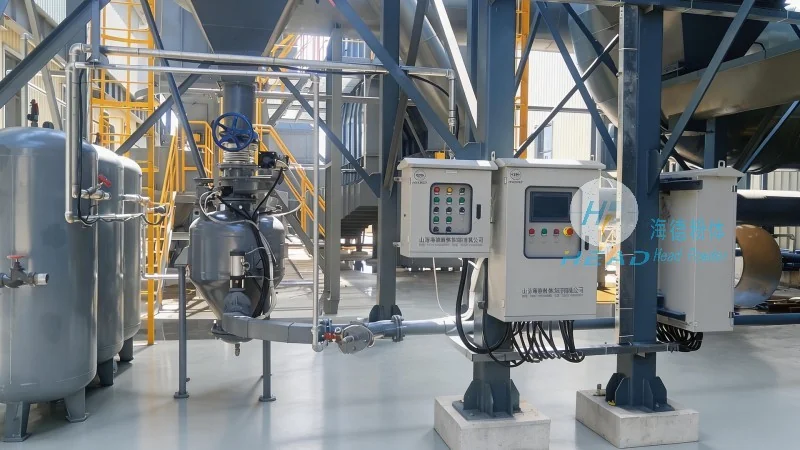
Screw Conveyors: Versatile and Compact Solutions
Screw conveyors, also known as auger conveyors, are another common method for conveying coking coal and stone powder. These systems consist of a rotating screw (auger) enclosed in a tube or trough, which moves material forward as the screw rotates. Screw conveyors are highly versatile and can be used in a variety of orientations, including horizontal, inclined, or vertical. They are particularly effective for handling materials with a moderate to high bulk density and are often used in applications where space is limited or where the material needs to be elevated or lowered. The design of screw conveyors can be customized to handle different material characteristics, such as the presence of moisture or abrasive particles. For example, stainless steel screws may be used for food-grade applications, while heavy-duty materials are suitable for industrial use. Screw conveyors are known for their simplicity, low maintenance, and ability to handle a wide range of materials, making them a popular choice for many industrial processes. However, they may not be as efficient for very long distances or high-volume applications compared to other methods.
Bucket Elevators: Vertical Transport with High Capacity
Bucket elevators are specialized equipment designed for vertical transportation of coking coal and stone powder. These systems consist of a continuous chain or belt with attached buckets that move material upward in a vertical shaft. Bucket elevators are capable of handling large volumes of material and are commonly used in applications where vertical movement is required, such as in coal handling plants or cement production facilities. The design of bucket elevators can be customized to accommodate different material sizes and densities, with options for different bucket configurations and speeds. For instance, deep buckets are used for fine materials to prevent spillage, while shallow buckets are suitable for larger particles. Bucket elevators are known for their high capacity and efficiency in vertical transport, but they require regular maintenance to ensure smooth operation and prevent wear and tear. They are particularly effective for applications where space is limited horizontally and vertical movement is necessary.
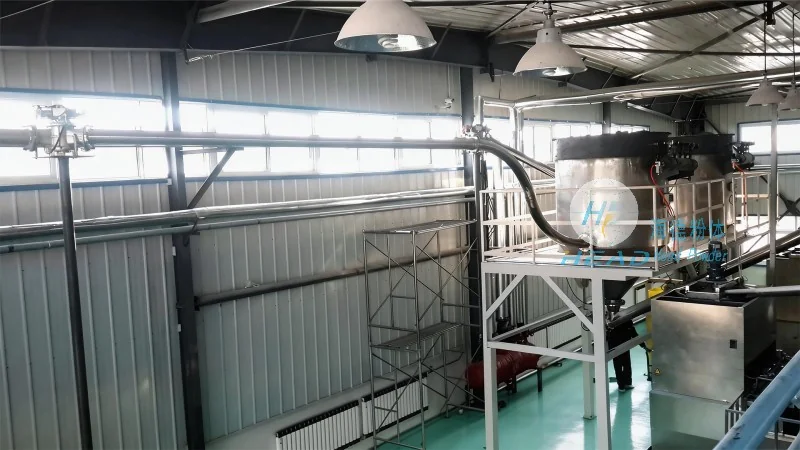
Hydraulic Conveying Systems: Gentle and Controlled Movement
Hydraulic conveying systems use water or other liquids to transport coking coal and stone powder through pipelines. This method is often referred to as slurry transport and is particularly effective for handling fine or wet materials. The material is mixed with water to form a slurry, which is then pumped through the pipeline to the destination. Hydraulic conveyors are known for their ability to handle abrasive materials without causing excessive wear on the system components. They are also suitable for long-distance transportation and can be integrated with other equipment such as pumps, filters, or storage tanks. The main advantage of hydraulic conveying is its gentle handling of the material, which minimizes breakage and preserves the quality of the coking coal and stone powder. However, this method requires careful management of water usage and disposal, as well as regular maintenance to prevent clogging or corrosion. Hydraulic systems are commonly used in mining and mineral processing industries where the material is already in a slurry form or needs to be mixed with water for transport.




