When it comes to handling and transporting foam plastic materials, selecting the right conveying method is crucial for efficiency, cost-effectiveness, and material integrity. Foam plastic, with its lightweight and often irregular shapes, requires specialized equipment to ensure smooth and safe movement. The company, Shandong HeadPowder Engineering Co., Ltd., specializes in providing tailored conveying solutions for foam plastic processing, with a focus on optimizing material flow and minimizing degradation. This article explores the primary methods of conveying foam plastic, highlighting the key considerations and applications for each approach.
1. Screw Conveyors for Foam Plastic Handling
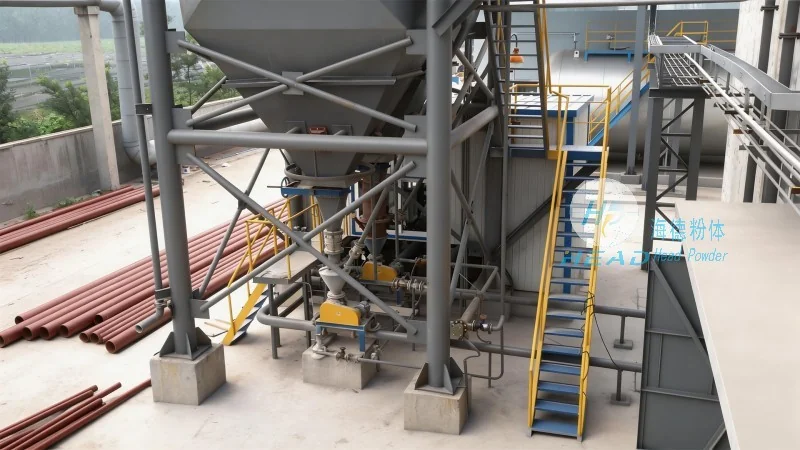
Screw conveyors, also known as auger conveyors, are a popular choice for transporting foam plastic due to their ability to handle bulk materials in a compact and enclosed system. These conveyors consist of a rotating screw (auger) inside a tube or trough, which pulls material forward as it rotates. For foam plastic, the screw design is often modified to accommodate the material's low density and potential for bridging or clogging. The key advantages of screw conveyors include their simplicity, low maintenance requirements, and ability to operate in vertical or horizontal configurations. They are particularly effective for transporting foam plastic from storage bins to processing lines or for moving material within a production facility. The company, Shandong HeadPowder Engineering Co., Ltd., specializes in designing and manufacturing custom screw conveyors tailored to the specific needs of foam plastic processing, ensuring optimal performance and minimal material degradation.
2. Pneumatic Conveying Systems for Foam Plastic Transport
Pneumatic conveying systems use air or other gases to transport foam plastic particles or pellets through a pipeline. This method is ideal for applications where dust control, contamination prevention, or long-distance transport is required. There are two main types of pneumatic conveyors: pressure and vacuum systems. Pressure systems push material through the pipeline using compressed air, while vacuum systems draw material in using a vacuum. For foam plastic, pressure systems are often preferred as they can handle higher material loads and are less prone to clogging. The company, headpowder, offers advanced pneumatic conveying solutions that incorporate features such as flexible hoses, rotary airlocks, and cyclone separators to ensure efficient and reliable transport. These systems are designed to maintain the integrity of the foam plastic, preventing damage from friction or impact during the conveying process.
3. Belt Conveyors for Large-Scale Foam Plastic Handling
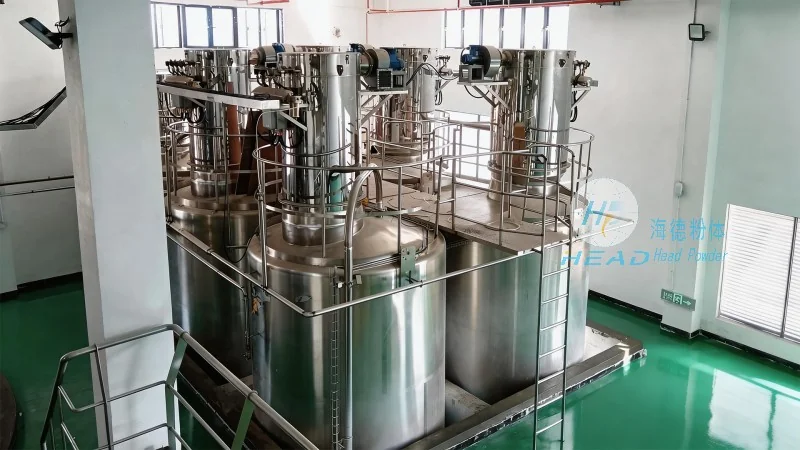
Belt conveyors are commonly used for the bulk handling of foam plastic, especially in applications involving large volumes or long distances. These systems consist of a continuous belt that moves over rollers or a flat surface, transporting the material from one location to another. Belt conveyors are highly effective for transporting foam plastic from storage areas to processing equipment or for moving finished products. The key benefits of belt conveyors include their high capacity, ability to handle heavy loads, and low operational costs. The company, Shandong HeadPowder Engineering Co., Ltd., provides customized belt conveyor systems that can be equipped with side walls, cleats, or impact beds to prevent material spillage and ensure stable transport of foam plastic. These systems are designed to accommodate the varying sizes and shapes of foam plastic pieces, ensuring consistent and reliable performance.
4. Vibrating Conveyors for Foam Plastic Movement
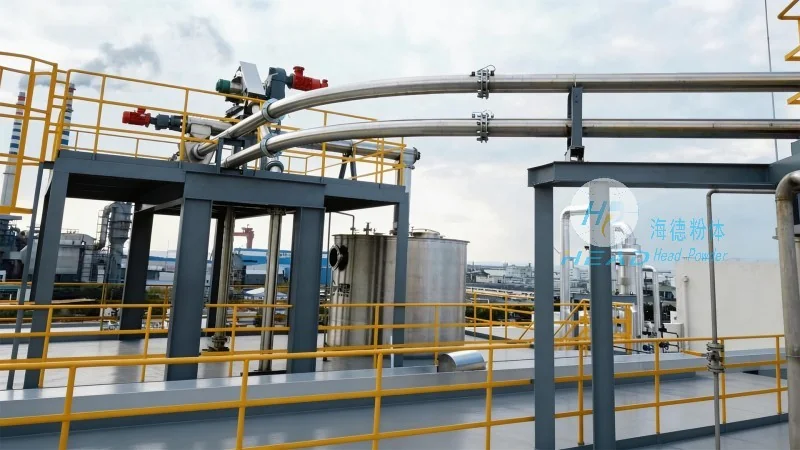
Vibrating conveyors use vibration to move foam plastic materials along a trough or conveyor bed. These systems are particularly useful for materials that are prone to bridging or clogging, as the vibration helps to break up clumps and maintain a consistent flow. Vibrating conveyors are often used in applications where gentle handling is required, such as transporting foam plastic that is sensitive to impact or compression. The company, headpowder, offers vibrating conveyor solutions with adjustable vibration frequencies and amplitudes, allowing for customization based on the specific characteristics of the foam plastic being handled. These conveyors are designed to minimize material degradation while ensuring efficient transport, making them suitable for both production and material handling processes.
5. Hydraulic Conveyors for Specialized Foam Plastic Applications
Hydraulic conveyors use fluid power to transport foam plastic materials, particularly in applications where high force or precise control is needed. These systems are less common for general foam plastic handling but are used in specialized industries, such as automotive or aerospace, where specific foam plastic components require controlled movement. The company, Shandong HeadPowder Engineering Co., Ltd., provides hydraulic conveyor solutions tailored to the unique requirements of specialized foam plastic applications, ensuring precise and reliable transport. These conveyors are designed to handle the specific properties of foam plastic, such as low density or irregular shapes, while maintaining the required level of control and precision.




