

Principle and Classification Application of Light-Weight Micropowder Pneumatic Conveying
Light-weight micropowder pneumatic conveying is a critical technology in modern material handling, particularly for industries dealing with fine, low-density powders. This method involves transporting particles through a pipeline using air or gas as the conveying medium. The efficiency and reliability of such systems are essential for maintaining product quality and operational productivity in various sectors, including chemical, pharmaceutical, and food processing. Understanding the underlying principles and diverse applications of light-weight micropowder pneumatic conveying is vital for professionals seeking to optimize material transport processes.
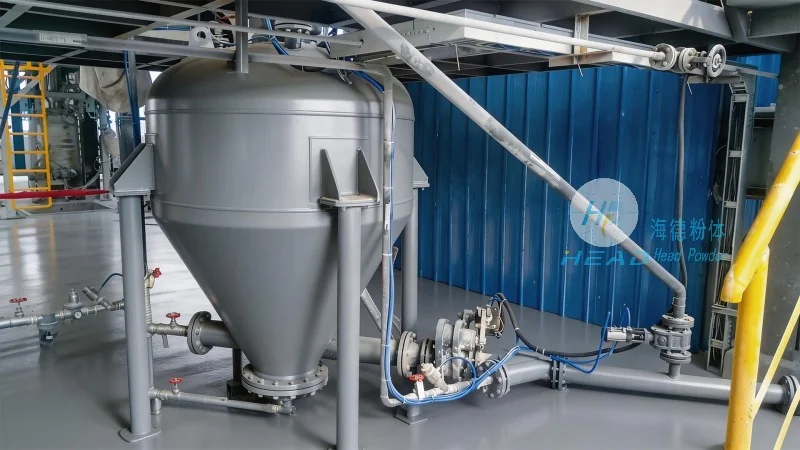
The Working Principle of Light-Weight Micropowder Pneumatic Conveying
The core of light-weight micropowder pneumatic conveying lies in the interaction between the conveying medium (air or gas) and the solid particles. The process typically operates on one of two fundamental modes: suction (vacuum) conveying or pressure (positive pressure) conveying. In suction conveying, a vacuum is created at the material source, drawing the micropowder particles into the pipeline. This method is often used for short to medium distances and when the material is relatively dry and free-flowing. Conversely, pressure conveying involves blowing air or gas into the pipeline at the discharge end, pushing the particles forward. This approach is suitable for longer distances and when dealing with more challenging materials, such as those with higher moisture content or cohesive properties.
For light-weight micropowders, the choice of conveying mode is influenced by particle size, density, and the required transport distance. Micropowders, characterized by their small particle size (typically less than 100 microns) and low bulk density, present unique challenges in pneumatic transport. The low density means that a higher air velocity is often required to maintain particle suspension and prevent deposition. Additionally, the fine nature of these particles can lead to issues like caking or agglomeration, which may affect the conveying efficiency. To address these challenges, specialized equipment such as high-efficiency cyclones, rotary valves, and airlocks is employed to ensure smooth and continuous operation.
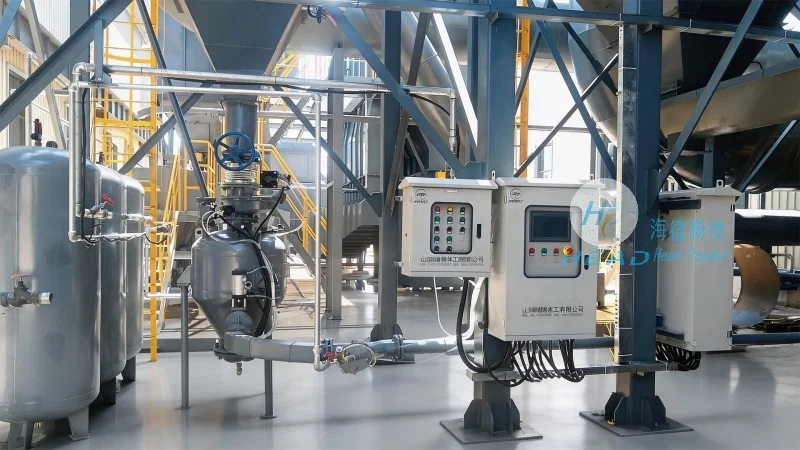
Classification and Application of Light-Weight Micropowder Pneumatic Conveying
Light-weight micropowder pneumatic conveying systems can be classified based on the conveying mode, particle characteristics, and operational requirements. The primary classifications include:
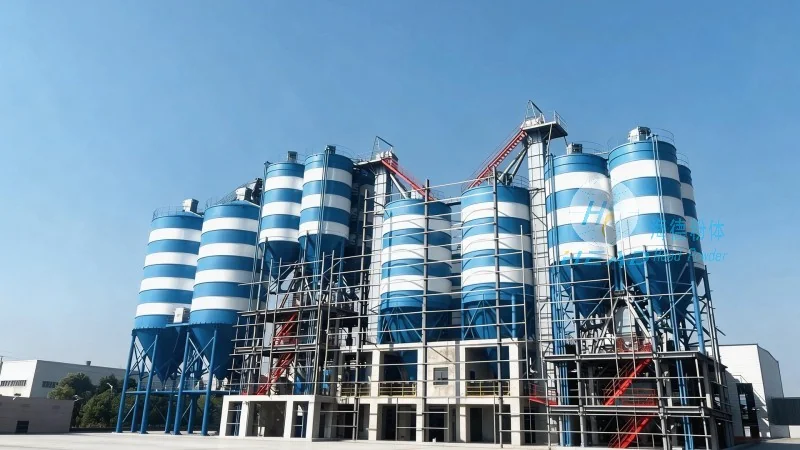
- Suction (Vacuum) Conveying: This type of system is ideal for applications where the material is to be transported from a source to a destination that is at a lower elevation or requires a gentle handling process. It is commonly used in pharmaceutical and food industries where product contamination and particle damage must be minimized. The vacuum created at the inlet draws the micropowder particles into the pipeline, ensuring a clean and controlled transport.
- Pressure (Positive Pressure) Conveying: In this mode, compressed air is introduced at the discharge end, propelling the particles forward. This method is suitable for longer distances and when the material needs to be transported to a higher elevation or to multiple destinations. It is widely used in chemical and industrial applications where the material may have higher moisture content or be more abrasive. Pressure conveying systems often incorporate features like pulse-jet cleaning to prevent particle buildup and maintain system efficiency.
- Mixed Conveying: A combination of suction and pressure modes, mixed conveying systems are designed for complex transport scenarios. For instance, a suction system may be used to draw material from a hopper, and then a pressure system is employed to deliver it to a processing unit. This approach allows for flexibility in handling varying material types and distances, making it suitable for large-scale industrial operations.
Applications of light-weight micropowder pneumatic conveying span across multiple industries. In the chemical industry, it is used for transporting fine powders like calcium carbonate, talc, and silica, which are essential raw materials for coatings, plastics, and ceramics. The pharmaceutical sector relies on this technology to handle active pharmaceutical ingredients (APIs) and excipients, ensuring that the powders are transported without contamination or degradation. In the food industry, light-weight micropowders such as sugar, flour, and milk powder are conveyed using pneumatic systems that meet stringent hygiene standards. The ability to maintain product integrity and prevent cross-contamination makes pneumatic conveying a preferred method in these sectors.
Shandong HeadPowder Engineering Co., Ltd., a leading provider of material handling solutions, specializes in designing and manufacturing customized light-weight micropowder pneumatic conveying systems. With a focus on innovation and quality, the company has developed advanced technologies to address the unique challenges associated with handling light-weight micropowders. Their expertise in system design, equipment selection, and process optimization ensures that clients receive efficient and reliable solutions tailored to their specific needs. The company's facilities are located in Shandong, China, where they leverage local resources and industry expertise to deliver high-performance pneumatic conveying systems that enhance operational efficiency and product quality across various industries.