Chocolate material conveying lines are essential equipment in the chocolate manufacturing industry, designed to efficiently transport various chocolate-related materials from one processing stage to another. These systems are engineered to maintain the quality and integrity of the chocolate products while ensuring smooth and continuous production flow. The following article explores the working principle and key features of such conveying lines, providing insights into how they operate and their benefits in industrial chocolate production. Developed by Shandong HeadPowder Engineering Co., Ltd., a leading manufacturer in the field, these conveying lines are tailored to meet the specific needs of chocolate producers worldwide.
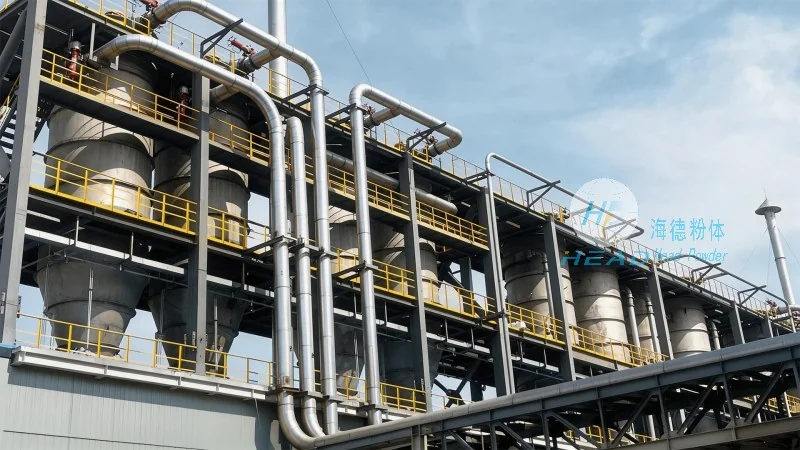
Understanding the Working Principle of Chocolate Material Conveying Lines
At the core of a chocolate material conveying line is a series of mechanical components that work in tandem to move materials through the production process. The system typically begins with a feeding mechanism, which can be a hopper or a bulk container, that supplies the raw materials or semi-finished products into the conveyor. This initial step ensures a consistent and controlled input of materials, preventing overloading or underloading that could disrupt the entire line. The feeding mechanism is often equipped with sensors to detect material levels, allowing for automatic adjustments to maintain a steady flow.
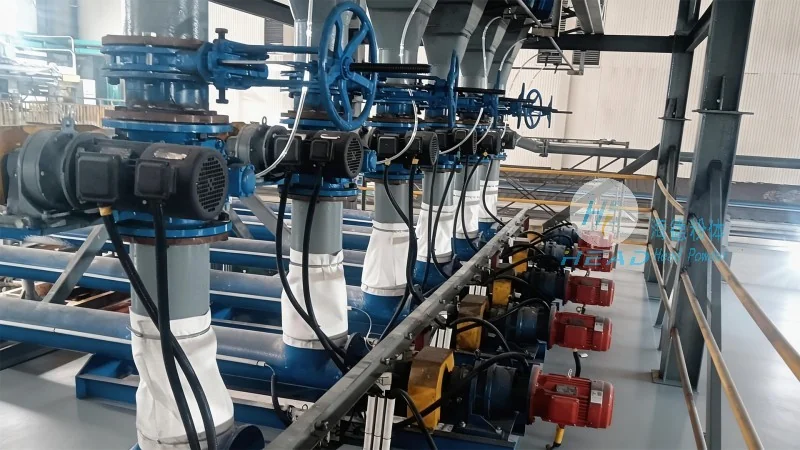
The conveyor itself is the central component, often utilizing different types of mechanisms such as belt conveyors, screw conveyors, or pneumatic systems, depending on the specific material characteristics and production requirements. For chocolate materials, which may include cocoa beans, sugar, milk powder, or finished chocolate blocks, the choice of conveyor type is critical. For instance, belt conveyors are commonly used for transporting solid chocolate pieces or finished products due to their ability to handle heavy loads and maintain product integrity. Screw conveyors, on the other hand, are ideal for moving powders or granules like cocoa powder or sugar, as they can provide gentle and controlled movement without causing degradation or clumping. In cases where liquid chocolate needs to be transported, specialized pipelines or pump systems are employed, ensuring that the fluid is moved smoothly without air entrainment or temperature fluctuations.
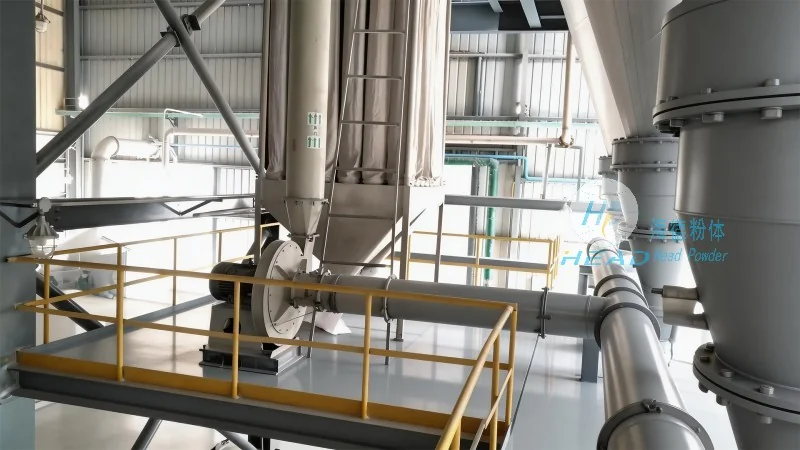
Following the conveyor, the system may incorporate additional processing or sorting components. For example, some lines include a temperature control section to maintain the chocolate at a consistent temperature, which is crucial for preventing premature solidification or melting. This temperature regulation is often achieved through insulated conveyor sections or integrated heating/cooling systems. Additionally, there may be a sorting or quality inspection stage where the chocolate products are checked for defects or inconsistencies before moving to the next stage of production. Advanced imaging or sensor systems can be integrated to detect visual defects or measure product dimensions, ensuring only high-quality chocolate proceeds to the next step.
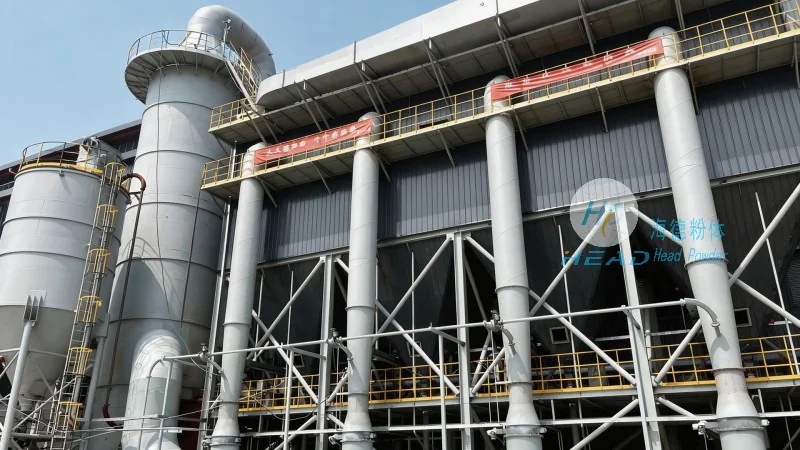
The entire conveying line is typically controlled by a centralized system, often using programmable logic controllers (PLCs) or industrial computers. This control system allows operators to monitor the flow of materials, adjust conveyor speeds, and manage the overall production process. The integration of sensors and feedback mechanisms ensures that the system operates efficiently and safely, with real-time data on material levels, temperature, and speed being continuously monitored. The control system can also be programmed to automatically adjust parameters based on real-time conditions, such as detecting a drop in material level and increasing the feeding rate to maintain production continuity.




