Algal residue, a byproduct of various aquatic biomass processing operations, presents unique challenges when it comes to material handling and transportation. The efficient conveyance of algal residue pellets is crucial for optimizing downstream processing and ensuring consistent performance in industrial applications. This article explores the primary methods used for conveying algal residue pellets, highlighting the key factors that influence the selection of an appropriate system.
Understanding Algal Residue Pellets and Their Properties
Before delving into the conveying methods, it is essential to understand the characteristics of algal residue pellets. These pellets are typically produced through processes such as dewatering, drying, and pelletizing of algal biomass. The resulting material often has a high moisture content, variable density, and can be prone to sticking or caking. These properties directly impact the choice of conveying equipment, as different systems are better suited to handle specific material behaviors.
Common Conveying Methods for Algal Residue Pellets
Several conveying methods are commonly employed in industrial settings for transporting algal residue pellets. The selection of a method depends on factors like the volume of material to be moved, the distance of transport, the material's physical properties, and the overall system design. Key methods include:
1. Screw Conveyors (Auger Conveyors)
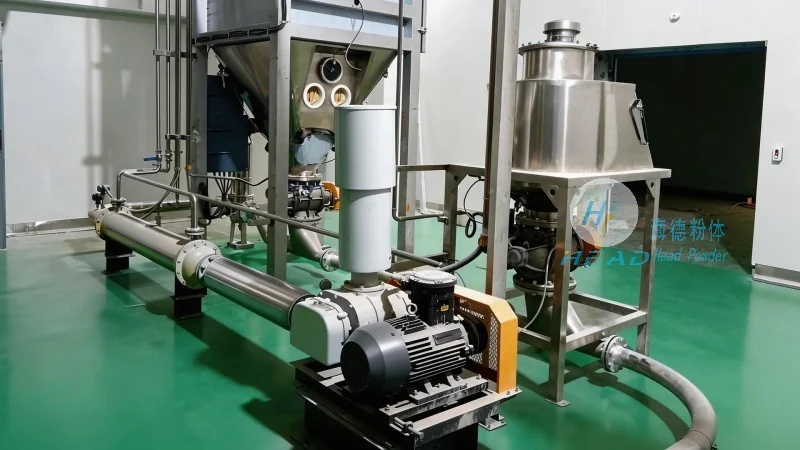
Screw conveyors are among the most widely used equipment for handling algal residue pellets. These systems consist of a rotating helical screw inside a trough or tube, which moves material along the length of the conveyor. Screw conveyors are particularly effective for horizontal or slightly inclined transport and can handle a wide range of material types, including those with high moisture content. They are known for their simplicity, low maintenance requirements, and ability to operate in a closed system, which helps in controlling dust and odor. However, their efficiency can be affected by the material's tendency to stick to the screw or the trough walls, especially if the pellets are sticky or have a high moisture level.
2. Pneumatic Conveying Systems
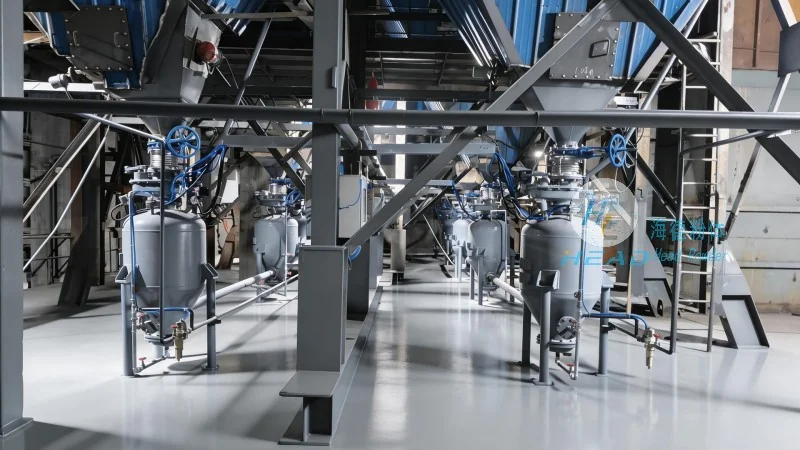
Pneumatic conveying systems use air or other gases to transport algal residue pellets through a pipeline. These systems can be categorized into two main types: pressure and vacuum. Pressure systems force air and material through the pipeline, while vacuum systems draw material into the system using a vacuum pump. Pneumatic conveying offers advantages such as the ability to transport material over long distances and through vertical lifts, as well as the option to integrate multiple conveying lines. However, they require higher energy input compared to mechanical systems and may be less efficient for handling highly abrasive or sticky materials. The choice between pressure and vacuum depends on the distance and elevation changes in the conveying path.
3. Belt Conveyors
Belt conveyors utilize a continuous belt to transport algal residue pellets horizontally or at a slight incline. The material is placed on the belt and moved by the rotation of the drive pulley. Belt conveyors are suitable for transporting larger volumes of material over moderate distances and are commonly used in bulk material handling applications. They are known for their high capacity and ability to handle a variety of material sizes and shapes. However, they may not be as effective for vertical transport and can be susceptible to material buildup or spillage if not properly maintained. The belt material and tensioning system must be selected carefully to prevent wear and ensure reliable operation with algal residue pellets.
4. Bucket Elevators
Bucket elevators are vertical or inclined conveyors that use a series of buckets attached to a chain or belt to lift and transport material. The buckets are filled with material at the bottom and discharged at the top as the conveyor rotates. This method is highly effective for vertical transport and can handle steep inclines, making it suitable for applications where space is limited or where material needs to be elevated to a significant height. Bucket elevators are known for their high efficiency in vertical movement and can handle a wide range of material densities. However, they require more complex mechanical components and may be more expensive to install and maintain compared to other horizontal conveying systems.
5. Hydraulic Conveying
Hydraulic conveying systems use water or a slurry to transport algal residue pellets through a pipeline. The material is mixed with water to form a slurry, which is then pumped through the system. This method is particularly effective for handling fine or powdery materials that are difficult to convey using other methods. Hydraulic conveying can transport material over long distances and through complex layouts, and it is often used in applications where dust control is a priority. However, it requires a significant amount of water and energy for pumping, and the system must be designed to prevent clogging and maintain consistent flow rates. The material's moisture content and particle size are critical factors in determining the suitability of hydraulic conveying.
Factors Influencing the Selection of a Conveying Method
The choice of conveying method for algal residue pellets is influenced by several key factors. Material properties, such as moisture content, density, and stickiness, play a significant role in determining the most effective system. The distance and elevation changes in the transport path also impact the selection, as some methods are better suited for horizontal transport while others excel in vertical movement. The volume of material to be handled and the required throughput rate are additional considerations, as different systems have varying capacities. Cost, maintenance requirements, and operational efficiency are also important factors, as they affect the long-term viability of the conveying system. For example, a small-scale operation might opt for a simple screw conveyor due to its low cost and ease of maintenance, while a large-scale industrial facility might choose a combination of pneumatic and belt conveyors to meet high throughput demands.
Conclusion
Efficient conveying of algal residue pellets is essential for the smooth operation of industrial processes that utilize algal biomass. The selection of an appropriate conveying method depends on a careful evaluation of material properties, transport requirements, and operational constraints. By understanding the advantages and limitations of each method, industrial operators can choose the most suitable system to ensure reliable, cost-effective, and environmentally friendly material handling. As the demand for sustainable biomass resources grows, the development of efficient conveying technologies will continue to play a vital role in the success of algal residue processing operations.




