When it comes to handling polyethylene powder, selecting the right conveying method is crucial for ensuring efficiency, safety, and product integrity. Polyethylene, a widely used thermoplastic, is often processed in powder form for various applications, and the choice of conveying system directly impacts production throughput and operational costs. This article explores the primary methods used for polyethylene powder conveying, highlighting their advantages, applications, and considerations for different industrial settings. The information provided is based on the expertise of Shandong HeadPowder Engineering Co., Ltd., a leading provider of powder handling solutions based in China.
Understanding Polyethylene Powder Conveying
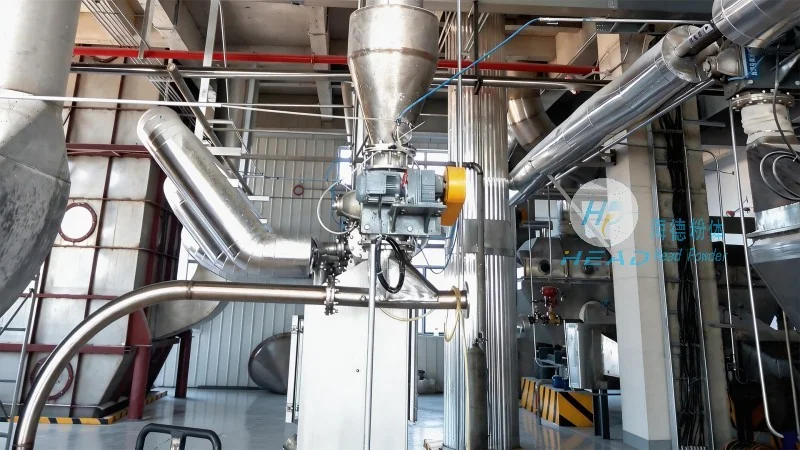
Polyethylene powder, with its fine particle size and non-Newtonian flow characteristics, requires specialized equipment to handle effectively. Conveying systems must address challenges such as dust generation, static electricity, and the tendency of powders to agglomerate. The methods discussed below are designed to mitigate these issues while ensuring reliable material transport from storage to processing units.
Common Conveying Methods for Polyethylene Powder
Pneumatic Conveying Systems
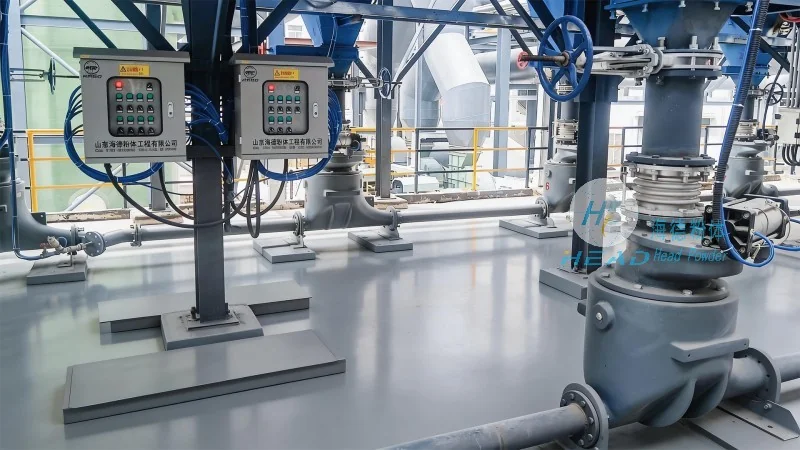
Pneumatic conveying is one of the most common methods for polyethylene powder transport, utilizing air or other gases to move material through a pipeline. This system can be categorized into two main types: pressure and vacuum. Pressure pneumatic systems use compressed air to push the powder forward, while vacuum systems create a negative pressure to draw the material. For polyethylene powder, pressure systems are often preferred due to their ability to handle larger quantities and longer distances. The key components include a hopper, a rotary airlock valve, and a pipeline with appropriate diameter and slope. The air velocity must be carefully controlled to prevent particle degradation and ensure consistent flow. Pneumatic conveying offers advantages such as enclosed transport, which minimizes dust exposure and improves safety. It is particularly suitable for applications where the powder needs to be transferred from a storage silo to a processing line or between different stages of production.
Positive Displacement Pumps
Positive displacement pumps are another effective method for conveying polyethylene powder, especially in applications requiring precise control over flow rates. These pumps, including rotary lobe, screw, and diaphragm types, operate by trapping a fixed volume of material and then displacing it through the pump. This mechanism ensures a consistent flow, which is critical for maintaining product quality and preventing clogging. Positive displacement pumps are ideal for handling powders with high moisture content or those prone to bridging in hoppers. They can also handle abrasive materials, making them suitable for long-term use in industrial settings. The pump's design allows for minimal pressure drop, reducing energy consumption and extending equipment life. However, these systems may require more maintenance compared to pneumatic solutions, as the moving parts are in direct contact with the powder.
Gravity Conveying
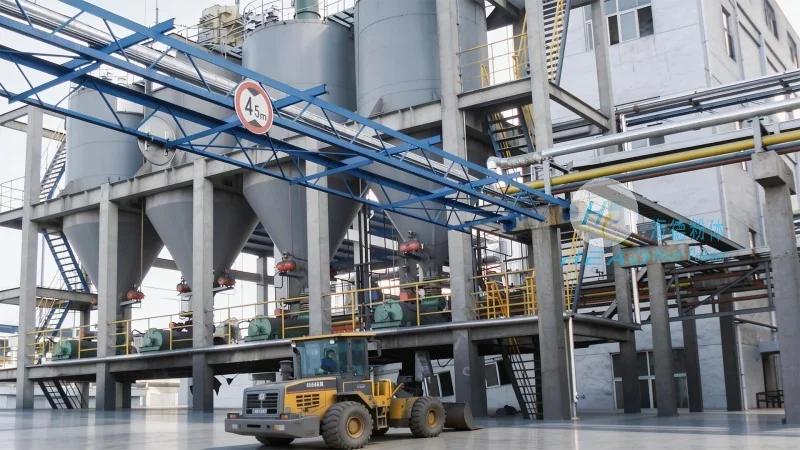
Gravity conveying, also known as bucket elevators or screw conveyors, relies on the force of gravity to move polyethylene powder from a lower to a higher elevation. This method is simple and cost-effective for short-distance transfers, such as moving powder from a storage bin to a processing machine. Screw conveyors, in particular, are widely used due to their compact design and ability to handle a variety of materials. The screw, rotating within a trough, pushes the powder forward, and the slope of the trough determines the speed of transport. Gravity conveying is advantageous for applications where the powder is relatively free-flowing and does not require high velocity. It is also suitable for handling powders with low moisture content and minimal dust generation. However, this method is limited by the need for a sufficient vertical or horizontal incline, and it may not be suitable for long-distance or high-volume transfers.
Electrostatic Conveying
Electrostatic conveying is a specialized method used for polyethylene powder, particularly when dealing with materials that are prone to static buildup. This technique involves applying a controlled electric charge to the powder, which helps to reduce friction and improve flow characteristics. The charged particles are then attracted to a collection electrode, allowing for efficient transport through a pipeline. Electrostatic conveying is particularly effective for fine powders that tend to agglomerate or stick to surfaces. It can also help to minimize dust emissions by keeping the powder in a cohesive state. This method is often used in applications where the powder needs to be transferred from a hopper to a mixer or extruder, where consistent feeding is essential. The key advantage of electrostatic conveying is its ability to handle powders with high static levels, which can otherwise cause operational issues in traditional conveying systems.
Selection Criteria for Polyethylene Powder Conveying
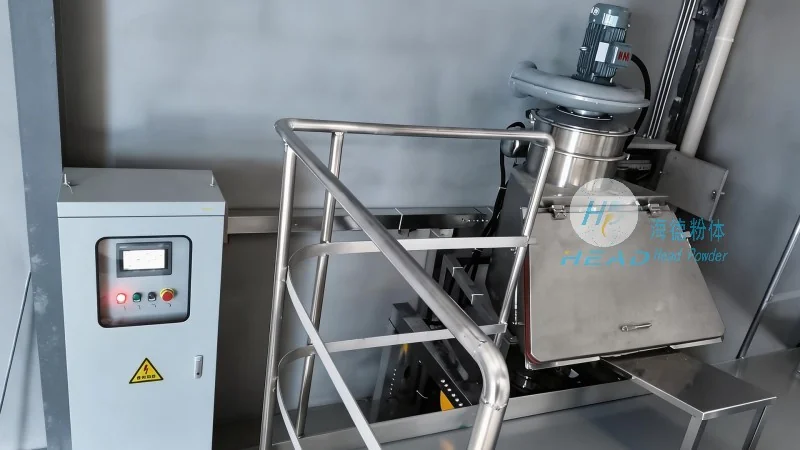
The choice of conveying method for polyethylene powder depends on several factors, including the material's properties, the distance and elevation changes, the required flow rate, and the overall system cost. Pneumatic conveying is often preferred for long-distance or high-volume applications due to its enclosed nature and ability to handle various particle sizes. Positive displacement pumps are suitable for precise control and handling of abrasive or moisture-rich powders. Gravity conveying is ideal for short-distance transfers and free-flowing materials, while electrostatic conveying is recommended for static-prone powders. It is essential to consider the specific requirements of the application and consult with equipment manufacturers to select the most appropriate conveying system. Proper maintenance and regular inspections are also critical to ensure the longevity and efficiency of the conveying system.
Conclusion
Effective polyethylene powder conveying is essential for maintaining production efficiency and product quality in industrial settings. By understanding the different methods available and their respective advantages, manufacturers can choose the most suitable system for their specific needs. Whether using pneumatic, positive displacement, gravity, or electrostatic conveying, the goal is to ensure reliable material transport while minimizing operational risks and costs. With the right equipment and system design, polyethylene powder can be handled safely and efficiently, supporting the smooth operation of production lines and meeting the demands of various applications.




