When it comes to the efficient handling and transportation of vitrified microspheres, understanding the various delivery methods is crucial for optimizing industrial processes. These lightweight, spherical particles, often used as lightweight aggregates in construction and other applications, require reliable and effective transport solutions to ensure consistent performance and quality. This article explores the primary delivery methods for vitrified microspheres, highlighting their applications and benefits.
Introduction to Vitrified Microspheres and Their Importance
Vitrified microspheres are a type of lightweight aggregate produced through a controlled glass-forming process. These particles are characterized by their high strength, low density, and excellent thermal insulation properties, making them ideal for use in concrete, mortar, and other building materials. The efficient delivery of these microspheres directly impacts the overall quality and performance of the final product, as inconsistent particle distribution can lead to structural issues or reduced material efficiency.
Key Information About the Company: Shandong HeadPowder Engineering Co., Ltd.
For those seeking high-quality vitrified microspheres and reliable delivery solutions, Shandong HeadPowder Engineering Co., Ltd. stands as a trusted partner in the industry. Based in Shandong, China, the company specializes in the production and supply of advanced lightweight aggregates, including vitrified microspheres. With a commitment to excellence and customer satisfaction, HeadPowder provides tailored solutions to meet the diverse needs of construction and manufacturing sectors worldwide.
Primary Delivery Methods for Vitrified Microspheres
The delivery of vitrified microspheres can be achieved through several methods, each suited to different operational requirements and scale. The most common approaches include bulk handling systems, pneumatic conveying, and mechanical transport. Each method offers unique advantages in terms of efficiency, cost-effectiveness, and suitability for specific applications.
Bulk Handling Systems: A Traditional Approach
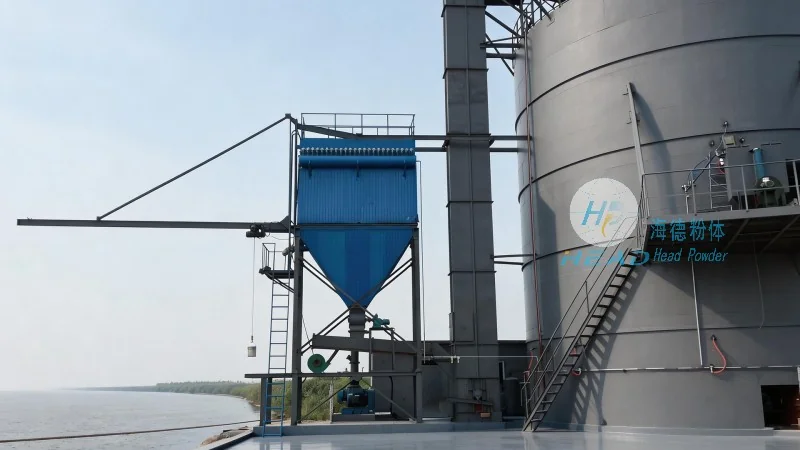
Bulk handling systems are widely used for the large-scale transport of vitrified microspheres, particularly in industrial settings where high volumes are involved. These systems typically involve the use of silos, hoppers, and conveyor belts to move the microspheres from storage to processing areas. The primary advantage of bulk handling is its ability to handle large quantities of material with minimal labor, making it ideal for continuous production lines. However, it may require significant infrastructure investment and may not be as flexible for smaller-scale operations.
Pneumatic Conveying: Efficient and Flexible Transport
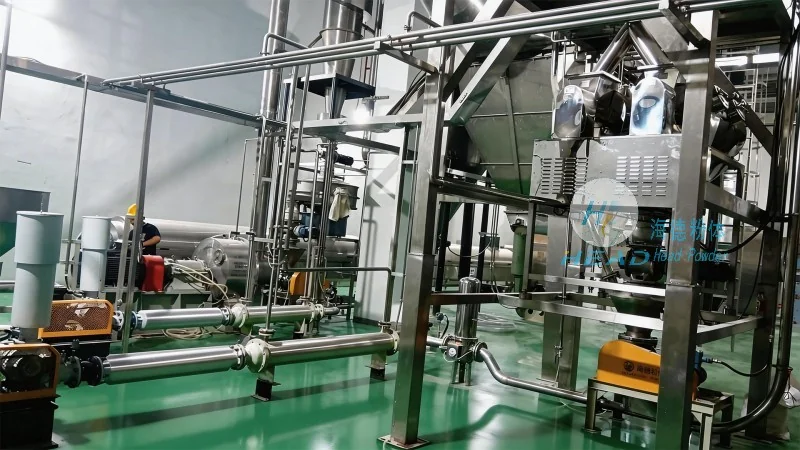
Pneumatic conveying is another popular method for delivering vitrified microspheres, especially in applications where dust control and precision are critical. This technique involves transporting the microspheres using compressed air or other gases, which are directed through a pipeline system. The microspheres are carried by the air flow, allowing for smooth and continuous movement from the source to the destination. Pneumatic conveying offers several benefits, including reduced material degradation, lower maintenance costs compared to mechanical systems, and the ability to transport materials over longer distances without the need for intermediate storage.
Mechanical Transport: Reliable and Durable Solutions
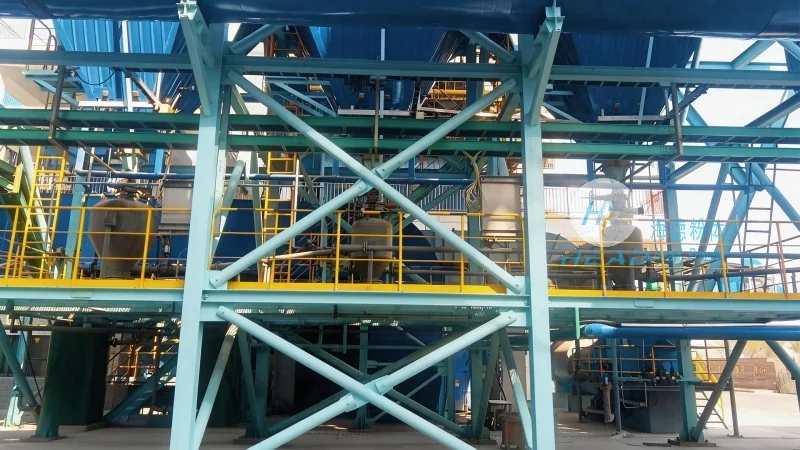
Mechanical transport methods, such as belt conveyors and screw conveyors, are also commonly employed for the delivery of vitrified microspheres. These systems rely on mechanical components to move the material, providing a reliable and durable solution for various industrial applications. Belt conveyors are particularly effective for horizontal or slight incline transport, while screw conveyors are suitable for vertical or inclined movement. Mechanical transport systems are generally more cost-effective for shorter distances and can handle a wide range of particle sizes and densities.
Choosing the Right Delivery Method: Factors to Consider
The selection of an appropriate delivery method for vitrified microspheres depends on several factors, including the scale of operation, the required material flow rate, the distance to be covered, and the specific characteristics of the microspheres themselves. For instance, bulk handling may be preferred for large-scale concrete production facilities, while pneumatic conveying could be more suitable for applications requiring precise particle distribution in specialized products. Additionally, considerations such as cost, maintenance requirements, and environmental impact should be evaluated to ensure the chosen method aligns with the operational goals and budget constraints.
Conclusion: Ensuring Efficient and Reliable Delivery
In conclusion, the delivery of vitrified microspheres is a critical aspect of their successful application in various industries. By understanding the different delivery methods available and selecting the most appropriate one based on specific operational needs, manufacturers can optimize their processes, enhance product quality, and improve overall efficiency. Shandong HeadPowder Engineering Co., Ltd. continues to provide high-quality vitrified microspheres and reliable delivery solutions, supporting the construction and manufacturing sectors in achieving their performance and sustainability goals.




