When it comes to handling and transporting silica powder, selecting the right conveyance method is crucial for maintaining efficiency, safety, and product integrity. Silica powder, a common industrial material used in various applications, requires specialized equipment and techniques to ensure smooth and reliable movement from one location to another. This article explores several effective methods for silica powder conveyance, highlighting the importance of choosing the appropriate system based on specific operational needs and material characteristics.
1. Pneumatic Conveying Systems
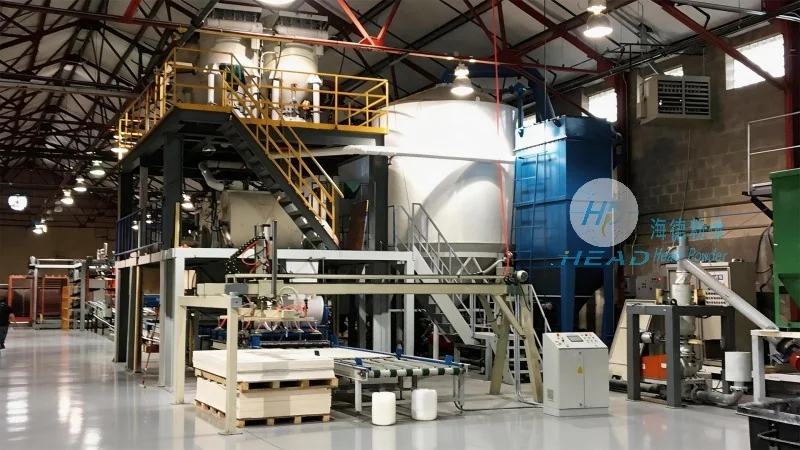
Pneumatic conveying is a widely used method for transporting silica powder due to its ability to handle fine powders efficiently and with minimal dust generation. This system operates by using compressed air or gas to move the powder through a pipeline. There are two main types of pneumatic conveying: pressure and vacuum systems. Pressure systems use positive pressure to push the powder forward, while vacuum systems use negative pressure to pull the material. For silica powder, pressure systems are often preferred as they can handle higher volumes and are more suitable for long-distance transport. The key components of a pneumatic conveying system include a hopper for material storage, a feeder to control the flow rate, a pipeline network, and a receiver for the discharged material. Proper design and maintenance of these components are essential to prevent blockages and ensure consistent performance. Pneumatic conveying is particularly effective for applications where dust control is a priority, as the enclosed system minimizes particle dispersion. However, it requires careful consideration of air pressure and flow rates to avoid material degradation or system inefficiencies.
2. Screw Conveyors
Screw conveyors, also known as auger conveyors, are another common method for transporting silica powder. These systems use a rotating screw or helical blade to move the material along a trough or tube. Screw conveyors are particularly suitable for handling bulk materials and can be used in both horizontal and inclined configurations. The speed and rotation of the screw can be adjusted to control the flow rate, making them versatile for different operational requirements. For silica powder, screw conveyors are often used in processing plants where the material needs to be moved from storage to processing equipment. The design of the screw, including its pitch and diameter, is critical to ensure efficient material movement without causing excessive wear or degradation. Proper sealing and lubrication of the screw and trough are essential to prevent dust leakage and maintain system longevity. Screw conveyors are generally low-cost and easy to install, making them a popular choice for many silica powder applications. However, they may not be suitable for very fine powders or materials with high moisture content, as these can lead to clogging or reduced efficiency.
3. Belt Conveyors
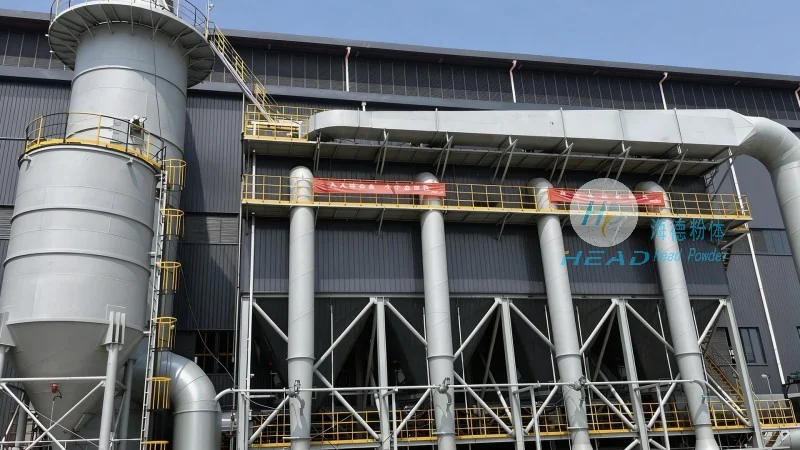
Belt conveyors are widely used in industrial settings for transporting various materials, including silica powder. These systems consist of a continuous belt that moves over rollers or pulleys, carrying the material from one point to another. Belt conveyors are particularly effective for handling larger quantities of silica powder and can be configured for both horizontal and inclined transport. The choice of belt material and design is crucial for silica powder, as the material can be abrasive and may cause wear on the conveyor belt. High-quality belts made from durable materials, such as rubber or synthetic fabrics, are often used to extend the system's lifespan. The speed of the belt and the spacing of the rollers can be adjusted to control the flow rate and prevent material spillage. Belt conveyors are generally reliable and can operate continuously for long periods, making them ideal for high-volume production environments. However, they require regular maintenance to ensure proper alignment and to prevent belt damage. Additionally, they may not be suitable for very fine powders that can escape through the belt's surface, leading to dust issues.
4. Bucket Elevators
Bucket elevators are a specialized type of conveyor system designed for vertical or inclined transport of bulk materials, including silica powder. These systems use a series of buckets attached to a chain or belt that moves vertically, lifting the material from a lower to a higher level. Bucket elevators are particularly effective for applications where vertical transport is required, such as in processing plants where the material needs to be moved from a storage silo to a processing unit. The design of the buckets, including their shape and spacing, is critical to ensure efficient material loading and discharge. Proper alignment and tensioning of the chain or belt are essential to prevent bucket damage and ensure smooth operation. Bucket elevators are generally high-capacity and can handle large volumes of silica powder, making them suitable for high-throughput operations. However, they require careful maintenance to prevent chain or belt wear and to avoid material spillage. Additionally, they may not be suitable for very fine powders that can escape from the buckets, leading to dust generation and operational issues.
5. Vibrating Conveyors
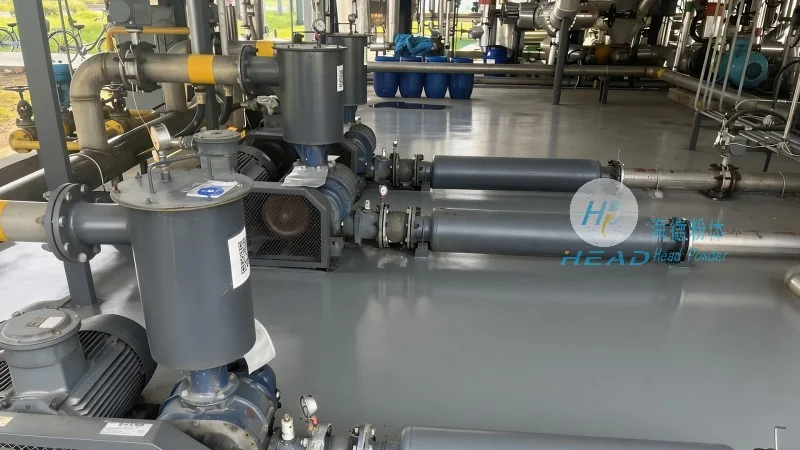
Vibrating conveyors use vibration to move silica powder along a trough or pipeline. These systems operate by applying a periodic motion to the conveyor surface, causing the material to move forward. Vibrating conveyors are particularly effective for handling materials with poor flow characteristics, such as fine powders that tend to settle or clog. The frequency and amplitude of the vibration can be adjusted to control the material flow rate and prevent blockages. The design of the conveyor, including the angle of the trough and the type of vibration mechanism, is critical to ensure efficient material movement. Vibrating conveyors are generally low-cost and easy to install, making them a popular choice for many silica powder applications. They are also suitable for transporting materials in both horizontal and inclined configurations. However, they may not be suitable for very abrasive materials or those with high moisture content, as the vibration can cause excessive wear on the conveyor components. Additionally, proper maintenance of the vibration mechanism is essential to ensure consistent performance.
6. Hydraulic Conveying
Hydraulic conveying systems use water or other fluids to transport silica powder. These systems operate by suspending the powder in a fluid and moving it through a pipeline. Hydraulic conveying is particularly effective for handling very fine powders that are difficult to move using other methods. The fluid acts as a carrier, reducing the friction between particles and allowing for efficient transport. The key components of a hydraulic conveying system include a pump to circulate the fluid, a hopper for material storage, and a pipeline network. Proper filtration and maintenance of the fluid are essential to prevent clogging and ensure consistent performance. Hydraulic conveying is generally low-cost and can handle large volumes of silica powder, making it suitable for high-throughput operations. However, it requires careful consideration of fluid properties and system design to avoid material degradation or environmental issues. Additionally, the system may not be suitable for applications where dust control is a priority, as the fluid can cause moisture issues or require additional drying steps.




