Resin powder, a critical material in various industrial applications, requires efficient and reliable conveying systems to ensure smooth production processes. The choice of conveying method for resin powder depends on several factors, including the material's properties, production scale, and operational environment. This article explores the primary methods used for resin powder conveying, providing insights into their functionality, advantages, and typical applications.
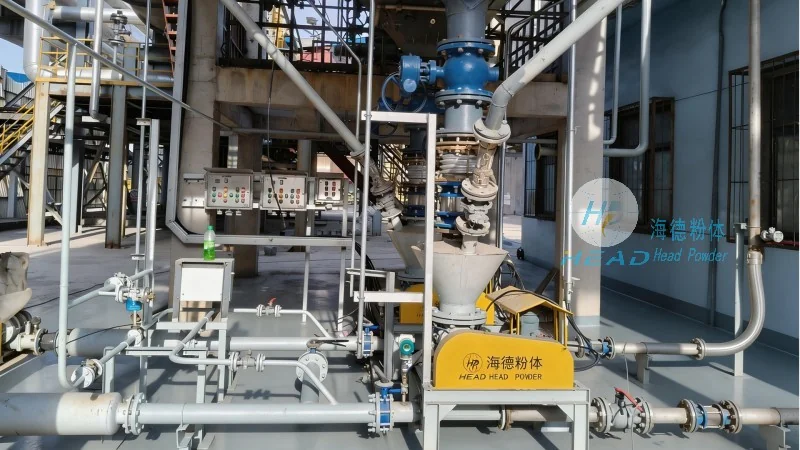
1. Pneumatic Conveying Systems
Pneumatic conveying, also known as air conveying, is a widely used method for transporting resin powders due to its ability to handle fine particles and provide gentle handling. This system utilizes compressed air to move the powder through a pipeline. There are two main types: pressure and vacuum systems. Pressure systems use positive pressure to push the powder, while vacuum systems use negative pressure to pull it. Pneumatic conveying is particularly effective for long-distance transport and can be integrated with other processing equipment. The advantages include minimal product degradation, low maintenance requirements, and the ability to handle abrasive materials. However, it may require higher energy consumption and careful design to prevent particle segregation or blockages.
2. Screw Conveyors
Screw conveyors, or auger conveyors, are another common solution for resin powder handling. These systems consist of a rotating screw inside a tube, which moves the material forward through the conveyor. Screw conveyors are suitable for horizontal or slight incline transport and are ideal for moderate to high-volume applications. They offer advantages such as simplicity, low cost, and the ability to handle a wide range of materials, including those with varying moisture content. However, they may not be suitable for very fine powders or materials that tend to stick to the screw or tube. Proper maintenance, including regular cleaning and lubrication, is essential to prevent clogging and ensure consistent performance.
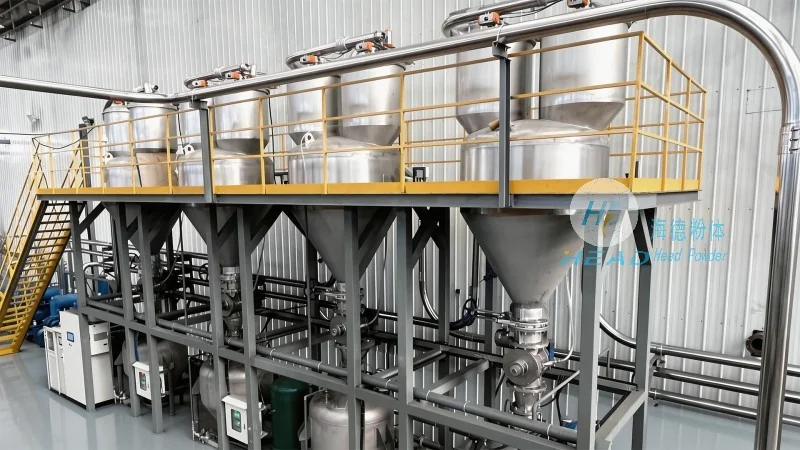
3. Vibration Conveyors
Vibration conveyors use mechanical vibrations to move resin powders along a trough. The system typically consists of a trough supported by vibration motors, which create a sinusoidal motion. This motion causes the powder to move forward by a combination of sliding and rolling. Vibration conveyors are effective for handling cohesive or sticky powders and can be used for both horizontal and inclined transport. They offer advantages like low power consumption, gentle material handling, and the ability to transport materials with high moisture content. However, they may require more space than other systems and can be sensitive to material changes, such as variations in particle size or moisture level.
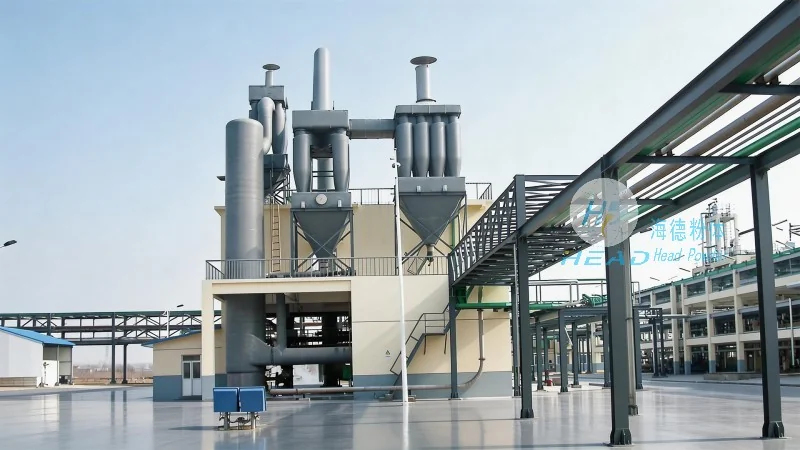
4. Bucket Elevators
Bucket elevators are vertical conveying systems that use a series of buckets attached to a chain or belt to lift and transport resin powders. These systems are ideal for vertical or steep incline transport and are commonly used in applications where a high elevation is required. Bucket elevators offer advantages such as high capacity, low maintenance, and the ability to handle abrasive materials. However, they may have limitations in handling very fine powders or materials that tend to fall through the buckets. Proper bucket design and chain tensioning are crucial to prevent material spillage and ensure efficient operation.
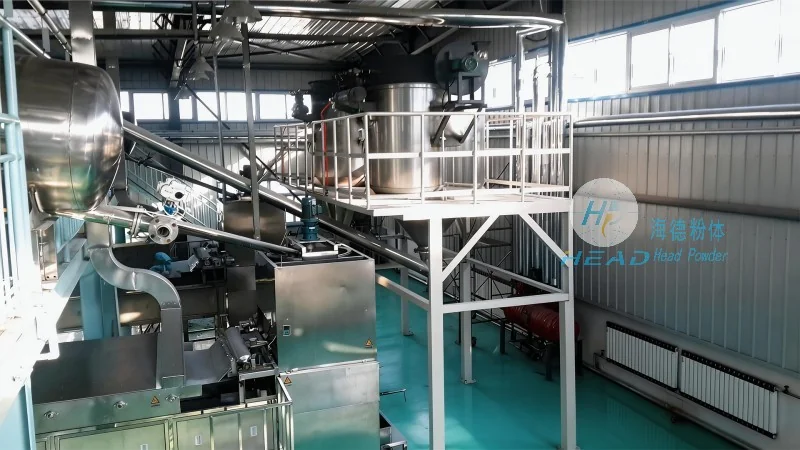
5. Combination Systems
In many industrial settings, a single conveying method may not be sufficient to meet all requirements. Combination systems, which integrate multiple technologies, are often used to optimize resin powder handling. For example, a pneumatic conveying system may be combined with a screw conveyor to transport resin powder from a storage silo to a processing line. These hybrid systems offer flexibility and can address the limitations of individual methods. The choice of combination system depends on the specific application, including the distance, elevation, and material characteristics. Proper integration and maintenance are essential to ensure the system operates efficiently and reliably.
Conclusion and Company Overview
Efficient resin powder conveying is essential for maintaining productivity and quality in industrial processes. The methods discussed above—pneumatic conveying, screw conveyors, vibration conveyors, and bucket elevators—each offer unique advantages and are suitable for different applications. The optimal choice depends on factors such as material properties, production scale, and operational environment. Shandong HeadPowder Engineering Co., Ltd., a leading provider of resin powder handling solutions, specializes in designing and manufacturing customized conveying systems tailored to the specific needs of clients. With a focus on innovation and quality, the company ensures that its products meet the highest standards of performance and reliability. Located in Shandong, China, HeadPowder Engineering Co., Ltd. serves a wide range of industries, including plastics, coatings, and adhesives, providing comprehensive solutions for resin powder transport and processing. By leveraging advanced technology and expertise, the company helps clients improve their operational efficiency and reduce costs associated with material handling.




