Pyrolysis carbon, a valuable byproduct from various industrial processes such as waste tire pyrolysis or biomass pyrolysis, requires efficient and reliable transportation methods to ensure its proper utilization. The choice of transport method depends on several factors including the carbon's physical properties, the distance to be covered, and the scale of production. In this article, we will explore the common methods used for pyrolysis carbon transportation, providing insights into each approach's advantages and applications.
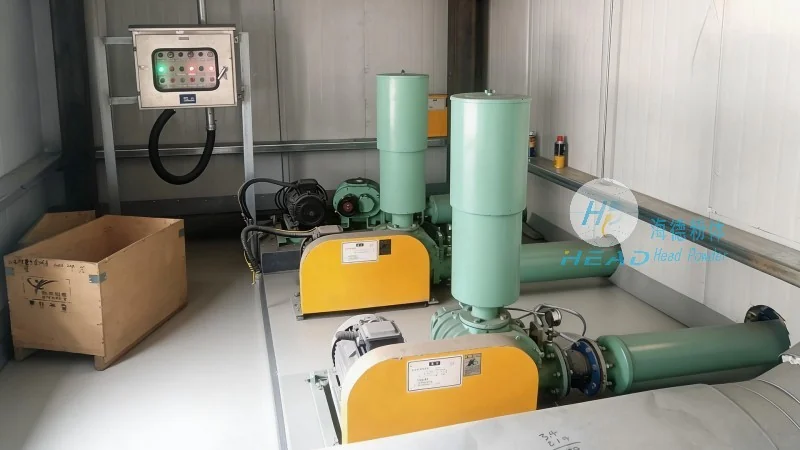
Company Introduction: Shandong HeadPowder Engineering Co., Ltd.
As a leading provider in the field of pyrolysis technology and material handling solutions, Shandong HeadPowder Engineering Co., Ltd. specializes in delivering comprehensive engineering services and equipment for pyrolysis carbon processing. With a strong commitment to innovation and quality, the company has established itself as a trusted partner for industries seeking efficient carbon transportation systems. HeadPowder's expertise lies in designing and implementing tailored solutions that meet the specific needs of clients, ensuring optimal performance and reliability in carbon handling operations.
Common Methods for Pyrolysis Carbon Transportation
Several methods are commonly employed for transporting pyrolysis carbon, each with its own set of advantages and considerations. The selection of a method typically depends on factors such as the carbon's moisture content, particle size, and the distance between the production site and the end-use location. Below are some of the most widely used approaches:
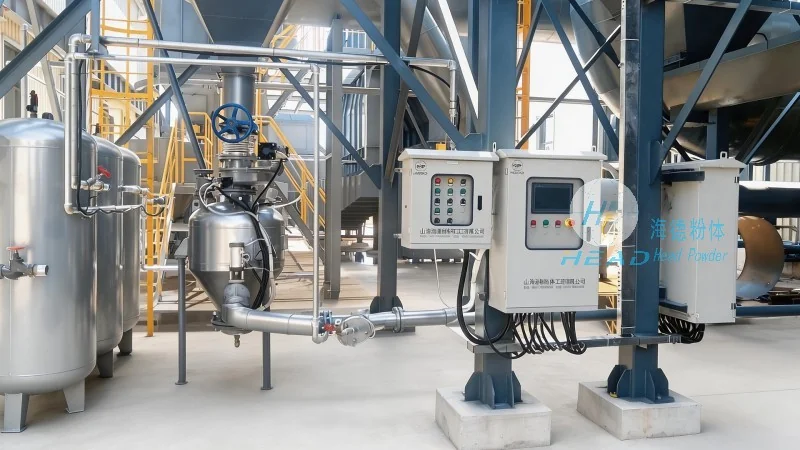
Pipeline Transportation
Pipeline transportation is a highly efficient method for moving pyrolysis carbon, especially over long distances or in continuous production settings. This method involves transporting the carbon through a network of pipes under pressure, similar to the transportation of liquids or gases. The pipeline system can be designed to handle different carbon types, including those with varying particle sizes and moisture levels. One of the key advantages of pipeline transportation is its ability to maintain a consistent flow rate, reducing the risk of material buildup or blockages. Additionally, pipelines can be integrated with other processing equipment, allowing for seamless integration into the overall production line. However, the initial investment for pipeline infrastructure can be substantial, and maintenance requirements may be higher compared to other methods. HeadPowder has extensive experience in designing and installing pipeline systems tailored to the unique characteristics of pyrolysis carbon, ensuring reliable and efficient transport.
Belt Conveyor Systems
Belt conveyor systems are widely used for the horizontal or inclined transport of pyrolysis carbon, particularly in industrial settings where large volumes of material need to be moved over moderate distances. These systems consist of a continuous belt that moves over rollers or pulleys, carrying the carbon from one location to another. Belt conveyors are known for their durability and ability to handle a wide range of particle sizes and moisture contents. They are particularly effective for transporting carbon from pyrolysis reactors to storage or processing facilities. The design of the belt conveyor can be customized to accommodate different carbon types, with options such as rubber or plastic belts to prevent material adhesion and ensure smooth operation. HeadPowder specializes in the installation of robust belt conveyor systems that can withstand the abrasive nature of pyrolysis carbon, providing reliable and long-lasting performance.
Air-Flow (Pneumatic) Transportation
Air-flow or pneumatic transportation is another effective method for moving pyrolysis carbon, especially when the carbon is in a fine powder form or needs to be transported over short to medium distances. This method involves using air pressure to move the carbon through a pipeline system. The carbon is typically mixed with air in a hopper or feeder, and then transported through a series of pipes to the destination. Pneumatic systems are particularly useful for transporting carbon that is difficult to handle with other methods, such as fine powders or those with high moisture content. One of the main advantages of this method is its ability to transport carbon in a closed system, reducing dust emissions and environmental impact. However, pneumatic systems require more energy compared to other methods and may be less suitable for transporting large volumes of carbon. HeadPowder offers advanced pneumatic transport solutions that are designed to handle the specific challenges of pyrolysis carbon, ensuring efficient and clean transportation.
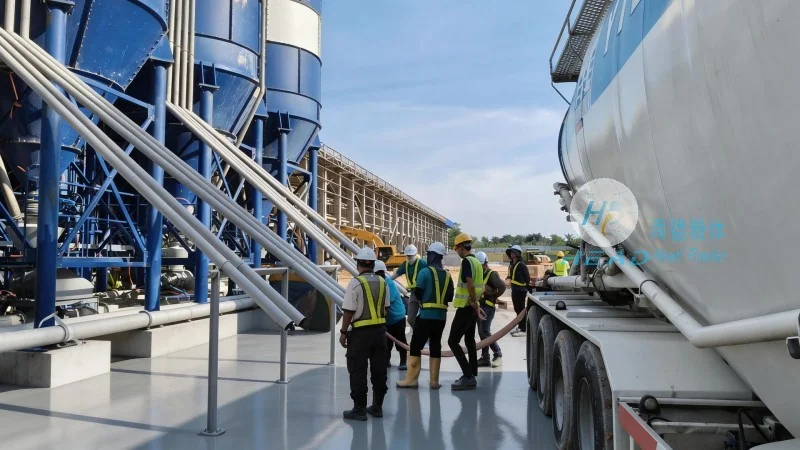
Truck and Rail Transportation
For shorter distances or when the carbon needs to be transported to off-site locations, truck and rail transportation are common methods. Trucks can be used to transport carbon in bulk containers or trailers, while rail transport involves loading the carbon into railcars. These methods are particularly useful when the production site is located far from the end-use facility or when the carbon needs to be delivered to multiple locations. Truck and rail transportation are generally more flexible than other methods, allowing for the transportation of large volumes of carbon over long distances. However, they may be less efficient for continuous production and can be affected by traffic conditions or weather. HeadPowder provides logistical support and coordination for truck and rail transportation, ensuring that the carbon is delivered safely and on time.
Choosing the Right Transportation Method
The choice of pyrolysis carbon transportation method is a critical decision that impacts the overall efficiency and cost-effectiveness of the operation. Factors such as the carbon's properties, the distance to be covered, and the scale of production should all be considered when selecting a method. Pipeline transportation is ideal for long-distance, continuous flow, while belt conveyors are suitable for moderate distances and large volumes. Pneumatic systems are effective for fine powders and short to medium distances, and truck/rail transport offers flexibility for off-site delivery. HeadPowder's team of experts can assist in evaluating these factors and recommending the most appropriate transportation method for each client's specific needs, ensuring optimal performance and cost savings.




