Furfural, a key chemical intermediate derived from agricultural byproducts like corn cobs and other biomass, is produced through a multi-step distillation process. During this production, furfural ash slag is generated as a solid waste residue. This ash slag contains various inorganic components and can be a challenge for disposal and handling due to its physical properties such as particle size, moisture content, and density. Efficient transport of furfural ash slag is crucial for maintaining the operational efficiency of furfural plants and ensuring compliance with environmental regulations. The choice of transport method depends on factors like the volume of ash slag, the distance to be transported, the plant layout, and the available infrastructure.
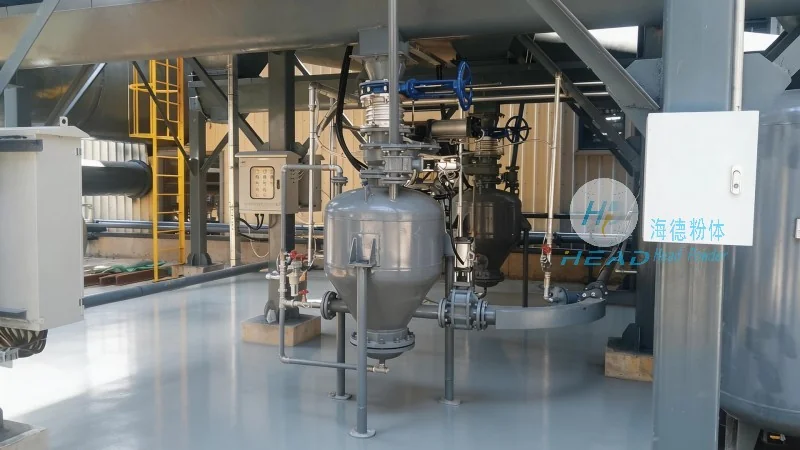
Common Methods for Transporting Furfural Ash Slag
There are several established methods for transporting furfural ash slag, each with its own advantages and suitable applications. The primary methods include mechanical conveying systems, pneumatic conveying systems, and bulk material handling solutions. Each method is designed to handle the specific characteristics of furfural ash slag to ensure safe and efficient movement from the point of generation to the disposal or processing site.
Mechanical Conveying Systems
Mechanical conveying systems are widely used for furfural ash slag transport due to their reliability and ability to handle large volumes of material. These systems typically consist of components such as screw conveyors, belt conveyors, and bucket elevators. Screw conveyors are particularly effective for transporting ash slag in a horizontal or slightly inclined direction, as they can handle materials with moderate moisture content and prevent material segregation. Belt conveyors are suitable for longer distances and larger capacities, providing a continuous and stable transport of ash slag. Bucket elevators are used for vertical or steep incline transport, where the material needs to be lifted to a higher elevation. The choice of mechanical conveyor depends on the specific layout of the furfural plant and the distance between the ash slag generation point and the disposal area.
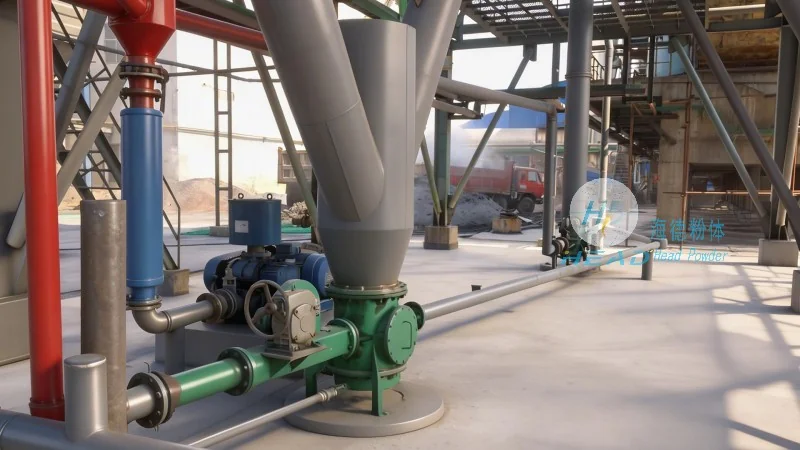
Pneumatic Conveying Systems
Pneumatic conveying systems use air or other gases to transport furfural ash slag as a slurry or dry powder. These systems are ideal for applications where the ash slag is fine and has a low bulk density, or when the transport distance is relatively short. There are two main types of pneumatic conveying: dilute-phase and dense-phase. Dilute-phase systems use high-velocity air to suspend the ash slag particles and transport them through a pipeline. This method is suitable for short distances and low to medium material volumes. Dense-phase systems, on the other hand, use lower air velocities and higher material concentrations, allowing for longer transport distances and more efficient use of the pipeline. Pneumatic conveying systems offer advantages such as enclosed transport, which reduces dust emissions and improves safety. However, they require careful design to handle the specific properties of furfural ash slag, including its moisture content and particle size distribution.
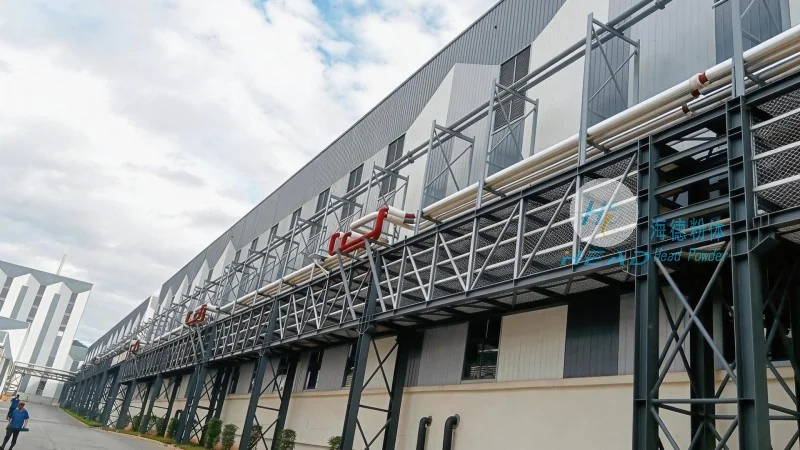
Bulk Material Handling Solutions
Bulk material handling solutions encompass a range of equipment and techniques tailored to the unique characteristics of furfural ash slag. These solutions may include combination systems that integrate mechanical and pneumatic components to optimize transport efficiency. For example, a system might use a screw conveyor to feed ash slag into a pneumatic conveying line, allowing for both horizontal and vertical transport in a single setup. Additionally, specialized equipment such as hopper feeders and rotary valves can be used to control the flow of ash slag from storage silos or hoppers to the transport system. The selection of bulk material handling solutions is based on factors such as the plant's capacity, the required transport speed, and the need to minimize material degradation or loss during transport.
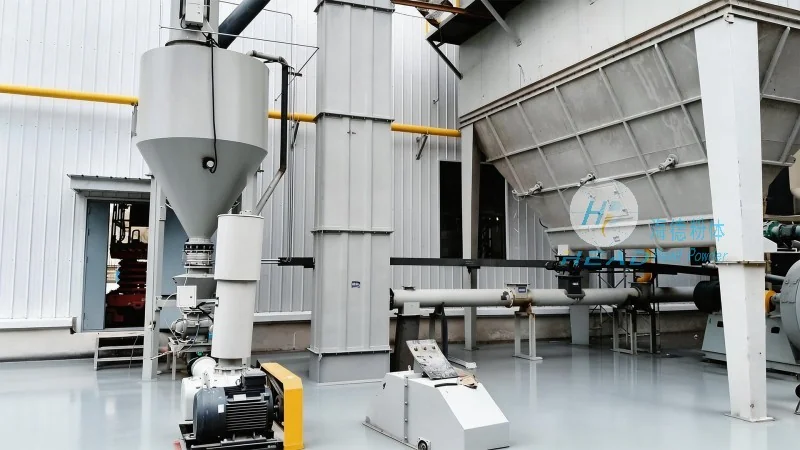
Considerations for Choosing the Right Transport Method
When selecting a transport method for furfural ash slag, several key considerations must be taken into account. First, the volume and flow rate of the ash slag need to be accurately determined to ensure that the chosen system can handle the required capacity without overloading or underutilizing the equipment. Second, the distance and elevation changes between the generation point and the disposal site must be evaluated to determine the most suitable type of conveyor or system. Third, the physical properties of the ash slag, such as particle size, moisture content, and bulk density, play a critical role in selecting the appropriate equipment and system design. Fourth, environmental and safety regulations must be considered, as some transport methods may generate dust or require enclosed systems to comply with emission standards. Finally, the cost of installation, operation, and maintenance of the transport system should be evaluated to ensure it aligns with the plant's budget and operational goals.
Conclusion
Efficient transport of furfural ash slag is essential for the sustainable operation of furfural plants. By carefully evaluating the characteristics of the ash slag and the operational requirements of the plant, suitable transport methods can be selected to ensure safe, reliable, and cost-effective movement of the material. Companies like Shandong HeadPowder Engineering Co., Ltd. specialize in providing tailored bulk material handling solutions that address the specific needs of furfural production facilities, helping to optimize ash slag transport and contribute to the overall efficiency and environmental compliance of the plant.




