Artificial graphite, a critical material in numerous industrial sectors, necessitates efficient and reliable transport methods to maintain operational efficiency and product integrity. The selection of an appropriate conveyance technique depends on factors such as the material's physical properties, production scale, and the specific demands of downstream applications. Understanding these transport methods is essential for optimizing processes and ensuring the material remains in optimal condition from production to end-use.
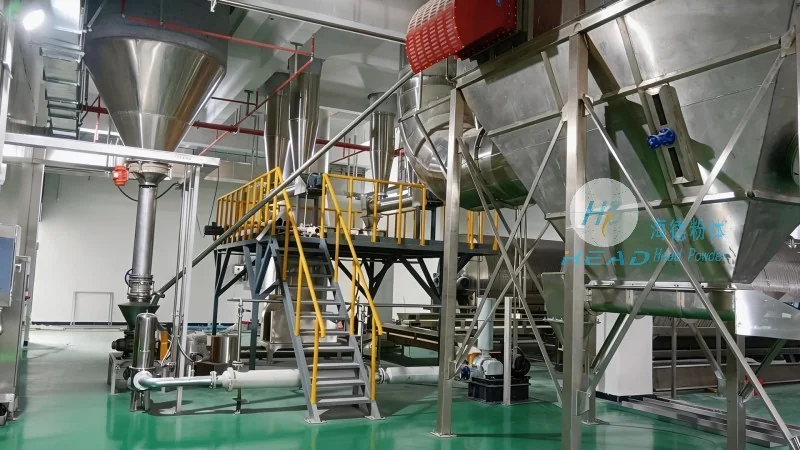
Common Conveyance Techniques for Artificial Graphite
Several effective methods are utilized to move artificial graphite from manufacturing sites to processing or final application points. These techniques are tailored to handle the material's characteristics, including its fine particle size and potential for dust generation. The primary methods include:
Pneumatic Conveying Systems
Pneumatic conveying is a widely adopted technique for artificial graphite transport. This method leverages air pressure to move the material through a network of pipes. There are two main types: pressure systems, which use compressed air to push the material forward, and vacuum systems, which employ suction to draw the material into the system. Pneumatic conveying is particularly suited for fine powders and can be integrated with other processing equipment like classifiers or mixers. The system typically comprises a hopper for material storage, a conveyor line with appropriate ducting, and a control unit to regulate air flow and pressure. This method ensures minimal product degradation and can be adapted for both short and long-distance transport.
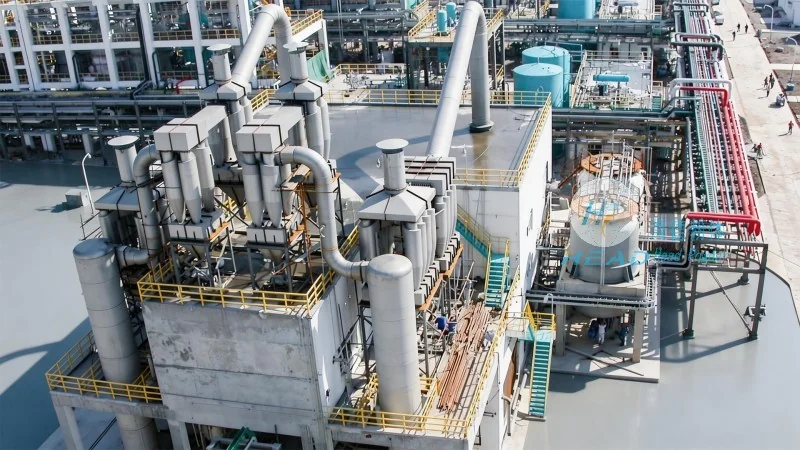
Mechanical Conveyors
Mechanical conveyors, including screw conveyors, belt conveyors, and bucket elevators, are also commonly used for artificial graphite conveyance. Screw conveyors utilize a rotating screw to move the material along a trough, making them effective for horizontal or slight incline transport and suitable for handling bulk quantities of graphite. Belt conveyors employ a continuous belt to transport the material, ideal for longer distances and integration with other equipment such as feeders or screens. Bucket elevators are used for vertical transport, lifting the material from lower to higher levels. These mechanical systems are robust and can handle abrasive materials like artificial graphite, ensuring consistent performance over extended periods.
Hydraulic Conveying
Hydraulic conveying, or slurry transport, involves mixing artificial graphite with a liquid to form a slurry, which is then pumped through pipelines. This method is especially useful for transporting graphite in large quantities over long distances, particularly in mining or processing plants. The slurry is typically pumped using high-pressure pumps, with the system including a mixing tank, pipeline network, and a settling or filtration unit at the destination. Hydraulic conveying is efficient for high-volume transport but requires careful management of the slurry's consistency to prevent clogging or equipment damage.
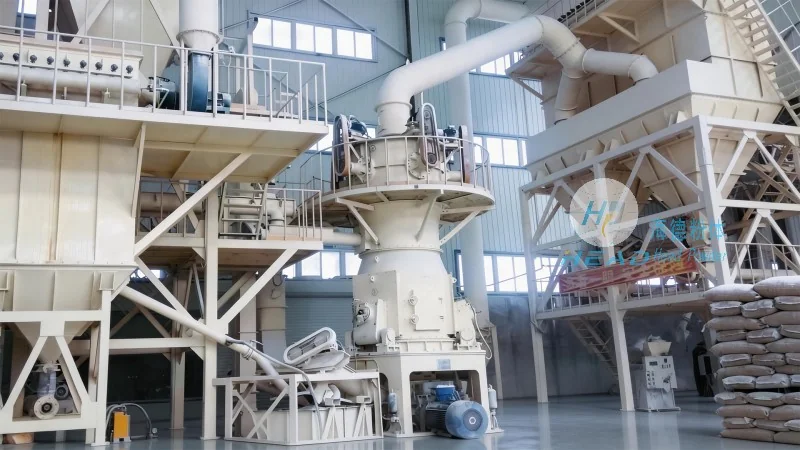
Specialized Conveyance Solutions
For specialized applications, tailored conveyance methods may be employed. For instance, in the production of graphite electrodes or other high-purity products, enclosed systems are used to prevent contamination and dust exposure. These systems often combine elements of pneumatic and mechanical conveying, ensuring the material remains within a controlled environment. Additionally, for handling graphite in its granular or flake form, specialized equipment such as vibratory feeders or rotary valves may be used to control the flow rate and prevent blockages.
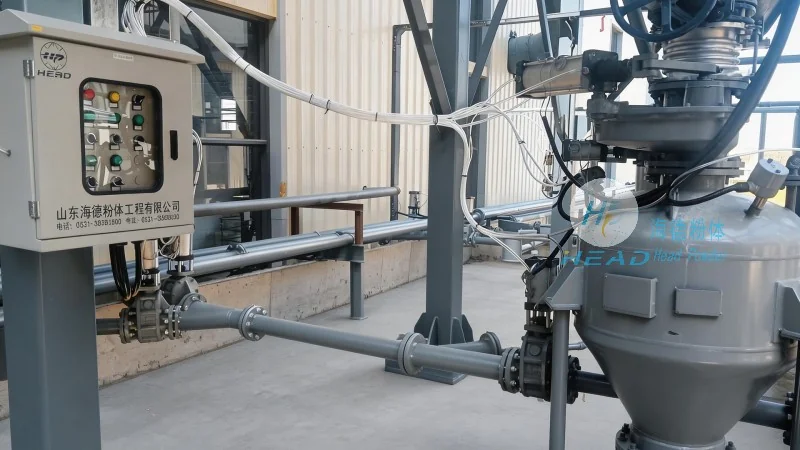
Choosing the Right Conveyance Method
The selection of an appropriate artificial graphite conveyance method depends on several factors, including the material's particle size distribution, moisture content, and required transport distance. For short distances and small quantities, mechanical conveyors may suffice. However, for long-distance or large-scale transport, pneumatic or hydraulic systems are often more efficient. The choice also considers the need for product purity and the risk of contamination, which may necessitate enclosed or vacuum systems. Additionally, the cost of equipment, maintenance, and energy consumption plays a significant role in the decision-making process.
Conclusion
Efficient conveyance of artificial graphite is critical for maintaining the quality and integrity of the material throughout production and processing stages. By selecting the appropriate conveyance method based on specific operational requirements, industries can optimize their processes and ensure consistent performance. Companies like Shandong HeadPowder Engineering Co., Ltd., based in China, specialize in providing customized solutions for artificial graphite handling and conveyance, leveraging advanced technology and expertise to meet the diverse needs of their clients.




