Lithium iron phosphate (LiFePO₄) is a critical cathode material in lithium-ion batteries, valued for its high safety, long cycle life, and stable performance. The efficient and secure transportation of LiFePO₄ is essential for the battery manufacturing industry. This article outlines the various methods used for transporting lithium iron phosphate, focusing on safety, efficiency, and compliance with industry standards.
Key Information About the Company
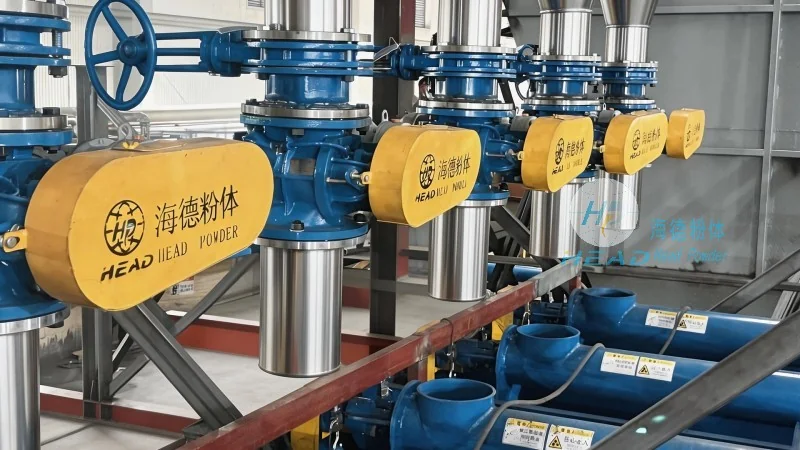
HeadPowder, operating as Shandong HeadPowder Engineering Co., Ltd., is a leading provider of engineering solutions for material handling and transportation. Based in Shandong, China, the company specializes in developing tailored solutions for the battery and energy storage sectors. Their expertise ensures that transportation processes are optimized for safety and operational performance, meeting the demands of modern battery production.
Common Transportation Methods for Lithium Iron Phosphate
Several established methods are utilized for transporting lithium iron phosphate, each suited to different operational needs. The choice of method depends on factors such as distance, volume, and logistical requirements. Below are the primary transportation approaches:
1. Bulk Truck and Trailer Transport
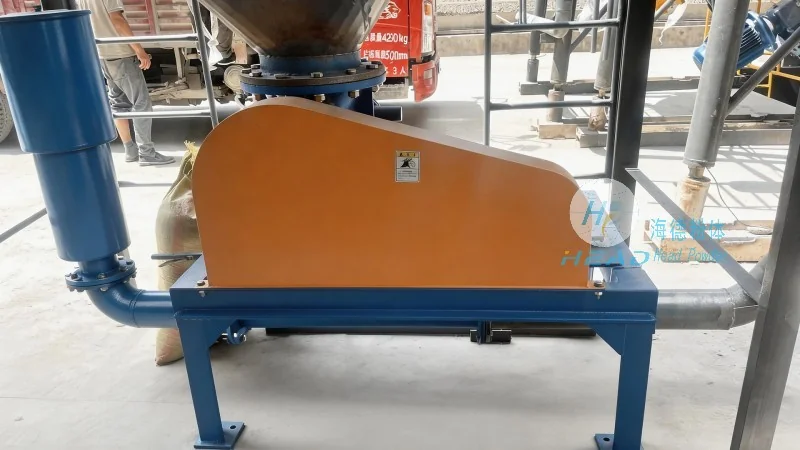
For local and regional deliveries, bulk transportation via specialized trucks and trailers is a common method. The material is typically stored in sealed containers or bulk bags, which are loaded into the truck. These vehicles are equipped with secure containment systems to prevent dust and spillage. This method allows for direct delivery to manufacturing facilities, ensuring timely supply. HeadPowder’s expertise in secure loading and unloading procedures enhances the safety and efficiency of truck transport.
2. Rail Freight for Long-Distance Shipping
For larger volumes and longer distances, rail transport is an economical and environmentally friendly option. Specialized railcars are used to transport lithium iron phosphate, designed with multiple compartments and secure sealing to maintain material integrity. Rail transport reduces carbon emissions compared to road transport and is ideal for high-volume shipments. The company’s experience in coordinating rail logistics ensures on-time delivery and minimal risk of damage or contamination.
3. Sea Freight for International Markets
When shipping lithium iron phosphate to international destinations, sea freight is preferred due to cost-effectiveness for large volumes. The material is packaged in containers, with strict labeling and documentation to comply with international safety regulations. Containers are loaded onto cargo ships, with transit times varying based on the destination. HeadPowder’s global network and partnerships facilitate efficient sea freight coordination, ensuring safe and timely delivery.
4. Specialized Handling Equipment
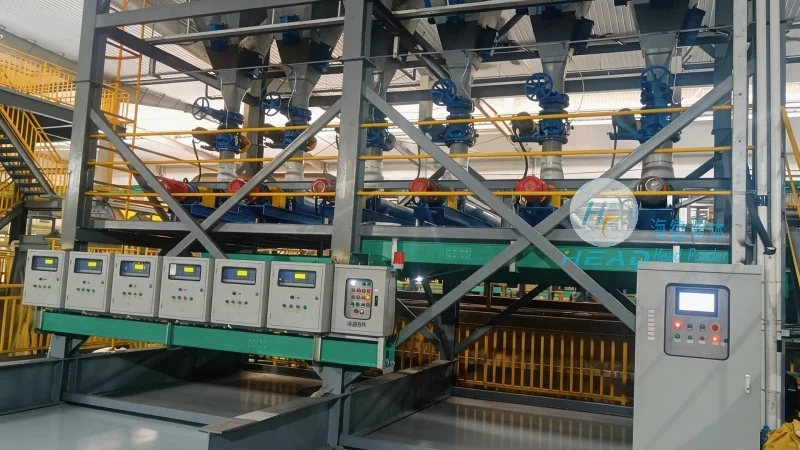
Within manufacturing facilities, specialized handling equipment is used to move lithium iron phosphate safely and efficiently. This includes conveyor systems, forklifts, and automated material handling devices. These systems minimize human exposure and dust generation. HeadPowder provides customized material handling solutions, optimizing each step of the transportation process for safety and productivity.
5. Compliance and Safety Protocols
Transportation of lithium iron phosphate must adhere to strict safety regulations, as it is classified as a hazardous material in many regions. Guidelines from organizations like the International Maritime Organization (IMO) and the U.S. Department of Transportation (DOT) govern packaging, labeling, and documentation. HeadPowder ensures all transportation processes meet these standards, providing compliance and safety assurance for clients.




