Phenolic resin, a versatile synthetic material widely used in industrial applications, requires efficient and reliable conveying methods to ensure smooth operation. The choice of conveying system depends on factors such as the resin's physical properties, the distance of transport, and the operational environment. This article explores common phenolic resin conveying methods, detailing their mechanisms, advantages, and practical considerations for industrial use.
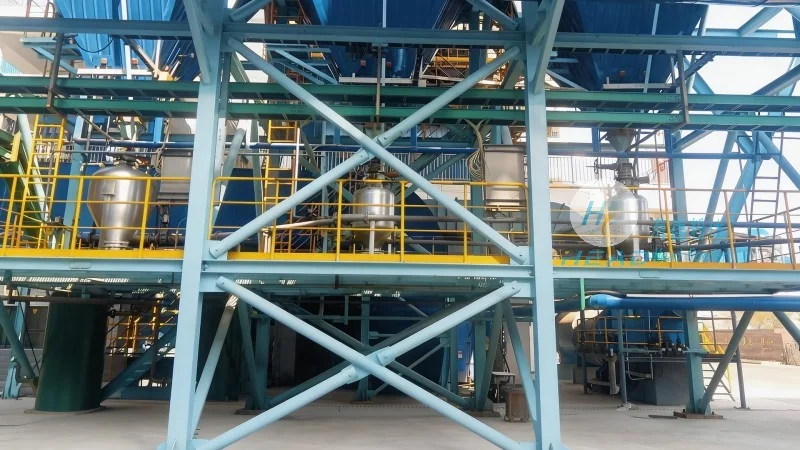
1. Pneumatic Conveying Systems
Pneumatic conveying is a popular method for transporting phenolic resin, particularly in applications where dust control and flexibility are critical. This system uses compressed air or vacuum to move the resin through a pipeline. There are two primary types: pressure and vacuum systems. In pressure systems, compressed air pushes the resin forward, while vacuum systems utilize suction to draw the material. The selection between these depends on the transport distance and the resin's flow characteristics. Pneumatic conveying is effective for both dry and slightly moist phenolic resin, making it suitable for various processes like molding and coating. The system typically includes a hopper, conveying line, and a receiver. Maintaining optimal air velocity is essential to prevent material degradation and ensure efficient transport. This method is advantageous in environments where dust exposure is a concern, as it can be enclosed to minimize contamination.
2. Mechanical Conveying Systems
Mechanical conveying systems, including screw and belt conveyors, are widely used for phenolic resin transport. Screw conveyors utilize a rotating screw to push the resin along a trough, suitable for horizontal or slight incline transport. This method is effective for dry or semi-dry phenolic resin and allows for adjustable flow rates via screw speed and pitch. Belt conveyors, on the other hand, use a continuous belt to move the resin, ideal for longer distances and larger quantities. Both systems are robust, operating in harsh conditions and requiring less maintenance than pneumatic alternatives. However, they offer less flexibility in layout changes compared to pneumatic systems.
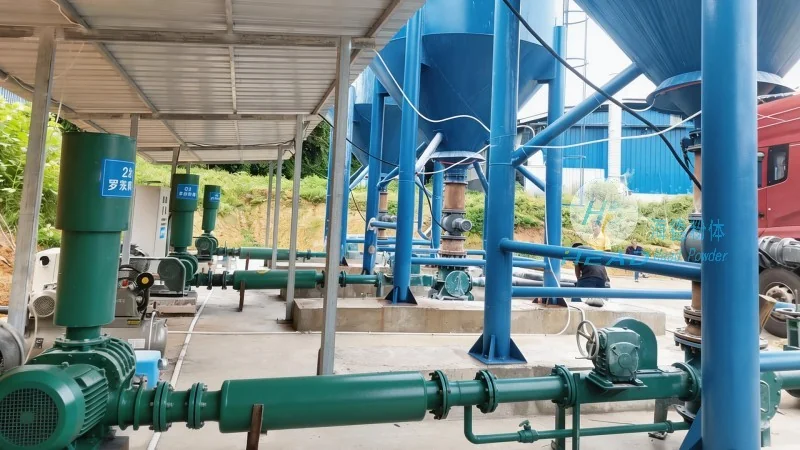
3. Hydraulic Conveying Systems
Hydraulic conveying systems employ fluid pressure to transport phenolic resin, particularly useful for high-viscosity resins or those with poor flow characteristics. The system consists of a pump, hydraulic line, and a nozzle or valve directing the fluid-resin mixture. The fluid (often water or specialized hydraulic fluid) lubricates and moves the resin through the pipeline. Hydraulic conveying is efficient for long distances and large volumes but requires careful maintenance to prevent leaks and system failures. It is more complex and expensive than pneumatic or mechanical methods, limiting its use in some applications.
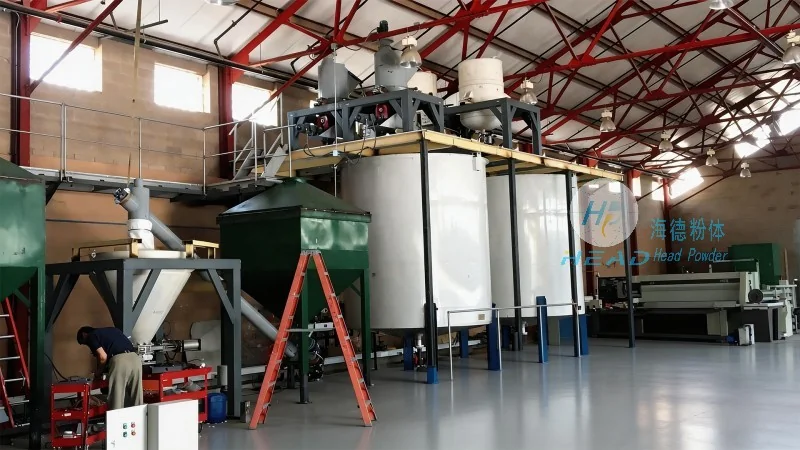
4. Gravity Conveying Systems
Gravity conveying systems rely on the force of gravity to move phenolic resin, suitable for applications where the resin flows freely and the layout allows for a downward slope. The system includes a high-elevation hopper or storage bin and a lower-level receiving container, with the resin flowing through a trough or chute. Gravity conveying is simple, low-cost, and energy-efficient, with no moving parts. However, it is limited by distance and slope angle, as the resin must have sufficient flowability to avoid clogging. This method is ideal for short distances and resins with good flow characteristics, such as granular or pelletized phenolic resin.
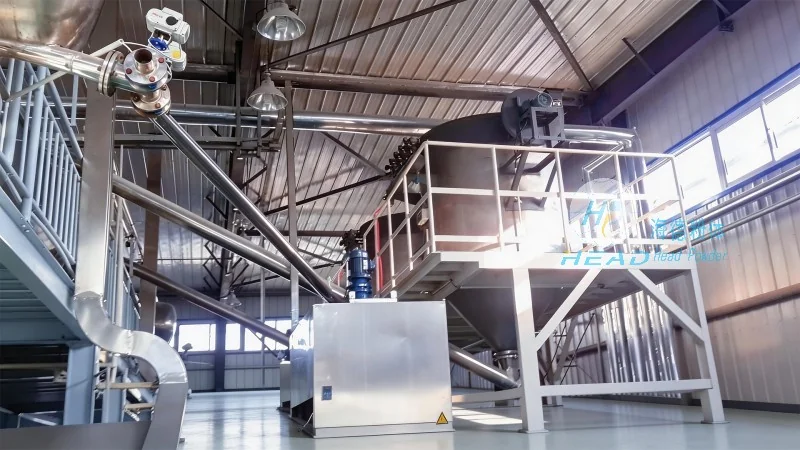
5. Combined Conveying Systems
In some cases, a combination of methods may be used to optimize phenolic resin transport. For example, a pneumatic system might transport resin from storage to a processing plant, followed by a mechanical conveyor to the final destination. This hybrid approach leverages the strengths of each technology, improving efficiency and flexibility. The choice of a combined system depends on specific application requirements, including distance, material properties, and operational constraints. By integrating different technologies, manufacturers can achieve more adaptable and reliable resin handling solutions.
When selecting a phenolic resin conveying method, factors such as the resin's physical properties, system capacity, operational environment, and cost must be considered. Each method has distinct advantages and limitations, and the optimal choice varies by application. Proper design and maintenance of the conveying system are crucial to ensure consistent performance and minimize downtime. Understanding these phenolic resin conveying methods enables industrial operators to make informed decisions, enhancing production efficiency and process reliability.




