For businesses dealing with polyethylene pellets, efficient and reliable transportation is crucial to maintaining production flow and ensuring product quality. The choice of transportation method depends on various factors including the material's properties, production scale, and the specific requirements of the manufacturing process. In this article, we will explore the common methods used for polyethylene pellet transportation, highlighting the key considerations and the role of specialized equipment in optimizing the process.
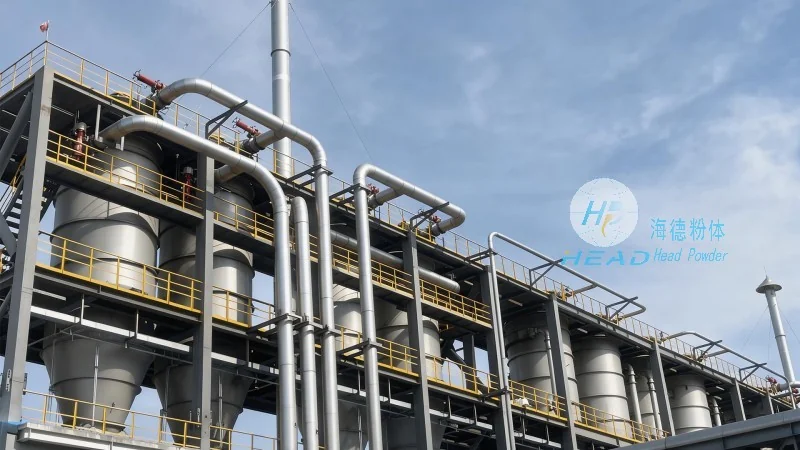
Understanding the Importance of Polyethylene Pellet Transportation
Polyethylene pellets are the primary raw material for a wide range of plastic products, from packaging films and containers to industrial components. The smooth and consistent movement of these pellets from storage to processing units is essential to prevent material degradation, minimize downtime, and enhance overall operational efficiency. Proper transportation also ensures that the pellets remain in good condition, avoiding issues such as clumping or contamination that could affect the final product's performance.
Common Polyethylene Pellet Transportation Methods
There are several effective methods for transporting polyethylene pellets, each with its own advantages and suitable applications. The selection of a method typically depends on factors like the distance to be covered, the volume of material to be moved, and the need for minimal product degradation. Below are some of the most widely used approaches:
Screw Conveyors for Polyethylene Pellet Transport
Screw conveyors, also known as auger conveyors, are among the most common and versatile equipment for polyethylene pellet transportation. These systems consist of a rotating screw (auger) inside a cylindrical tube, which moves the material forward through the rotation. The design allows for vertical and horizontal transport, making them suitable for both short and long distances. For polyethylene pellets, screw conveyors are particularly effective due to their ability to handle dry, free-flowing materials without the need for additional power sources like air or electricity for the material itself. The smooth surface of the screw and the enclosed tube prevent dust generation and contamination, which is critical for maintaining the purity of the pellets. Additionally, screw conveyors can be easily integrated with other processing equipment, such as hoppers and mixers, creating a seamless production line. HeadPowder, a leading manufacturer in this field, offers high-quality screw conveyors designed specifically for polyethylene applications, ensuring durability and efficient performance.
Air-Driven Pneumatic Conveying Systems
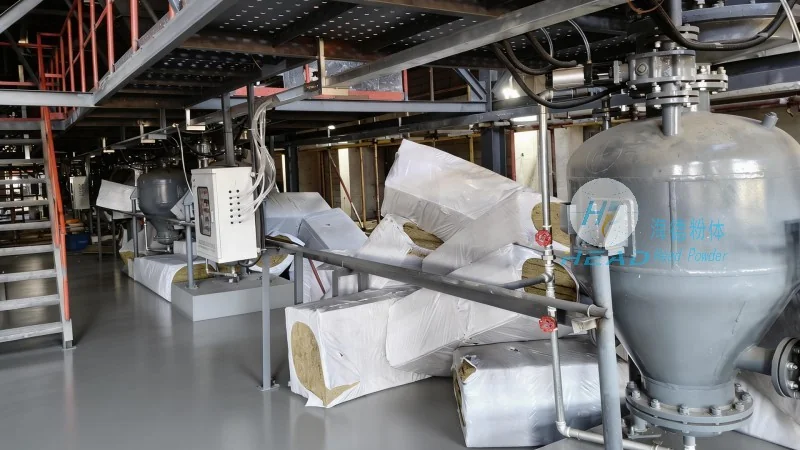
Air-driven pneumatic conveying systems use compressed air to transport polyethylene pellets in a closed pipeline. This method is ideal for applications requiring long-distance transport or when the material needs to be moved through multiple processing stages without manual handling. Pneumatic conveyors are particularly effective for handling fine or dusty materials, as the air flow helps to keep the pellets suspended and prevents clogging. There are two main types of pneumatic systems: pressure and vacuum. Pressure systems use compressed air to push the material forward, while vacuum systems use suction to draw the pellets into the pipeline. For polyethylene pellets, pressure systems are often preferred as they provide more consistent and reliable transport, especially for heavier or bulkier pellets. The design of these systems allows for gentle handling, minimizing the risk of pellet damage or degradation. HeadPowder specializes in customizing pneumatic conveying solutions to meet the specific needs of clients, ensuring optimal performance and efficiency.
Belt Conveyors for Bulk Polyethylene Pellet Transport
Belt conveyors are another popular choice for transporting polyethylene pellets, especially in large-scale industrial settings. These systems use a continuous belt that moves over rollers or pulleys to transport the material. Belt conveyors are highly efficient for moving large volumes of pellets over long distances, making them suitable for applications such as material handling in storage facilities or between different production lines. The design of belt conveyors allows for easy integration with other equipment, such as feeders and sorters, enabling a streamlined workflow. One of the key advantages of belt conveyors is their ability to handle a wide range of material types and sizes, including polyethylene pellets. The smooth and durable belts used in these systems are resistant to wear and tear, ensuring long-term reliability. HeadPowder provides robust belt conveyor solutions tailored to the demands of polyethylene pellet transport, ensuring consistent performance and minimal maintenance.
Vertical Lift Conveyors for Polyethylene Pellet Handling
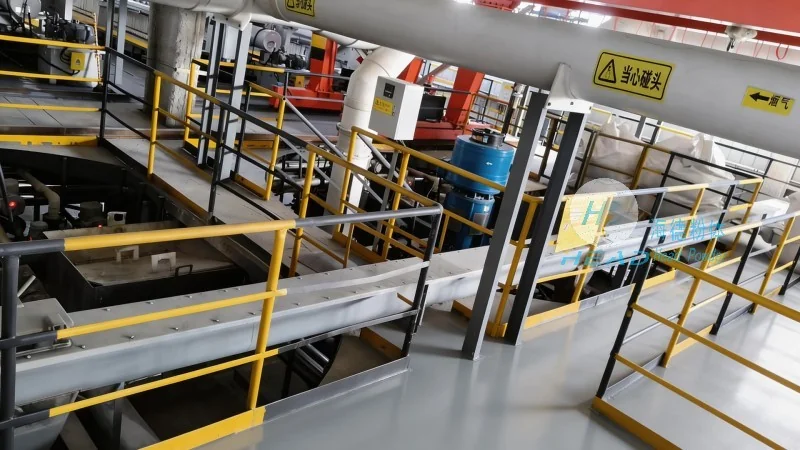
Vertical lift conveyors are specifically designed for transporting polyethylene pellets vertically, often used to move material from lower to higher levels in a production facility. These systems use a series of buckets or a belt that moves vertically, allowing for efficient vertical transport without the need for additional horizontal space. Vertical lift conveyors are particularly useful in applications where horizontal space is limited or when the material needs to be elevated to a higher processing unit. The design of these systems ensures gentle handling of the pellets, preventing damage or degradation. Vertical lift conveyors are often integrated with other equipment, such as hoppers and mixers, to create a complete material handling solution. HeadPowder offers advanced vertical lift conveyors that are engineered for polyethylene pellets, providing reliable and efficient vertical transport.
Factors to Consider When Choosing a Polyethylene Pellet Transportation Method
When selecting a transportation method for polyethylene pellets, several factors must be considered to ensure optimal performance and efficiency. The first factor is the distance and layout of the production facility. Short distances may be suitable for screw conveyors, while longer distances may require pneumatic or belt conveyors. The second factor is the volume of material to be transported. High-volume applications may benefit from belt conveyors or multiple screw conveyors working in parallel. The third factor is the need for minimal product degradation. For sensitive applications, pneumatic conveying or vertical lift conveyors may be preferred to avoid excessive friction or impact. The fourth factor is the cost of equipment and maintenance. While pneumatic systems may have higher initial costs, they can be more energy-efficient and require less maintenance compared to other options. Ultimately, the choice of transportation method should be based on a thorough analysis of the specific requirements and constraints of the production process.
Conclusion: Optimizing Polyethylene Pellet Transportation with HeadPowder
Efficient transportation of polyethylene pellets is a critical aspect of modern plastic manufacturing, and choosing the right method is essential to maintain production efficiency and product quality. Whether using screw conveyors, pneumatic systems, belt conveyors, or vertical lift conveyors, each method has its own advantages and is suitable for different applications. HeadPowder, with its expertise in material handling equipment, provides high-quality solutions tailored to the specific needs of polyethylene pellet transportation. By understanding the factors that influence the selection of a transportation method and leveraging the right equipment, businesses can optimize their production processes and achieve better results. With HeadPowder's commitment to quality and innovation, companies can ensure reliable and efficient polyethylene pellet transport, supporting their overall operational success.




