When it comes to handling silica powder in industrial settings, selecting the right conveying method is crucial for efficiency, safety, and cost-effectiveness. Silica powder, with its fine particle size and potential for dust generation, requires specialized equipment to ensure smooth and reliable transport. The choice of conveying system depends on various factors, including the volume of material to be moved, the distance over which it needs to travel, the environment where the operation takes place, and the specific characteristics of the silica powder itself. In this article, we explore the common methods used for silica powder conveying, highlighting their applications, advantages, and considerations.
1. Screw Conveyors: A Reliable Choice for Silica Powder Transport
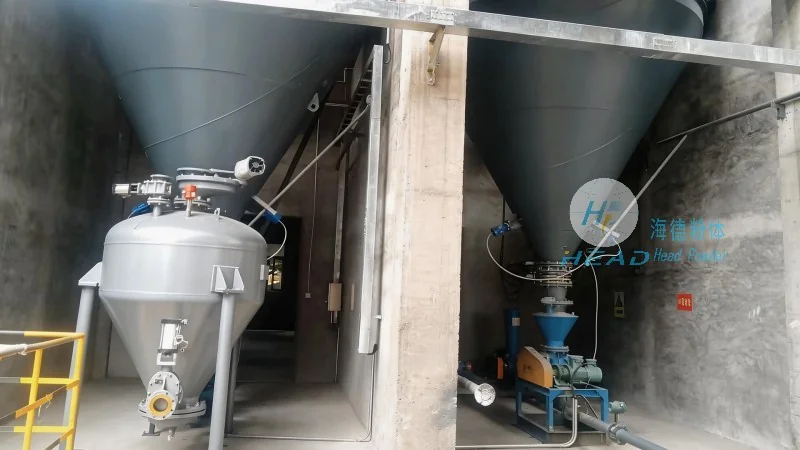
Screw conveyors, also known as auger conveyors, are among the most widely used equipment for transporting bulk materials, including silica powder. These systems consist of a rotating helical screw blade enclosed within a U-shaped or cylindrical trough. As the screw rotates, it pushes the powder forward through the trough, creating a continuous flow. For silica powder, screw conveyors offer several advantages. They are fully enclosed, which helps contain dust and prevent contamination, making them suitable for applications where environmental control is critical. Additionally, they can operate in both horizontal and vertical orientations, allowing for flexible layout designs in industrial facilities. The design of screw conveyors is relatively simple, which contributes to lower maintenance costs and longer service life. However, they are generally more suitable for shorter distances and lower to moderate throughput compared to other methods. Shandong HeadPowder Engineering Co., Ltd. specializes in providing customized screw conveyor solutions tailored to the unique needs of silica powder handling, ensuring optimal performance and durability.
2. Pneumatic Conveying Systems: Efficient Long-Distance Transport
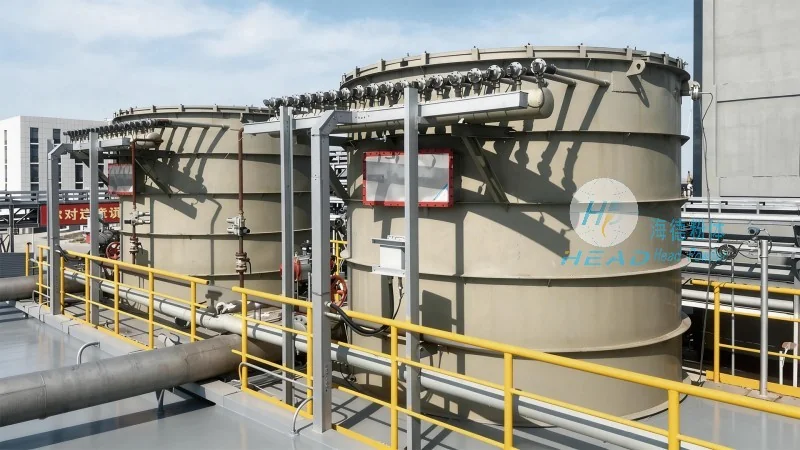
Pneumatic conveying systems use air pressure to transport silica powder through a pipeline network. These systems are particularly effective for long-distance and multi-point conveying, as they can move material over several hundred meters without the need for intermediate transfer points. There are two main types of pneumatic conveyors: pressure and vacuum systems. Pressure systems use compressed air to push the powder forward, while vacuum systems use a vacuum to draw the material into the line. For silica powder, pneumatic conveying offers the benefit of being fully enclosed, which minimizes dust exposure and improves workplace safety. The flexibility of pneumatic systems allows for easy integration with existing production lines and can accommodate changes in the layout or flow requirements. However, they require higher energy input compared to mechanical conveyors, and the system design must be carefully optimized to prevent particle segregation or blockages. Shandong HeadPowder Engineering Co., Ltd. offers advanced pneumatic conveying solutions that are engineered to handle the specific challenges of silica powder, including high-particle concentration and varying particle sizes.
3. Belt Conveyors: High-Volume Bulk Handling Solutions
Belt conveyors are a classic and widely adopted method for transporting large volumes of silica powder, especially in industries such as mining, power generation, and construction. These systems consist of a continuous belt that moves over a series of rollers or idlers, with the powder placed on top of the belt and carried to the destination. Belt conveyors are capable of handling high throughput rates and can cover long horizontal distances with minimal maintenance. They are particularly effective for transporting silica powder from storage silos to processing equipment or for moving material between different stages of a production line. The key advantages of belt conveyors include their high efficiency, low operational cost per tonne of material, and the ability to handle a wide range of particle sizes and moisture contents. However, they require more space than other conveying methods and may not be suitable for vertical or steeply inclined applications. Shandong HeadPowder Engineering Co., Ltd. provides robust belt conveyor systems designed to meet the demands of bulk silica powder handling, ensuring reliable operation and longevity.
4. Bucket Elevators: Vertical Transport for Silica Powder
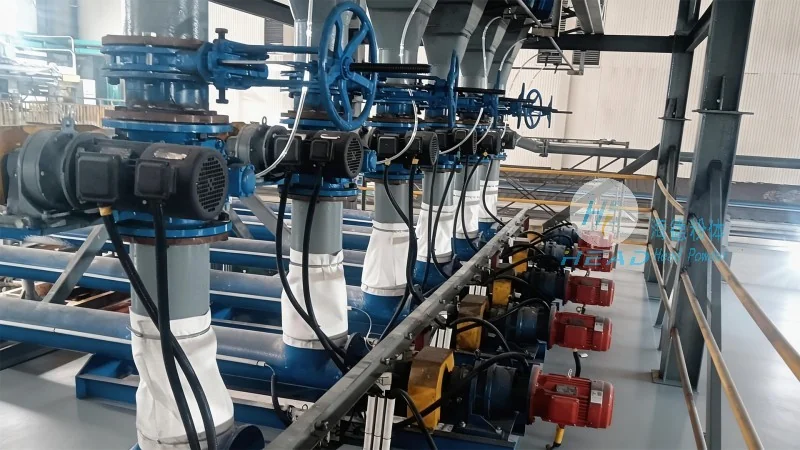
For applications requiring vertical transport of silica powder, bucket elevators are an excellent choice. These systems consist of a vertical or slightly inclined conveyor with a series of buckets attached to a chain or belt. As the buckets move upward, they scoop up the powder and discharge it at the top of the elevator. Bucket elevators are fully enclosed, which helps contain dust and maintain a clean working environment. They are highly efficient for vertical lifting, with the ability to move large quantities of material over significant heights with minimal space requirements. The design of bucket elevators allows for smooth and continuous operation, reducing the risk of material spillage or blockages. However, they are typically more expensive to install and maintain compared to other vertical conveying options, and their capacity is limited by the speed and bucket size. Shandong HeadPowder Engineering Co., Ltd. offers customized bucket elevator solutions that are optimized for vertical silica powder transport, ensuring safe and efficient operation in various industrial settings.




