When it comes to handling iron powder, selecting the right conveying method is crucial for efficiency, cost-effectiveness, and product integrity. Iron powder, with its fine particle size and potential for static charge, requires specialized equipment to ensure smooth and safe transport. This article explores the most common methods used in industrial settings, highlighting their applications, advantages, and considerations for implementation.
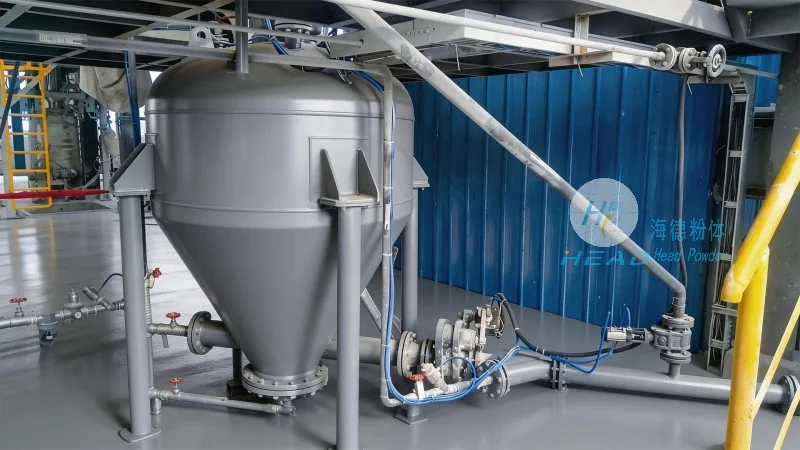
1. Screw Conveyors: A Traditional and Versatile Solution
Screw conveyors, also known as auger conveyors, are among the most widely used systems for iron powder transport. These devices consist of a rotating helical screw inside a trough or tube, which moves material forward through the system. The design is straightforward, making it suitable for horizontal, inclined, or even vertical transport, depending on the configuration. For iron powder, screw conveyors offer several benefits: they can handle a wide range of particle sizes, from fine powders to larger granules, and are effective in preventing material segregation. Additionally, they are relatively low-cost to install and maintain, making them an attractive option for many manufacturers. However, it's important to note that screw conveyors may generate heat due to friction, which could affect the temperature-sensitive properties of some iron powders. Proper insulation and cooling measures are often recommended to mitigate this issue.
2. Pneumatic Conveying: Ideal for Dusty and Hazardous Materials
Pneumatic conveying systems use air or other gases to transport iron powder through a pipeline. This method is particularly advantageous for handling materials that are prone to dust, static, or contamination. There are two main types of pneumatic conveying: pressure and vacuum. Pressure systems push material through the line using compressed air, while vacuum systems draw material into the line using a vacuum pump. For iron powder, pressure systems are often preferred as they can handle larger quantities and longer distances more efficiently. The key advantage of pneumatic conveying is its ability to keep the material enclosed, reducing exposure to the environment and minimizing the risk of dust explosions. This makes it a safe choice for facilities dealing with flammable or hazardous iron powders. However, pneumatic systems require more energy to operate compared to mechanical conveyors, and they may need additional equipment like filters to manage air quality and prevent material buildup in the lines.
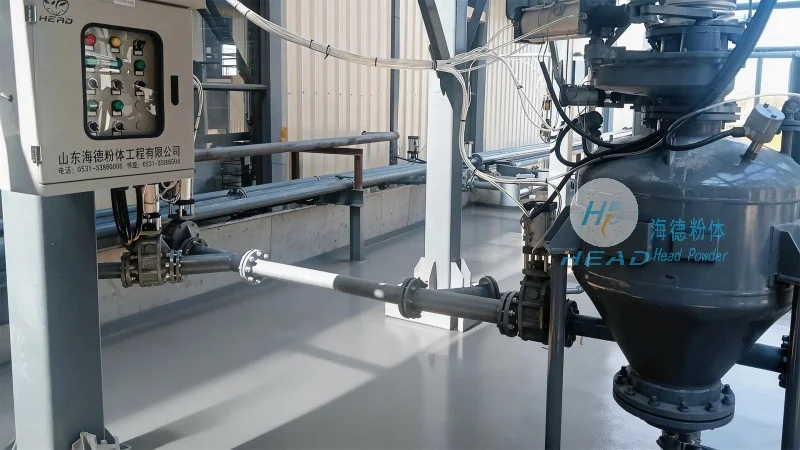
3. Vibratory Conveyors: Gentle Handling for Sensitive Powders
Vibratory conveyors use vibration to move iron powder along a trough or conveyor belt. These systems are designed to provide gentle, low-stress transport, making them ideal for iron powders that are prone to agglomeration or degradation due to excessive impact or friction. The vibration is typically generated by an electric motor with an unbalanced weight, creating a sinusoidal motion that propels the material forward. Vibratory conveyors are effective for both horizontal and inclined transport and can handle a variety of particle sizes. One of the main benefits is their ability to minimize product degradation, which is critical for high-value iron powders used in specialized applications. Additionally, they are relatively quiet and can be integrated into existing production lines without major modifications. However, the design of vibratory conveyors requires careful consideration of the material's properties, as improper vibration settings can lead to material spillage or uneven flow. Proper tuning and maintenance are essential to ensure optimal performance.
4. Belt Conveyors: High-Capacity and Long-Distance Transport
Belt conveyors are another common method for iron powder transport, especially when large volumes need to be moved over long distances. These systems consist of a continuous belt that moves over rollers or pulleys, carrying the material from one point to another. Belt conveyors are highly efficient for horizontal transport and can handle high throughput rates, making them suitable for large-scale industrial operations. The design allows for easy integration with other equipment, such as hoppers and processing units, and can be customized to accommodate different particle sizes and bulk densities. One of the key advantages is their ability to transport iron powder at high speeds with minimal energy consumption compared to other methods. However, belt conveyors may require more space and may not be suitable for vertical or steeply inclined transport. Additionally, they can generate dust and require regular cleaning to prevent material buildup on the belt surface. Proper sealing and maintenance are necessary to maintain efficiency and prevent contamination.
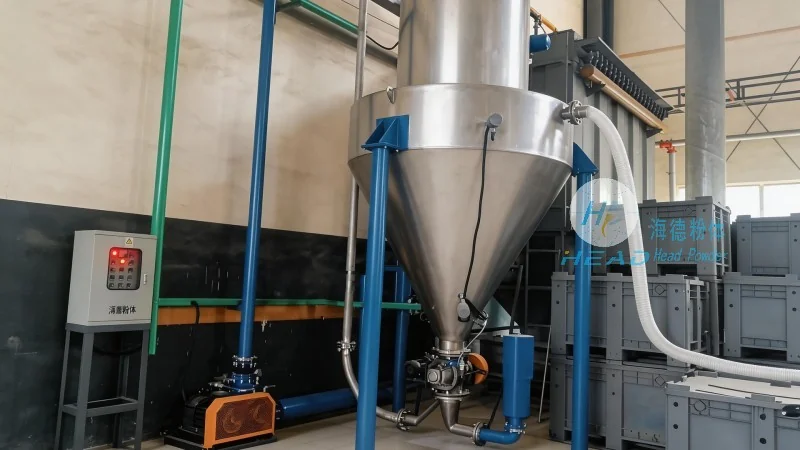
5. Hydraulic Conveying: Advanced Solutions for Specialized Needs
Hydraulic conveying systems use a liquid medium, typically water or a specialized fluid, to transport iron powder through a pipeline. This method is particularly useful for handling very fine or cohesive powders that are difficult to move with other systems. The liquid acts as a carrier, suspending the powder particles and allowing them to be transported at high velocities. Hydraulic conveying is often used in applications where high pressure and long distances are required, such as in mining or large-scale industrial plants. The main advantage is its ability to handle extremely fine iron powders without clogging the system, as the liquid helps maintain particle suspension. However, hydraulic systems are more complex and require specialized equipment, including pumps and filters, to manage the liquid and prevent contamination. They also consume more energy compared to pneumatic or mechanical systems and may need additional treatment to return the liquid to a usable state after use.
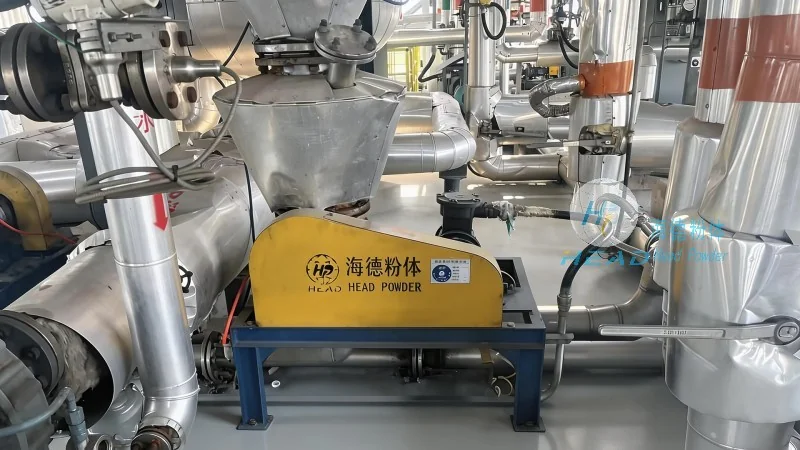
Choosing the Right Conveying Method for Iron Powder
Selecting the appropriate iron powder conveying method depends on several factors, including the material's properties, the required transport distance, the desired throughput, and the available budget. It's essential to consider the specific characteristics of the iron powder, such as particle size, moisture content, and potential for static charge, as these can significantly impact the performance of different systems. For example, if the iron powder is highly fine and prone to dust, pneumatic or hydraulic conveying may be more suitable than screw or belt systems. Conversely, if the material is larger and less abrasive, a screw or belt conveyor might be more cost-effective. Additionally, the layout of the facility and the need for integration with other equipment should be taken into account. Consulting with a specialized conveyor manufacturer, such as Shandong HeadPowder Engineering Co., Ltd., can provide valuable insights into the best solution for a particular application. The company, known as HeadPowder, offers a range of custom-designed conveying systems tailored to the unique needs of iron powder handling, ensuring optimal performance and reliability.
Conclusion
In conclusion, iron powder conveying methods vary widely, each with its own set of advantages and limitations. Screw conveyors offer versatility and cost-effectiveness, while pneumatic systems provide enclosed and safe transport. Vibratory conveyors are gentle on sensitive materials, and belt conveyors excel in high-capacity applications. Hydraulic systems are advanced solutions for specialized needs. The key to successful iron powder handling is selecting the right method based on the specific requirements of the material and the operation. By understanding the properties of iron powder and the capabilities of different conveying systems, manufacturers can choose the most efficient and reliable solution to meet their production needs. With proper design, installation, and maintenance, these conveying methods can ensure smooth, safe, and cost-effective transport of iron powder in industrial settings.




