Dry material conveying is a critical process in various industrial sectors, including food processing, pharmaceuticals, and chemical manufacturing. The efficient and reliable transport of bulk dry materials from one location to another is essential for maintaining production flow and ensuring product quality. There are several common methods used for dry material conveying, each with its own advantages and applications. This article explores the primary methods employed by industries to handle dry materials effectively, with a focus on solutions provided by Shandong HeadPowder Engineering Co., Ltd., a leading manufacturer of dry material handling equipment.
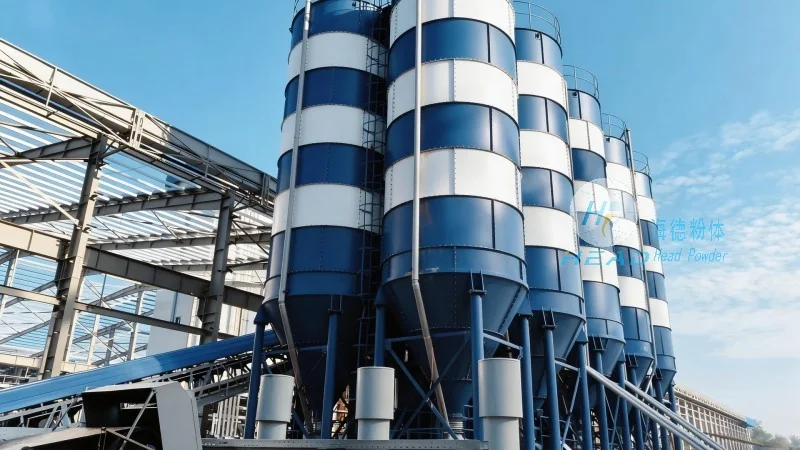
1. Screw Conveyors (Auger Conveyors)
Screw conveyors, also known as auger conveyors, are among the most widely used equipment for dry material handling. These systems consist of a rotating helical screw inside a cylindrical tube, which moves material forward through the tube. The screw's rotation creates a pushing action, allowing materials to be conveyed vertically, horizontally, or at an incline. Screw conveyors are particularly suitable for materials that are free-flowing and non-abrasive, such as grains, powders, and small granules. They offer advantages like compact design, low maintenance, and the ability to handle materials at various temperatures. For example, in the food industry, screw conveyors are commonly used to transport flour, sugar, and other dry ingredients from storage bins to processing lines. The design of screw conveyors can be customized to accommodate different material characteristics, including the use of special coatings or liners to prevent material buildup or corrosion. Shandong HeadPowder Engineering Co., Ltd. offers a range of screw conveyor models tailored to specific industrial needs, ensuring optimal performance and durability.
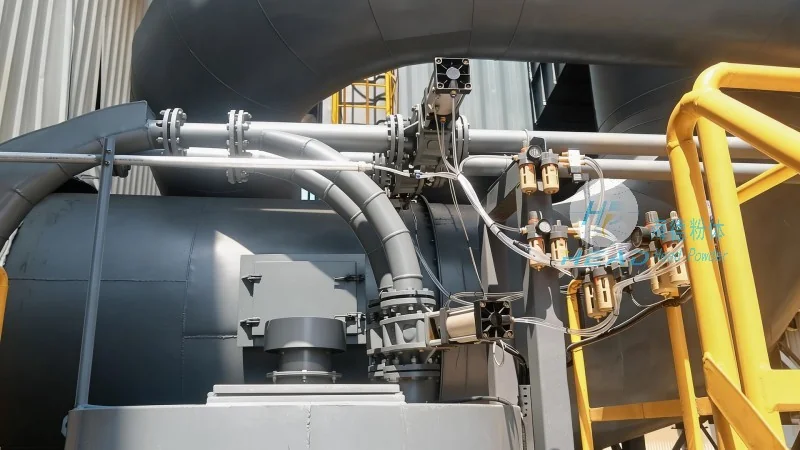
2. Pneumatic Conveying Systems
Pneumatic conveying systems use air or other gases to transport dry materials through a pipeline. This method is ideal for materials that are dusty, fine, or require a closed system to prevent contamination or environmental issues. There are two main types of pneumatic conveying: pressure and vacuum systems. Pressure systems use compressed air to push material through the pipeline, while vacuum systems use a vacuum to draw material into the system. Pneumatic conveying is commonly used in industries like pharmaceuticals, where material purity is paramount, and in chemical processing for transporting powders and granules. The system typically includes a hopper, a blower or vacuum pump, and a pipeline network. The choice between pressure and vacuum depends on the material's properties, such as its density and flowability, as well as the distance and height of the conveying route. Pneumatic conveying offers benefits like high capacity, minimal product degradation, and the ability to handle materials in a closed environment, reducing dust and contamination risks. Shandong HeadPowder Engineering Co., Ltd. specializes in designing and manufacturing pneumatic conveying systems that meet stringent industry standards, ensuring reliable and efficient material transport.
3. Belt Conveyors
Belt conveyors are another common method for dry material conveying, especially in applications requiring long-distance transport or heavy loads. These systems consist of a continuous belt that moves over rollers or pulleys, carrying the material from one point to another. Belt conveyors are versatile and can handle a wide range of materials, including bulk solids, granules, and even some liquids when combined with special belts. They are widely used in mining, construction, and manufacturing industries for transporting raw materials, finished products, and waste. The design of belt conveyors can be customized with different belt materials, such as rubber or plastic, to suit the material's characteristics. For example, in the mining industry, belt conveyors are used to transport coal or ore from the mine to processing facilities. The speed and inclination of the conveyor can be adjusted to optimize material flow and prevent material spillage. Belt conveyors offer advantages like high capacity, low maintenance, and the ability to transport materials over long distances with minimal energy consumption. Shandong HeadPowder Engineering Co., Ltd. provides high-quality belt conveyor systems that are durable and efficient, suitable for various industrial applications.
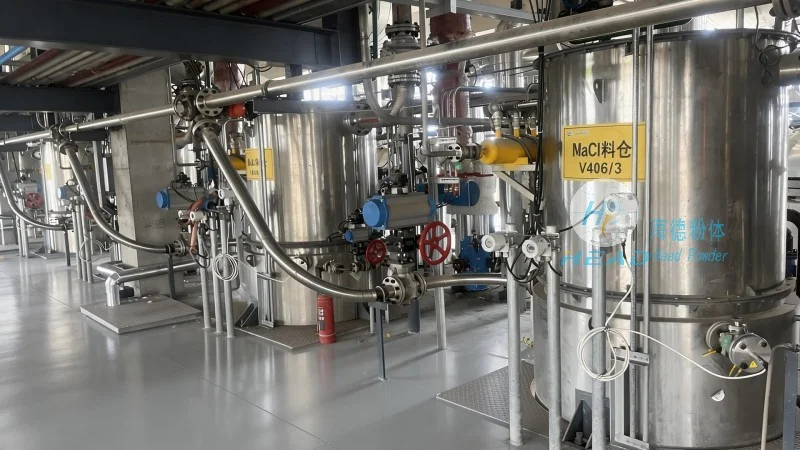
4. Bucket Elevators
Bucket elevators are a type of vertical conveyor system used to lift dry materials from lower to higher levels. These systems consist of a series of buckets attached to a chain or belt, which moves vertically within a casing. The buckets scoop up material at the bottom and release it at the top, allowing for efficient vertical transport. Bucket elevators are commonly used in industries such as agriculture, food processing, and chemical manufacturing, where materials need to be lifted to elevated storage or processing areas. They are particularly suitable for materials that are free-flowing and non-abrasive, such as grains, seeds, and powders. The design of bucket elevators can be customized with different bucket sizes and spacing to accommodate various material characteristics. For example, in a grain processing plant, bucket elevators are used to lift wheat or corn from storage silos to processing lines. The speed and capacity of the elevator can be adjusted to match the production requirements. Bucket elevators offer advantages like high vertical lifting capacity, low space requirement, and the ability to handle materials with minimal degradation. Shandong HeadPowder Engineering Co., Ltd. manufactures reliable bucket elevators that ensure smooth and consistent material transport in vertical applications.




