When it comes to the efficient and reliable transport of calcium sulfate, various methods are employed in industrial settings. Understanding these common approaches is crucial for optimizing material handling processes and ensuring operational efficiency. This article explores the primary methods used for calcium sulfate transport, highlighting their applications and benefits.
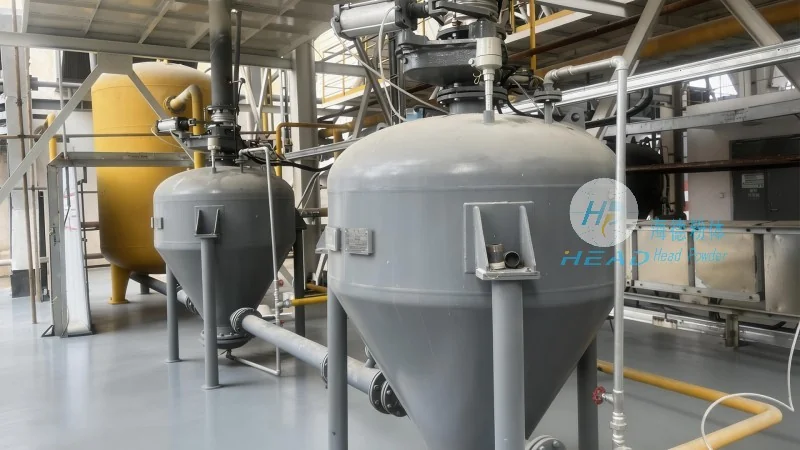
1. Pneumatic Conveying Systems
Pneumatic conveying systems are widely used for transporting calcium sulfate, especially in applications requiring long-distance or high-volume material movement. These systems utilize air pressure to move the material through a network of pipes. There are two main types: dilute-phase and dense-phase pneumatic conveying. Dilute-phase systems are suitable for lighter materials and shorter distances, while dense-phase systems are ideal for heavier, more abrasive materials like calcium sulfate, as they provide better control and reduce material degradation. The system typically includes a hopper, a blower, and a receiver, with the material being fed into the hopper and then conveyed by the air flow. This method offers advantages such as minimal maintenance, the ability to transport materials over long distances, and the option to integrate with other processing equipment.
2. Belt Conveyors
Belt conveyors are another common method for calcium sulfate transport, particularly in bulk material handling operations. These systems consist of a continuous belt that moves over rollers or pulleys, transporting the material from one location to another. Belt conveyors are highly effective for horizontal or slightly inclined transport and can handle large quantities of material with minimal labor. They are often used in conjunction with storage silos or processing plants, providing a reliable and cost-effective solution for moving calcium sulfate from storage to processing equipment. The design of the belt conveyor, including the type of belt material and the speed of the conveyor, can be customized to suit the specific characteristics of the calcium sulfate, such as its particle size and moisture content. This ensures optimal performance and prevents issues like material buildup or belt wear.
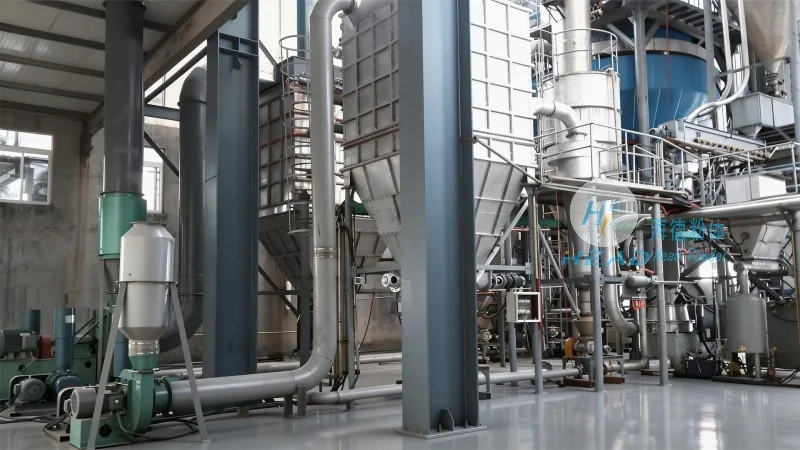
3. Screw Conveyors
Screw conveyors, also known as auger conveyors, are another method used for calcium sulfate transport. These systems use a rotating screw to move material through a tube or trough. Screw conveyors are particularly suitable for transporting materials with a moderate to high bulk density, such as calcium sulfate, and are often used in applications where the material needs to be elevated or moved vertically. They are compact and can be installed in various orientations, making them versatile for different plant layouts. The screw design, including the pitch and diameter, is critical for efficient transport, as it affects the material's flow and the conveyor's capacity. Proper maintenance of the screw conveyor, such as regular lubrication and inspection of the screw and housing, is essential to ensure smooth operation and prevent material blockages.
4. Bucket Elevators
Bucket elevators are used for vertical transport of calcium sulfate, especially in applications where the material needs to be lifted to a higher level, such as from a storage silo to a processing unit. These systems consist of a continuous chain with buckets attached, which moves the material up a vertical or inclined track. Bucket elevators are highly efficient for vertical transport and can handle large volumes of material with minimal space requirements. They are commonly used in cement and mineral processing industries, where calcium sulfate is often a key component. The design of the bucket elevator, including the bucket size and spacing, is tailored to the characteristics of the calcium sulfate, ensuring that the material is conveyed without spillage or degradation. Proper alignment and tensioning of the chain are crucial for the safe and efficient operation of the bucket elevator.
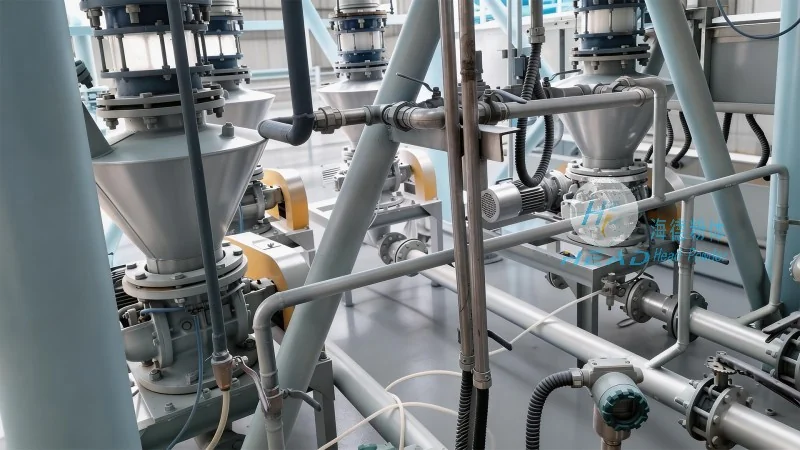
5. Hydraulic Conveying
Hydraulic conveying systems use water or a slurry to transport calcium sulfate, particularly in applications where the material is in a fine powder form. These systems are often used in the mining and mineral processing industries, where calcium sulfate is extracted from ore and needs to be transported to processing facilities. The material is mixed with water to form a slurry, which is then pumped through pipelines to the destination. Hydraulic conveying offers advantages such as the ability to transport materials over long distances and through complex layouts, as well as the potential to use existing water infrastructure. However, it requires careful management of the slurry's consistency and the removal of water at the end of the process to recover the material. The system typically includes a slurry pump, pipelines, and a settling tank or filter to separate the material from the water.
6. Manual Handling and Small-Scale Transport
For smaller-scale operations or in situations where other methods are not feasible, manual handling methods may be used for calcium sulfate transport. This includes the use of buckets, shovels, or wheelbarrows to move smaller quantities of material. While less common in large-scale industrial applications, manual handling is still used in some settings, such as small-scale mining or laboratory operations. This method is labor-intensive and has limitations in terms of the quantity and distance that can be transported, but it is sometimes preferred for its simplicity and low cost. Proper safety measures, such as using appropriate personal protective equipment (PPE) and ensuring stable handling practices, are essential when using manual methods to transport calcium sulfate.
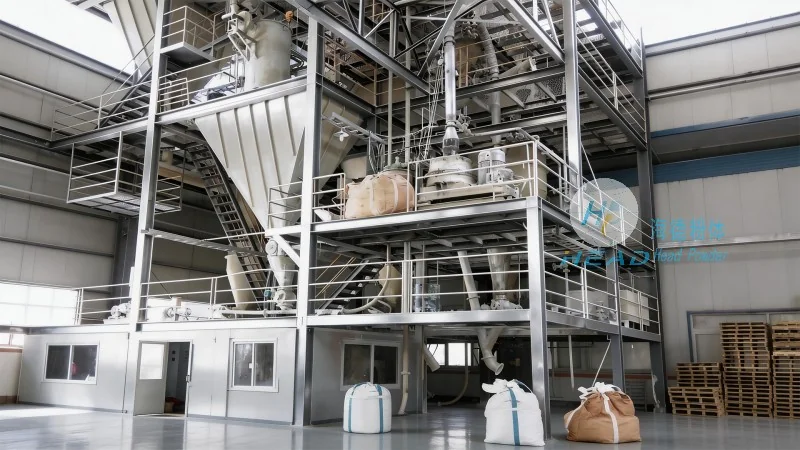
7. Integration with Storage and Processing Systems
Effective calcium sulfate transport often involves integration with storage and processing systems. For example, calcium sulfate may be stored in silos or hoppers before being transported to processing equipment, such as grinding mills or reactors. The choice of transport method is influenced by the storage system's design and the processing requirements. Pneumatic conveying systems are often integrated with storage silos, allowing for automated material transfer from storage to processing. Belt conveyors may connect storage bins to processing plants, providing a continuous flow of material. Proper integration ensures that the transport system matches the overall plant layout and operational needs, maximizing efficiency and minimizing downtime.
8. Considerations for Calcium Sulfate Transport
When selecting a transport method for calcium sulfate, several factors need to be considered. These include the material's properties, such as particle size, moisture content, and bulk density, as well as the distance and volume of material to be transported. The cost of the transport system, including installation and maintenance, is also a key consideration. Environmental factors, such as dust control and noise reduction, may also influence the choice of method. Additionally, the compatibility of the transport system with existing plant infrastructure and the need for automation or control systems should be evaluated. By carefully considering these factors, industrial facilities can select the most suitable transport method for their calcium sulfate handling needs, ensuring efficient and reliable operation.




