When it comes to the efficient handling and transportation of malt in the brewing industry, selecting the right conveying method is crucial for maintaining product quality and operational efficiency. As a leading provider in the field, Shandong HeadPowder Engineering Co., Ltd. specializes in solutions tailored to meet the diverse needs of breweries worldwide. This article explores the common methods used for malt conveying, highlighting the key considerations and applications for each approach.
Gravity Conveying Systems
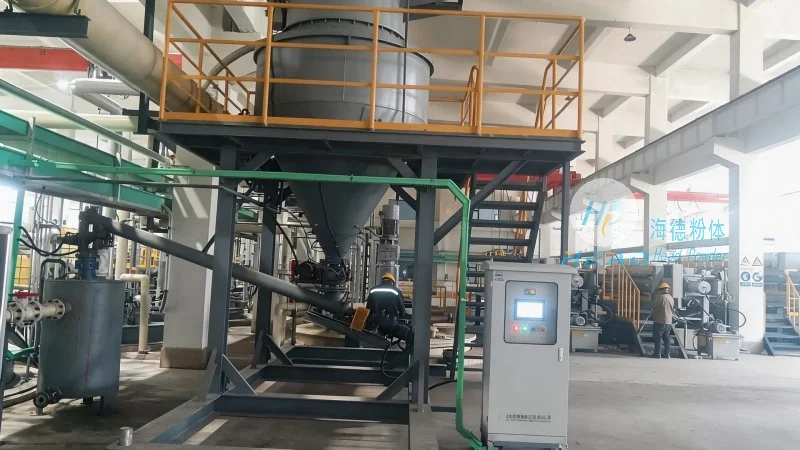
Gravity conveying systems utilize the natural force of gravity to move malt from one point to another, typically through a series of inclined chutes or troughs. This method is often employed for short to medium distances and is particularly effective when the elevation change is sufficient to facilitate smooth flow. The primary advantage of gravity conveying is its simplicity and low energy consumption, as it does not require external power sources. However, it is limited by the need for a suitable slope and may not be suitable for large volumes or steep inclines. At HeadPowder, we design gravity systems that ensure minimal product degradation while maintaining consistent flow rates, making them ideal for breweries with existing infrastructure that can accommodate the required elevation changes.
Pneumatic Conveying
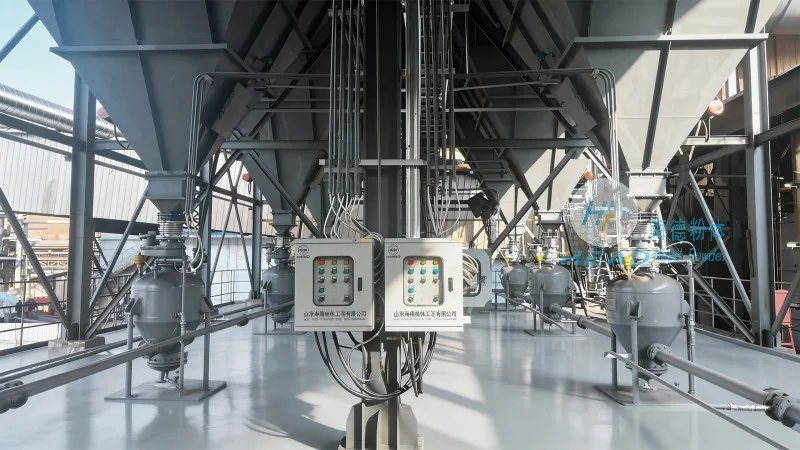
Pneumatic conveying systems use air or gas to transport malt in a closed pipeline system. This method is highly versatile and can handle both dry and moist malt, making it suitable for a wide range of applications. There are two main types of pneumatic conveying: dilute phase and dense phase. Dilute phase systems use high-velocity air to create a cloud of particles, while dense phase systems use lower air velocities to move material in a more concentrated form. The choice between these methods depends on factors such as distance, volume, and product characteristics. Pneumatic conveying offers advantages like the ability to transport malt over long distances and through vertical lifts, as well as the option to integrate with other processing equipment. However, it requires careful control of air pressure and flow rates to prevent product degradation and ensure efficient operation. HeadPowder engineers pneumatic systems that optimize air usage and minimize energy costs, ensuring reliable performance for breweries of all sizes.
Mechanical Conveying Equipment
Mechanical conveying equipment includes various types of machinery designed to move malt through mechanical action. Common examples include belt conveyors, screw conveyors, and bucket elevators. Belt conveyors use a continuous belt to transport malt horizontally or at a slight incline, making them suitable for long-distance horizontal transport. Screw conveyors, also known as augers, use a rotating screw to push malt forward, ideal for vertical or inclined transport. Bucket elevators use a series of buckets attached to a chain or belt to lift malt vertically, often used in combination with other conveying systems. The choice of mechanical equipment depends on factors such as the volume of malt, the distance to be covered, and the need for vertical or horizontal transport. Mechanical conveyors offer the advantage of being able to handle a wide range of malt types and volumes, with the ability to integrate with other processing steps. However, they may require more maintenance and energy compared to gravity or pneumatic systems. HeadPowder provides a range of mechanical conveying solutions that are durable, efficient, and tailored to the specific requirements of each brewery, ensuring reliable and consistent performance.
Hybrid Conveying Systems
Hybrid conveying systems combine two or more of the above methods to leverage their individual advantages. For example, a system might use gravity to move malt over short distances and then switch to a mechanical conveyor for vertical transport. This approach allows for greater flexibility and can optimize energy usage by selecting the most appropriate method for each segment of the conveying process. Hybrid systems are particularly useful in complex brewery layouts where multiple transport requirements exist. At HeadPowder, we design hybrid solutions that integrate seamlessly with existing infrastructure, ensuring smooth transitions between different conveying methods and maximizing overall efficiency. By combining the simplicity of gravity with the versatility of mechanical or pneumatic systems, hybrid conveyors provide a balanced approach to malt handling, catering to the diverse needs of modern breweries.
Key Considerations for Choosing a Malt Conveying Method
When selecting a malt conveying method, several factors must be considered to ensure optimal performance and product quality. The first consideration is the distance and elevation change required for transport. Gravity systems are best suited for short distances with sufficient elevation, while pneumatic and mechanical systems are more suitable for longer distances or complex layouts. The volume of malt to be transported is another critical factor, as larger volumes may require more robust equipment. Additionally, the physical characteristics of the malt, such as moisture content and particle size, can impact the choice of system. For example, moist or sticky malt may require pneumatic systems with specialized filters or mechanical conveyors with lubricated components to prevent clogging. Energy efficiency is also a key consideration, as breweries aim to minimize operational costs. Finally, the integration with existing brewery equipment and the need for maintenance and reliability should be evaluated. By carefully assessing these factors, breweries can select the most appropriate malt conveying method that meets their specific needs and ensures consistent, high-quality malt handling throughout the production process.
Conclusion
Efficient malt conveying is essential for maintaining the quality and consistency of beer production. The common methods discussed, including gravity, pneumatic, mechanical, and hybrid systems, each offer unique advantages and are suitable for different brewery applications. Shandong HeadPowder Engineering Co., Ltd. specializes in designing and manufacturing tailored malt conveying solutions that address the specific needs of breweries worldwide. Whether you require a simple gravity system for short distances or a complex hybrid system for large-scale operations, HeadPowder provides reliable, efficient, and cost-effective solutions. By partnering with HeadPowder, breweries can ensure optimal malt handling, reduce operational costs, and maintain the highest standards of product quality. Contact us today to learn more about our malt conveying systems and how we can help optimize your brewery's operations.




