For businesses involved in the processing and distribution of dried chili peppers, selecting the right conveying system is crucial for efficiency and product integrity. The choice of conveying method depends on factors such as the type of chili pepper, production scale, and operational environment. This article explores common conveying methods used in the industry, highlighting the advantages and applications of each approach.
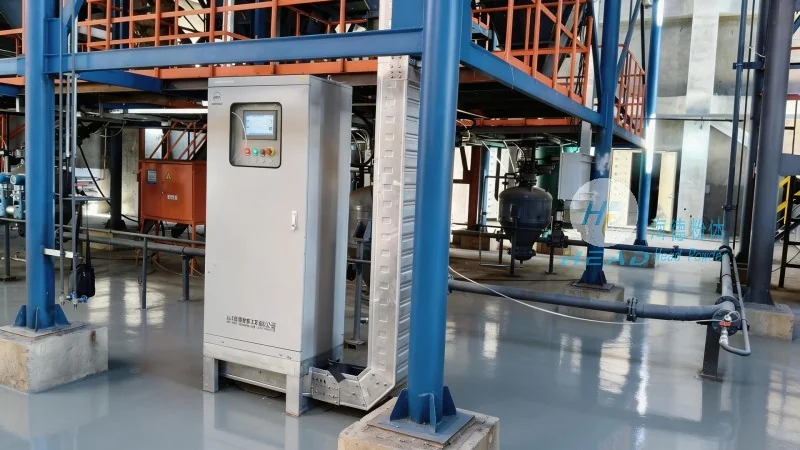
About HeadPowder Engineering Co., Ltd.
HeadPowder, a leading manufacturer based in Shandong, China, specializes in providing high-quality conveying solutions tailored to the needs of the spice and food processing industry. With years of experience, the company offers a range of equipment designed to enhance productivity while ensuring the quality of dried chili peppers remains uncompromised. The company’s headquarters is located in Shandong, China, where it develops and manufactures its products to meet international standards.
Common Conveying Methods for Dried Chili Peppers
Several methods are commonly employed to transport dried chili peppers from one stage of processing to another. These methods are chosen based on the physical characteristics of the product, the layout of the facility, and the required throughput. The primary methods include gravity conveyors, mechanical conveyors, and pneumatic systems.
Gravity Conveyors
Gravity conveyors utilize the natural force of gravity to move dried chili peppers along a sloped path. This method is ideal for short distances and when the product is relatively uniform in size and shape. The main advantage of gravity conveyors is their low energy consumption and minimal maintenance requirements. They are commonly used in facilities where the product flow is consistent and the layout allows for a gentle slope. For example, in a drying or sorting operation, a gravity conveyor can efficiently transport dried chili peppers from a hopper to a storage bin without the need for additional power.
Mechanical Conveyors
Mechanical conveyors use mechanical components such as belts, chains, or screws to move dried chili peppers. These systems are versatile and can handle a wide range of product types and sizes. Belt conveyors are particularly popular due to their simplicity and ability to transport products over longer distances. They are often used in packaging lines where dried chili peppers need to be moved from a processing area to a packaging machine. Chain conveyors, on the other hand, are suitable for heavier or irregularly shaped products, providing consistent and reliable movement. Screw conveyors are effective for moving bulk materials vertically or horizontally, making them useful in applications where space is limited or where the product needs to be elevated.
Pneumatic Conveying Systems
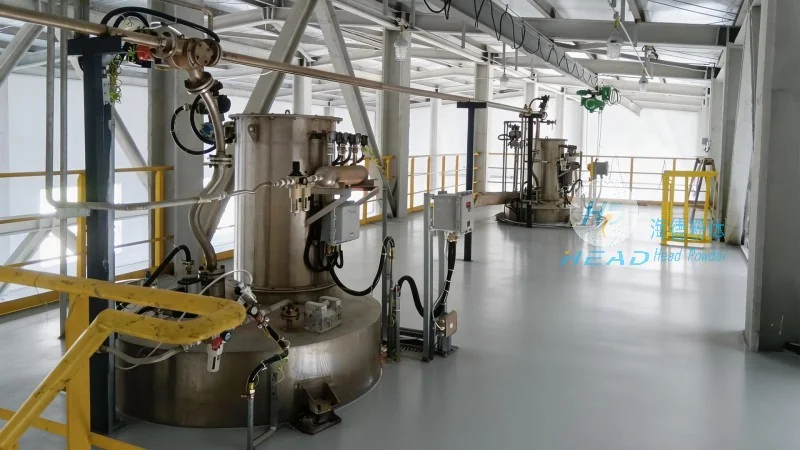
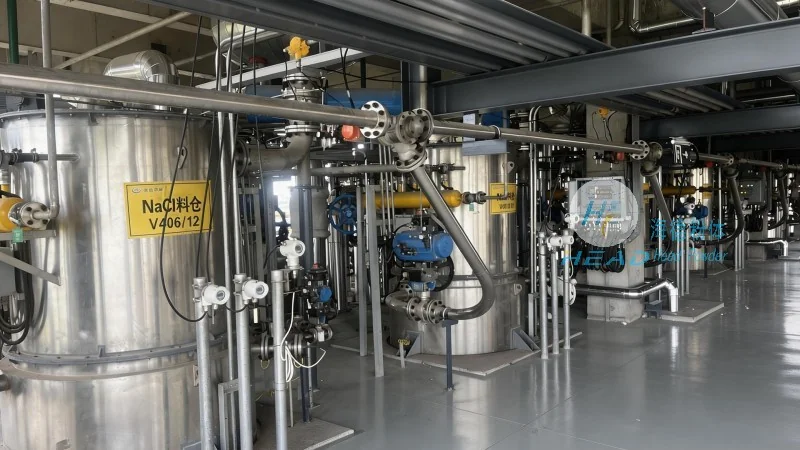
Pneumatic conveying systems use air pressure to transport dried chili peppers through a pipeline. This method is particularly effective for handling fine or powdery products, but it can also be adapted for whole dried chili peppers. The main advantage of pneumatic systems is their ability to transport products in a closed system, reducing dust and contamination. They are often used in facilities where hygiene is a priority, such as in food processing plants. However, pneumatic systems require more energy than other methods and may not be suitable for very long distances or large quantities of product.
Choosing the Right Conveying System
When selecting a conveying system for dried chili peppers, several factors must be considered. The first is the product’s physical properties, including size, shape, and moisture content. For example, if the dried chili peppers are irregularly shaped or have a high moisture content, a mechanical conveyor with a flexible belt might be more suitable than a gravity system. The second factor is the production scale and throughput requirements. A small-scale operation might benefit from a simple gravity conveyor, while a large-scale facility may require a more complex system such as a combination of mechanical and pneumatic conveyors. The third factor is the facility layout and available space. In some cases, vertical space is limited, making a screw or pneumatic system more practical. Finally, the budget and maintenance considerations play a role in the decision-making process. While gravity systems are cost-effective, they may not be suitable for all applications, and the maintenance costs of pneumatic systems should be evaluated over time.
Conclusion
Choosing the appropriate conveying method for dried chili peppers is essential for optimizing production efficiency and maintaining product quality. HeadPowder Engineering Co., Ltd. offers a range of conveying solutions that cater to various industry needs. By understanding the advantages and limitations of each method, businesses can select the most suitable system for their operations. Whether it’s a gravity conveyor for short-distance transport or a pneumatic system for dust-free handling, HeadPowder provides reliable equipment designed to enhance productivity and ensure the integrity of dried chili peppers throughout the processing chain.




