Wheat bran, a byproduct of the milling process, requires efficient and reliable conveying systems to ensure smooth material handling in industrial settings. The choice of conveying method for wheat bran depends on several factors, including the volume of material, the distance to be conveyed, the required speed, and the overall system design. This article explores various methods commonly employed for wheat bran conveying, highlighting their advantages, applications, and suitability for different industrial scenarios. As a leading provider of material handling solutions, Shandong HeadPowder Engineering Co., Ltd. specializes in designing and implementing customized conveying systems tailored to the specific needs of industrial clients.
1. Screw Conveyors for Wheat Bran Transport
Screw conveyors, also known as auger conveyors, are among the most widely used equipment for transporting wheat bran. These systems consist of a rotating helical screw inside a cylindrical tube, which moves material forward through the rotation. Screw conveyors are particularly effective for handling granular materials like wheat bran, as they can transport materials both horizontally and at a slight incline. The design allows for a compact footprint, making them suitable for spaces with limited room. Additionally, screw conveyors can be easily integrated into existing processing lines, providing a flexible solution for conveying wheat bran from storage bins to processing units or packaging areas. The smooth operation and low maintenance requirements of screw conveyors make them a popular choice for continuous wheat bran handling.
2. Pneumatic Conveying Systems for Wheat Bran
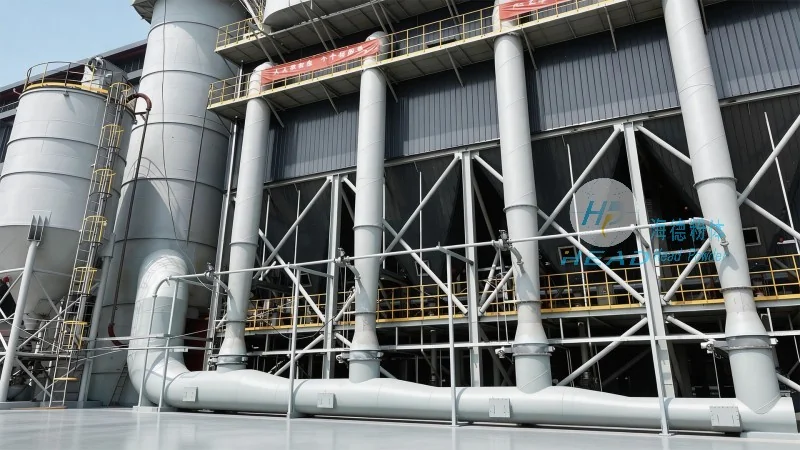
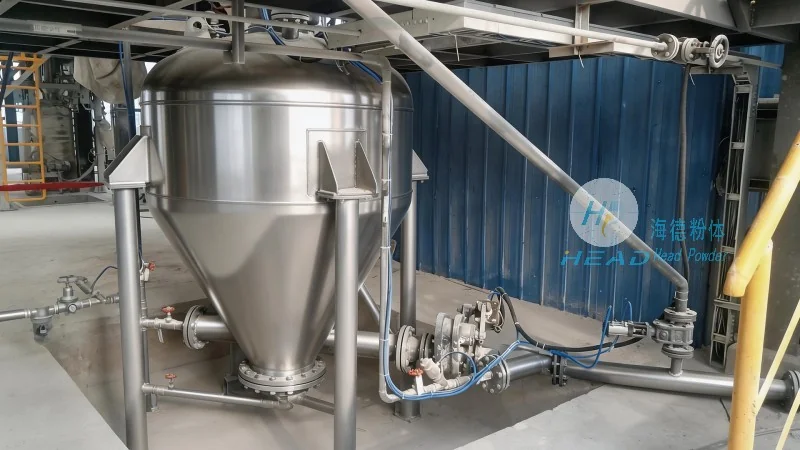
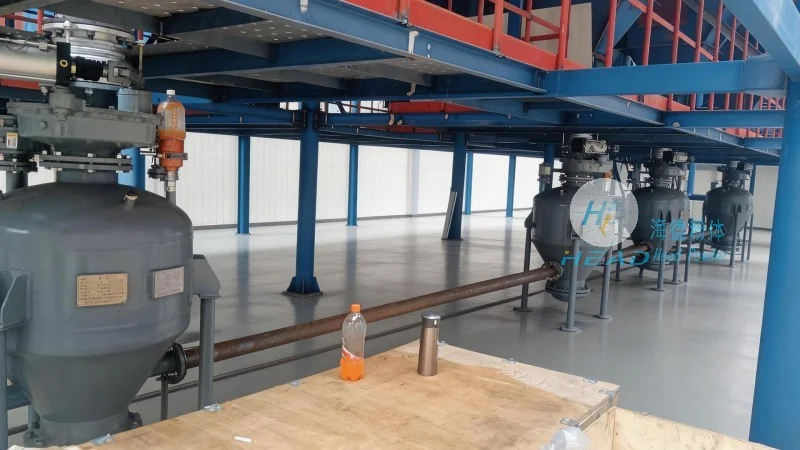
Pneumatic conveying systems utilize air or gas to transport wheat bran through a pipeline network. These systems can be categorized into two main types: pressure and vacuum. Pressure systems use compressed air to push the material forward, while vacuum systems use suction to draw the material into the pipeline. Pneumatic conveying offers several advantages for wheat bran transport, including the ability to handle materials over longer distances and through multiple points of transfer. This method is particularly useful when the conveying route involves vertical lifts or complex routing. Pneumatic systems are also effective at controlling dust and preventing material contamination, which is crucial for maintaining product quality in food processing applications. However, the initial investment and energy consumption of pneumatic systems may be higher compared to mechanical conveyors, and they require regular maintenance to ensure optimal performance.
3. Belt Conveyors in Wheat Bran Conveying
Belt conveyors are another common option for wheat bran conveying, especially in applications requiring the transport of larger volumes or bulk materials. These systems consist of a continuous belt that moves over rollers or pulleys, transporting the material from one location to another. Belt conveyors are highly efficient for horizontal and slightly inclined transport and can handle a wide range of material types, including wheat bran. They are often used in combination with other equipment, such as hoppers or feeders, to create a complete conveying system. The design allows for easy integration with automated processes, making them suitable for high-volume production lines. Belt conveyors are known for their durability and low maintenance, though they may require more space compared to other conveyor types. Their ability to handle heavy loads and maintain consistent speed makes them a reliable choice for industrial wheat bran handling.
4. Bucket Elevators for Vertical Wheat Bran Transport
For applications that require vertical transport of wheat bran, bucket elevators are an excellent solution. These systems consist of a vertical or inclined conveyor with buckets attached to a chain or belt, which lifts the material upward. Bucket elevators are highly efficient at moving materials vertically over significant heights, making them ideal for transferring wheat bran from lower storage levels to upper processing areas. The design ensures minimal material spillage and loss, which is important for maintaining product integrity. Bucket elevators are also capable of handling a wide range of material sizes and densities, including wheat bran. They are often used in combination with other conveying equipment to create a complete material handling system. The robust construction and high capacity of bucket elevators make them suitable for continuous and high-volume operations in industrial settings.
5. Combination Conveying Systems for Wheat Bran
In many industrial applications, a single conveying method may not be sufficient to meet all the requirements of wheat bran transport. Therefore, combination systems that integrate multiple types of conveyors are often employed. For example, a system might use a screw conveyor to transport wheat bran horizontally from a storage bin to a belt conveyor, which then moves the material to a bucket elevator for vertical transport. This integrated approach allows for efficient material handling over complex routes, including multiple horizontal and vertical transfers. Combination systems offer flexibility and adaptability, enabling the handling of varying material volumes and processing needs. They are particularly useful in large-scale food processing facilities where the flow of wheat bran needs to be managed across different stages of production. The use of combination systems can improve overall operational efficiency and reduce downtime by ensuring smooth material transfer between processing units.
6. Factors to Consider When Choosing a Wheat Bran Conveying Method
When selecting a conveying method for wheat bran, several key factors must be considered to ensure optimal performance and efficiency. The first factor is the volume of material to be transported. High-volume applications may require larger and more powerful conveyors, such as belt conveyors or pneumatic systems, while low-volume needs might be better served by screw conveyors or bucket elevators. The distance and route of the conveying system are also critical. Longer distances or complex routes may necessitate pneumatic or combination systems, whereas shorter horizontal distances can be handled by screw or belt conveyors. The required speed of material transport is another important consideration. Some processes may demand high-speed conveying to maintain production throughput, while others may require slower, more controlled movement to prevent material degradation. Additionally, the physical properties of wheat bran, such as its moisture content, particle size, and flowability, influence the choice of conveyor. Materials with high moisture content or poor flowability may require specialized equipment like pneumatic systems or belt conveyors with appropriate feed mechanisms. Finally, the overall system cost, including initial investment, energy consumption, and maintenance requirements, plays a significant role in the decision-making process. Balancing these factors helps in selecting the most suitable conveying method for specific wheat bran handling applications.
7. Maintenance and Operational Considerations for Wheat Bran Conveyors
Proper maintenance and operational practices are essential to ensure the longevity and efficiency of wheat bran conveying systems. Regular inspection and maintenance of conveyor components, such as screws, belts, and buckets, are crucial to prevent breakdowns and ensure smooth operation. For screw conveyors, checking the condition of the helical screw and the integrity of the casing is important to avoid material blockages or damage. Belt conveyors require regular tension checks and cleaning to maintain optimal performance and prevent material buildup. Pneumatic systems need to be inspected for air leaks and filter maintenance to ensure consistent air pressure and material transport. Bucket elevators should be checked for bucket wear and chain tension to prevent material spillage and ensure safe operation. Additionally, cleaning and sanitation procedures are vital in food processing applications to maintain hygiene standards and prevent contamination. Implementing a preventive maintenance schedule, including routine inspections, lubrication, and component replacement, can significantly reduce downtime and extend the lifespan of the conveying equipment. Proper training of operators on the correct operation and maintenance of the systems also contributes to efficient and safe wheat bran handling.
8. Conclusion: Selecting the Right Wheat Bran Conveying Method
Choosing the appropriate wheat bran conveying method is a critical decision for industrial operations, as it directly impacts the efficiency, cost, and quality of material handling. Each method has its unique advantages and is suitable for different applications. Screw conveyors offer simplicity and compactness for horizontal transport, while pneumatic systems excel at long-distance and complex routing. Belt conveyors are ideal for high-volume bulk transport, and bucket elevators are perfect for vertical lifting. Combination systems provide flexibility and adaptability for complex material flow. The key to selecting the right method lies in understanding the specific requirements of the application, including material volume, distance, speed, and physical properties. By carefully evaluating these factors and considering the operational and maintenance aspects, industrial facilities can choose the most effective conveying solution for their wheat bran handling needs. Ultimately, the goal is to ensure smooth, efficient, and reliable transport of wheat bran, supporting the overall productivity and success of the processing operation.




