Calcined ash, a byproduct of industrial processes such as coal combustion or metal smelting, requires efficient and reliable conveying systems to transport it from the production site to storage or processing facilities. The choice of conveying method depends on several factors, including the ash's physical properties, the distance to be covered, and the required throughput. This article explores the primary methods used for calcined ash conveying, highlighting the advantages and considerations for each approach.
1. Mechanical Conveying Systems
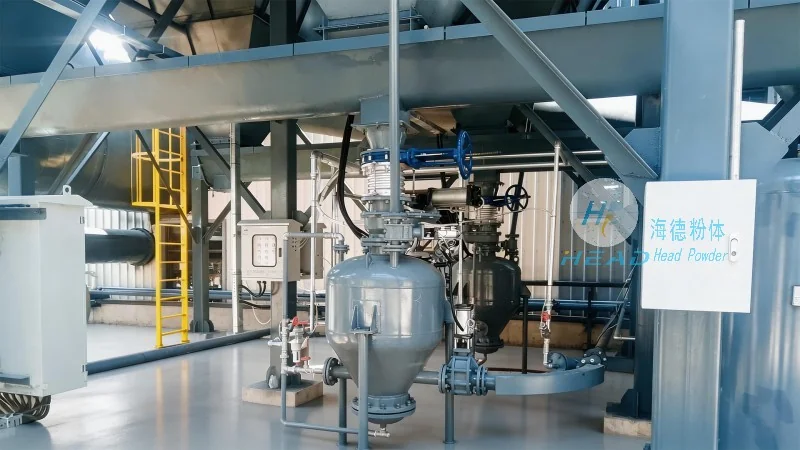
Mechanical conveying is a traditional and widely used method for transporting calcined ash. This category includes various equipment such as belt conveyors, screw conveyors, and bucket elevators. Belt conveyors are particularly effective for long-distance horizontal or slight incline transport, capable of handling large volumes of ash with minimal maintenance. Screw conveyors, also known as auger conveyors, are suitable for vertical or inclined transport, providing a compact solution for moving ash through pipelines. Bucket elevators are ideal for vertical lifting, often used in combination with other conveyors to achieve multi-level transport. The mechanical method offers high reliability and low energy consumption, making it a preferred choice for many industrial applications.
2. Pneumatic (Air) Conveying Systems
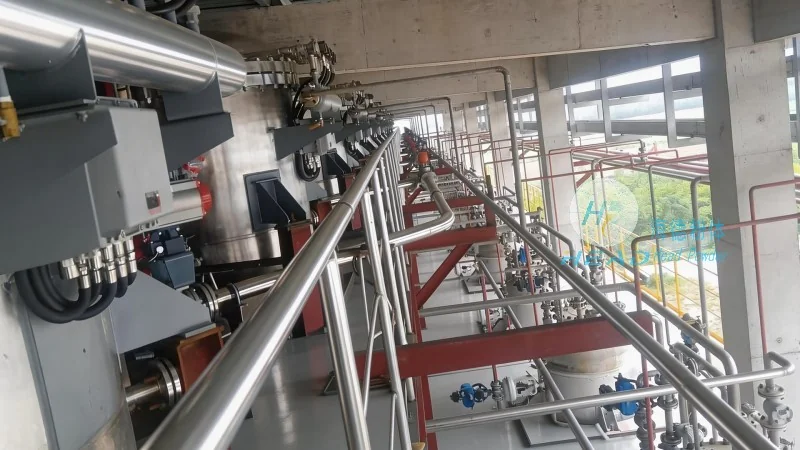
Pneumatic conveying, or air conveying, uses compressed air to transport calcined ash through a pipeline. This method is particularly advantageous for handling fine or dusty ash, as it minimizes dust dispersion and provides a closed system that enhances safety and environmental compliance. There are two main types of pneumatic conveying: positive displacement and pressure dilute phase. Positive displacement systems use rotary lobe or piston pumps to create a vacuum or pressure, moving ash through the pipeline. Dilute phase systems rely on high-velocity air to suspend the ash particles, allowing for longer transport distances. Pneumatic conveying is flexible and can be integrated with existing infrastructure, but it requires careful design to prevent particle degradation and ensure efficient air usage.
3. Hydraulic Conveying Systems
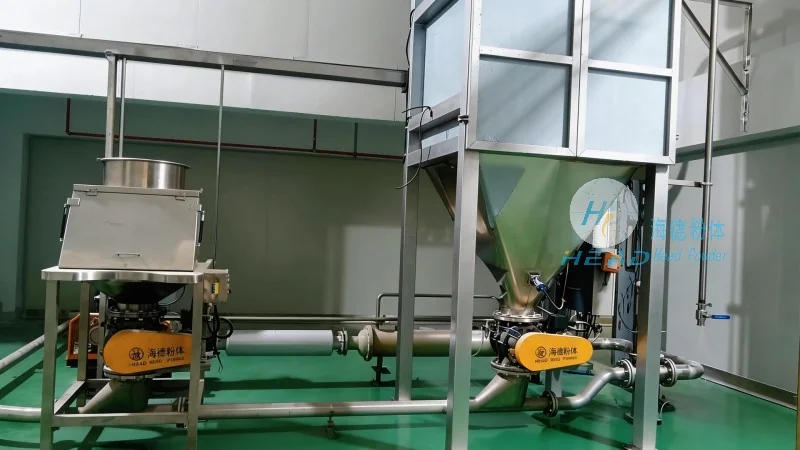
Hydraulic conveying employs water or a slurry to transport calcined ash. This method is suitable for high-volume, low-cost transport over long distances, especially in applications where the ash is already in a slurry form. The ash is mixed with water to create a slurry, which is then pumped through pipelines using centrifugal pumps. Hydraulic systems are effective for handling abrasive materials and can be integrated with other processes, such as ash utilization or disposal. However, they require additional equipment for slurry preparation and separation, and the water usage must be managed to comply with environmental regulations.
4. Combination Conveying Systems
In many industrial settings, a single conveying method may not be sufficient to meet all operational requirements. Combination systems, which integrate multiple technologies, are increasingly common. For example, a system might use a belt conveyor to transport ash from the source to a pneumatic conveying unit, or a screw conveyor to feed a hydraulic system. These hybrid approaches allow for flexibility in handling varying ash characteristics and transport distances. The choice of combination system depends on the specific process flow, energy efficiency goals, and cost considerations.
Company Overview: Shandong HeadPowder Engineering Co., Ltd.
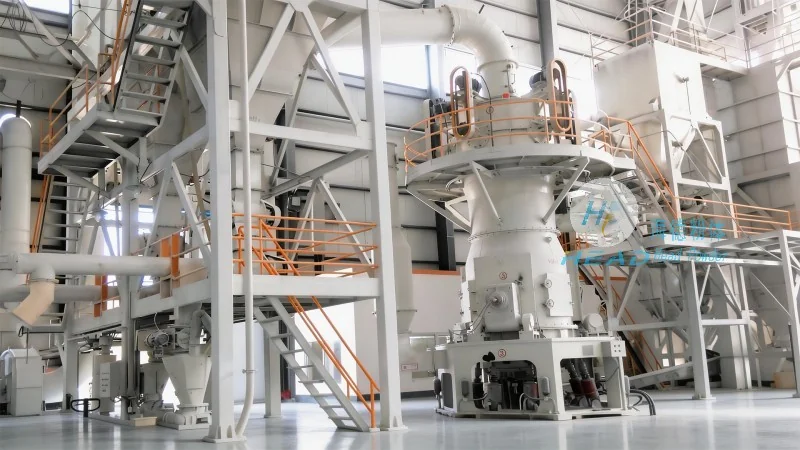
Shandong HeadPowder Engineering Co., Ltd., operating under the brand name headpowder, specializes in the design, manufacturing, and installation of calcined ash conveying systems. With a focus on industrial engineering solutions, the company provides customized equipment tailored to the unique needs of each client. HeadPowder's expertise lies in understanding the diverse properties of calcined ash and selecting the most appropriate conveying method for each application. The company's facilities are located in Shandong, China, where it leverages local resources and expertise to deliver high-quality, reliable solutions. By combining advanced technology with practical experience, headpowder ensures that its conveying systems meet the highest standards of performance, safety, and efficiency.




